Menu

Event and Production Venues near New York, NY

Edit Search

1-20 of 477 listings
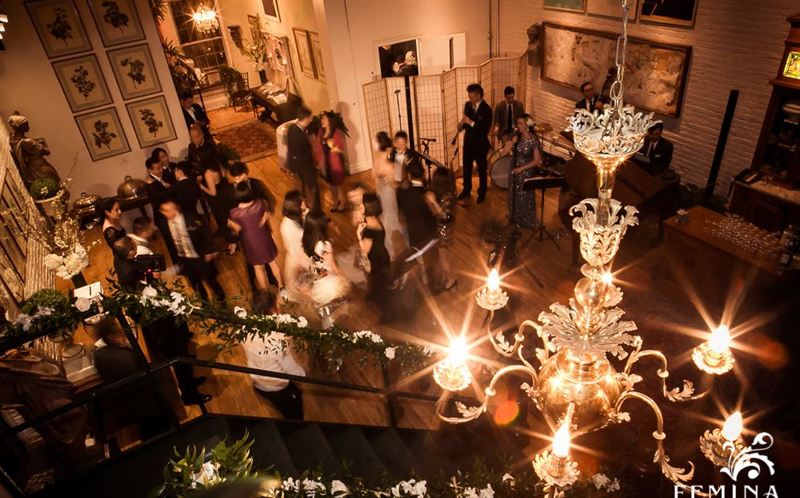
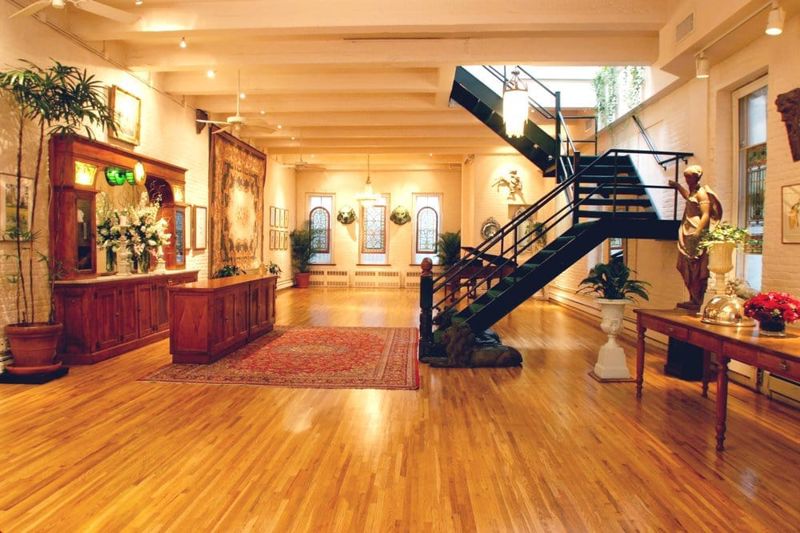
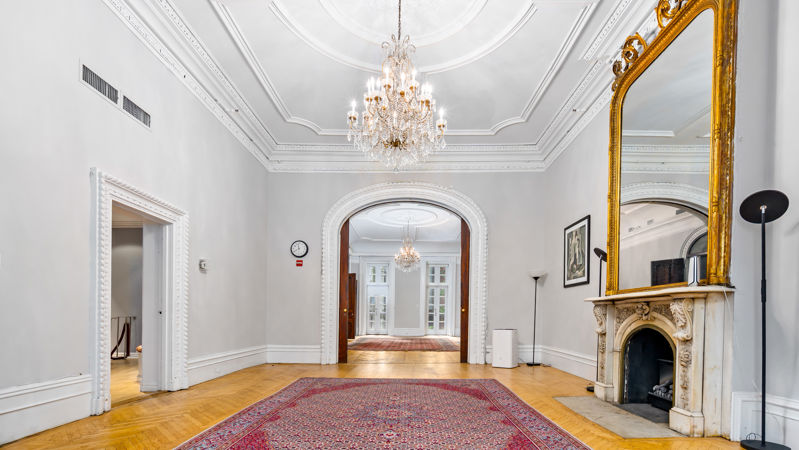
Historic Elegance Meets Timeless New York Charm

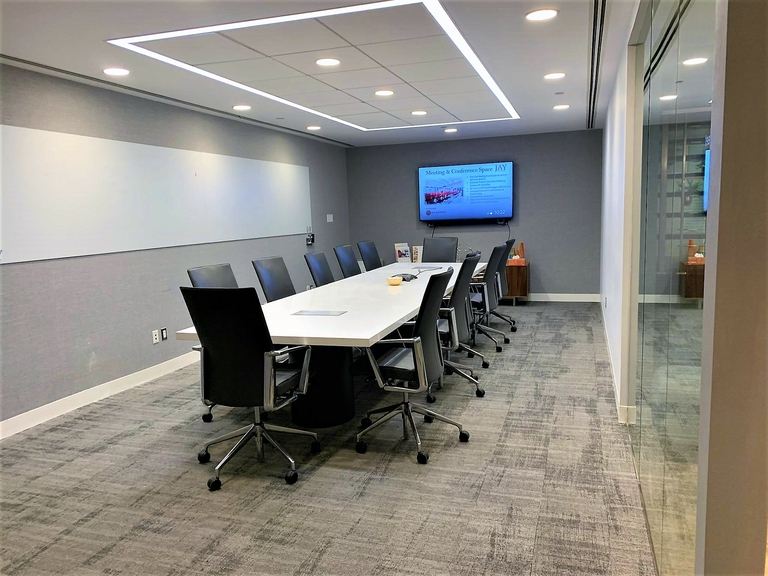
Quick reply · 1299 sf · 110 guests

Manhattan, NY from $350 /hr

Explore New York

Use New York's character as a filter, not decoration

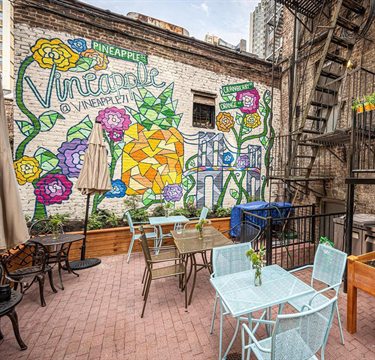
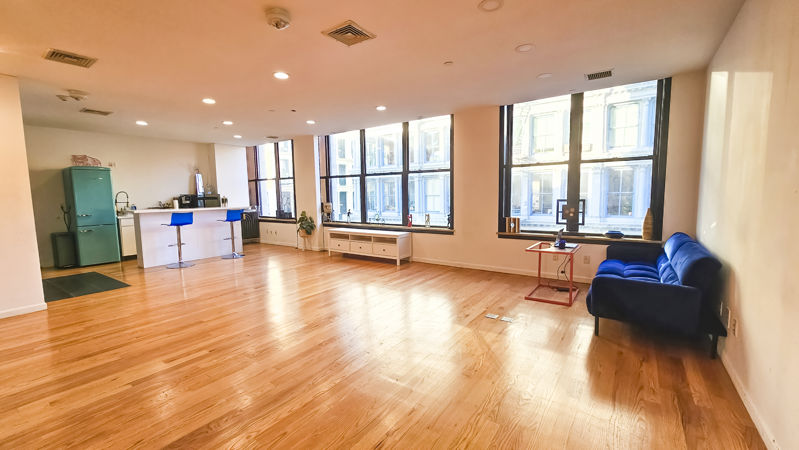
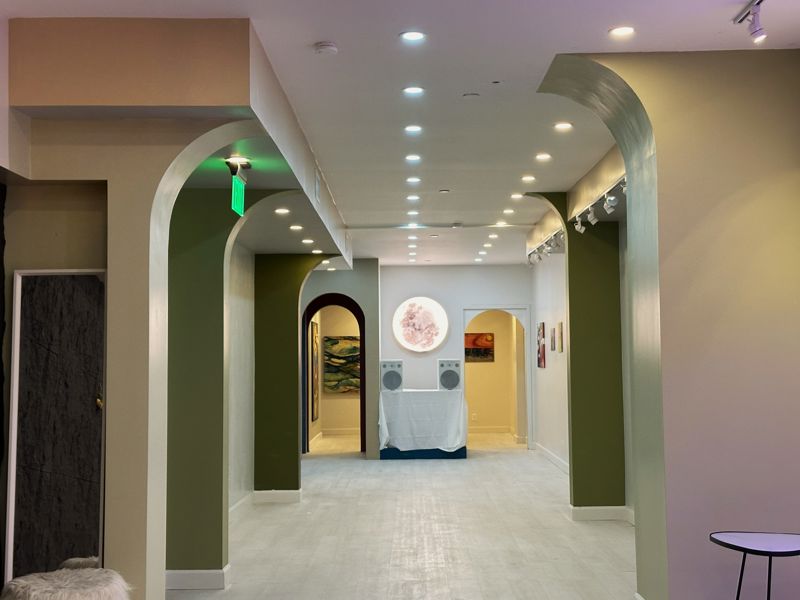
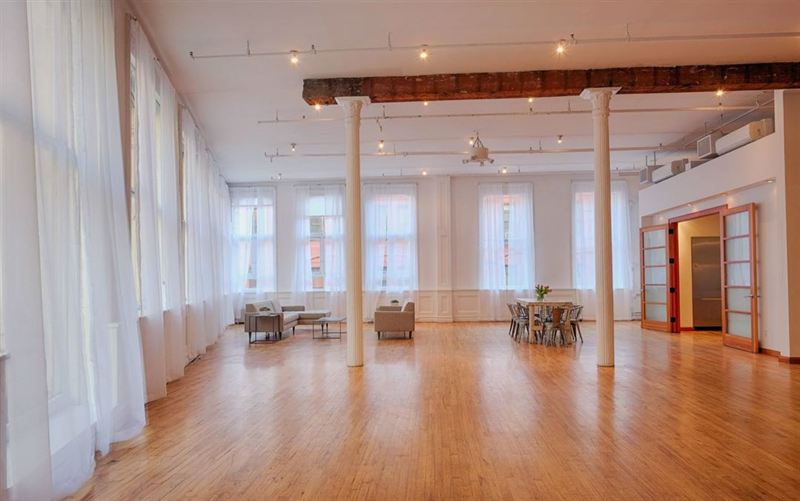
New York gives planners an unusually wide range of spaces, from intimate dining rooms and flexible lofts to major halls built for large guest counts. Elevator access, loading rules, security, sound limits, neighborhood traffic, and the time needed to move people through the building can shape the entire booking. In a dense neighborhood, the last hundred feet often matter more than the highway mileage. Curb access, elevators, stairs, rideshare pickup and where vendors can wait all deserve a real walkthrough. A useful venue search begins outside the room. The surrounding blocks, roads, parking pattern and nearby businesses shape how the booking feels long before the first toast or camera setup. Use those details to decide whether the city is helping the event or simply adding a nice label to the invitation. Then compare properties that fit the setting naturally. For a nearby version of that idea, compare SoHo outdoor spaces for weddings. The goal is a shortlist that feels specific to the place and easy to operate.

Match the venue type to the amount of coordination you want

A venue earns its price by removing problems. Check whether the property has a sensible place for catering, staging, deliveries, storage and the quieter moments that happen away from the main room. If every support task spills into the guest area, the space will feel smaller than its capacity suggests. Choose the building whose normal routine already resembles your event. For a more service-led option, compare Tribeca restaurants for parties and celebrations. To compare a second operating model, look through Tribeca event centers for meetings and team events. Find out what the venue does every week without special permission. A property that routinely handles the same type of gathering is less likely to surprise the organizer with a rule, staffing gap or layout limitation after the contract is signed. Ask for an itemized estimate instead of comparing rental rates in isolation. Service charges, staffing, furniture, kitchen access, audiovisual support, security and cleanup can move the final number enough to reverse which property is actually the better value. The strongest choice is the one that removes ordinary work instead of hiding it.

Plan the celebration around how people will actually move

In New York, restaurants, transit and nearby nightlife can extend the event beyond the rented room, so the arrival plan and the late-night exit deserve equal attention. A social event works best when the room gives different kinds of guests a comfortable place to be. Some people will want the center of the action, while others need a quieter edge, easy restroom access or a short path back to the car. Walk the venue as though you are an older relative, a parent with a child and the catering team. If all three routes make sense, the plan is usually on solid ground. For wedding-focused options, begin with SoHo homes for weddings. For birthdays, dinners and other social plans, compare Financial District restaurants for parties and celebrations. Pay attention to the edges of the event, not only the center. Restrooms, quieter seating, accessibility, smoking rules, coat storage and the walk back to transportation can determine whether the space still feels comfortable late in the evening. A little breathing room in the plan is usually worth more than squeezing in one extra feature.

Company events run better when support space is planned

New York is a natural choice for meetings and offsites because attendees can arrive from across the region and the setting adds momentum to the day. The right New York event venue should make arrival, service, movement, and departure feel as considered as the room itself. Production value is not just what appears in frame. Quiet holding space, dependable power, nearby restrooms and a clean equipment route can save more time than another dramatic angle. The same logic applies to meetings: presentation technology, acoustics and breaks need to work without interrupting the main agenda. Scout the unseen parts of the day as carefully as the visible ones. For a shoot or recorded-content day, narrow the search with Tribeca studios for film and production. For a client event, offsite or team gathering, compare Financial District meeting spaces for corporate events. Build a little recovery time into the schedule. Loading delays, a late speaker, a lighting reset or a catering change are ordinary problems, and a venue with good support space makes those changes easier to absorb without affecting guests or talent. The room should protect the schedule rather than ask the team to rescue it.

Compare the whole day, not just the room

New York has enough variety to support nearly any event or production, but the best venue is the one that fits the plan without forcing the plan to work around the building. Stable Wi-Fi, sightlines, acoustics, climate control, presentation equipment, natural light, and at least one secondary area can determine whether the agenda works. Use nearby areas as a stress test for the current plan. If another city gives most guests an easier arrival, more appropriate spaces or a cleaner late-night exit, that is useful information even if the original favorite still wins. The goal is confidence, not more tabs open in the browser. Start the nearby check with SoHo event venues. Another practical comparison is Tribeca event venues. One more useful stress test is Financial District event venues. Keep the nearby search focused on one question at a time. If parking is the weakness, compare parking. If the problem is lodging or a missing venue type, judge those directly instead of letting a different neighborhood win simply because it has more listings. The exercise is useful because it makes the reason for choosing the final area much clearer.

Make the last site visit an operations test

Urban convenience can disappear quickly when a building has a difficult load-in or a confusing entrance. Test the route from street to room with the actual guest and vendor plan in mind. Use the last site visit to verify the contract against the physical property. Check hours, capacity, furniture, power, staffing, insurance, sound, parking and what must be removed at the end of the booking. If valet, shuttles or a loading zone are part of the plan, identify the exact place where each one will happen. A strong venue turns those details into background noise. Before leaving, ask one final question: what usually goes wrong here? A candid answer about parking, noise, weather, late vendors or room turnover can reveal more than another amenities list and gives the organizer time to build a simple backup. The final decision should make the day more predictable, not merely more photogenic.

Explore New York guides

Planning tips, neighborhood ideas, and venue inspiration.