Menu

Event and Production Venues near SoHo, NY

Edit Search

1-18 of 471 listings

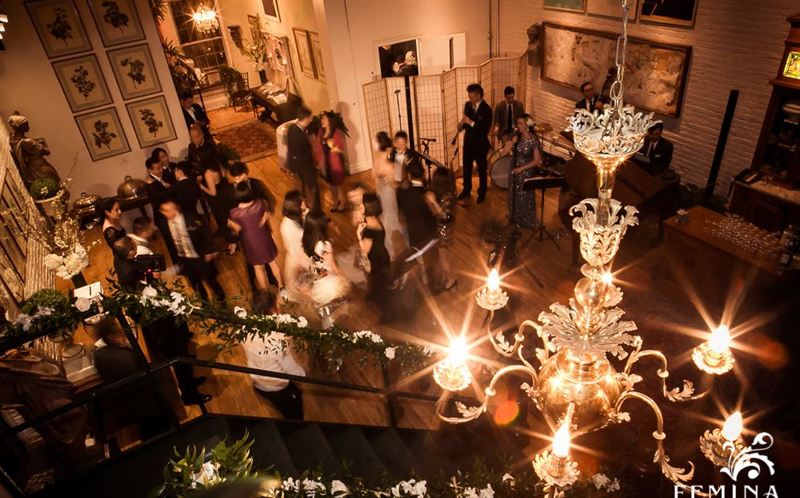
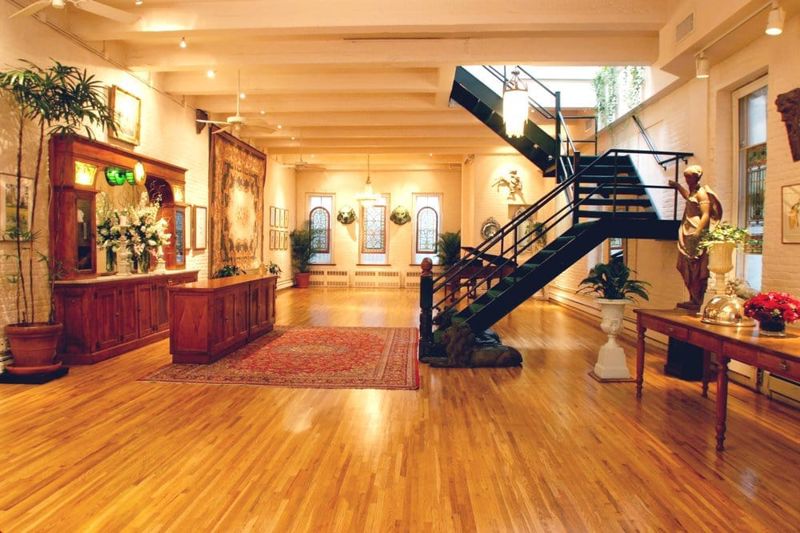
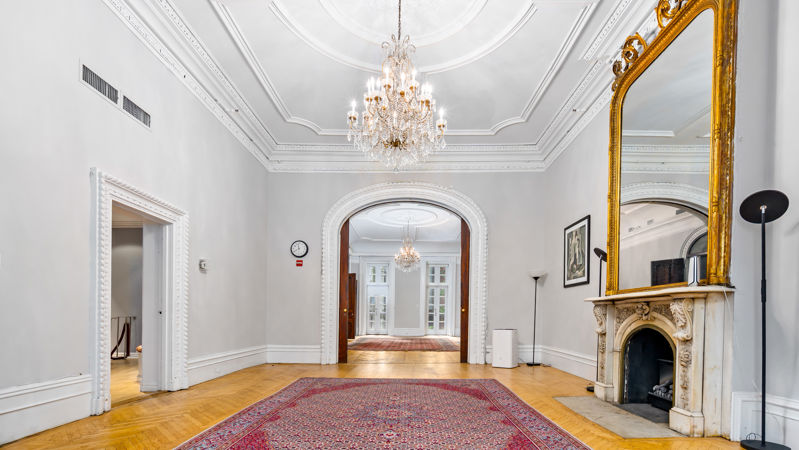
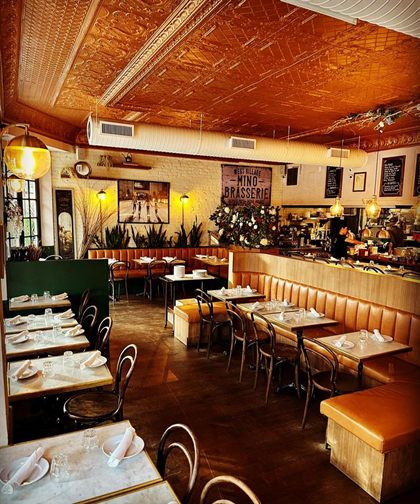
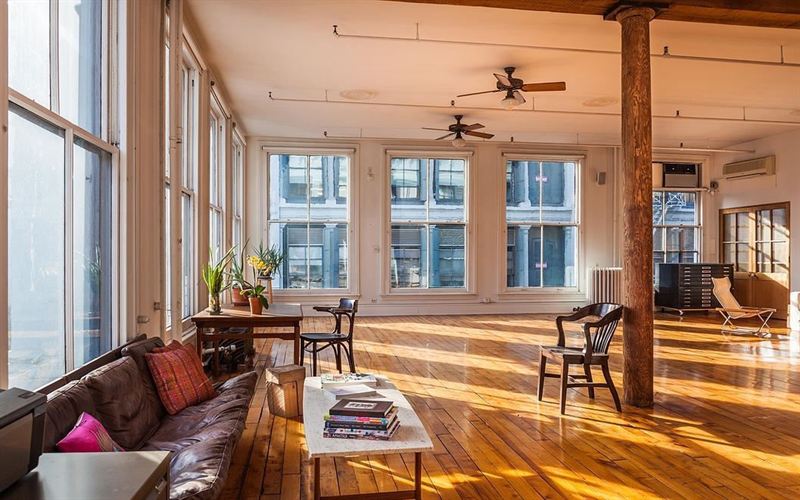
Historic Elegance Meets Timeless New York Charm

Quick reply · 1299 sf · 110 guests

Manhattan, NY from $350 /hr

Explore SoHo

Cast-Iron Architecture Makes the Streets Part of the Venue

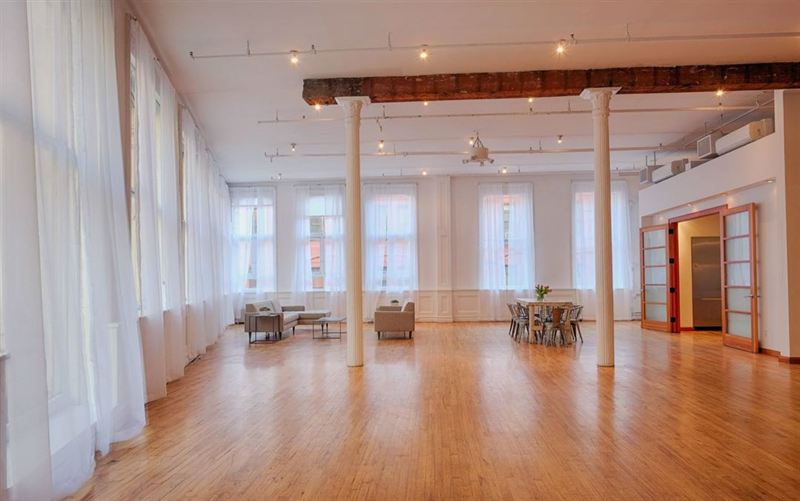
SoHo’s cast-iron loft buildings create one of the most recognizable architectural districts in New York. Many were built for manufacturing and commerce before artists converted large floors into studios and living space in the twentieth century. That history explains why open lofts, tall windows and columned interiors feel native to the neighborhood rather than staged. It also means older buildings can have operational quirks that are easy to overlook when the room photographs beautifully. New York venues are unusually sensitive to the surrounding block, because curb space, pedestrian volume and building entrances directly shape the guest experience. For image-driven bookings, planners can browse SoHo photo shoot venues and then decide how much of the surrounding neighborhood should appear in the final look.

Lofts and Event Rooms Belong Here More Than Conventional Ballrooms

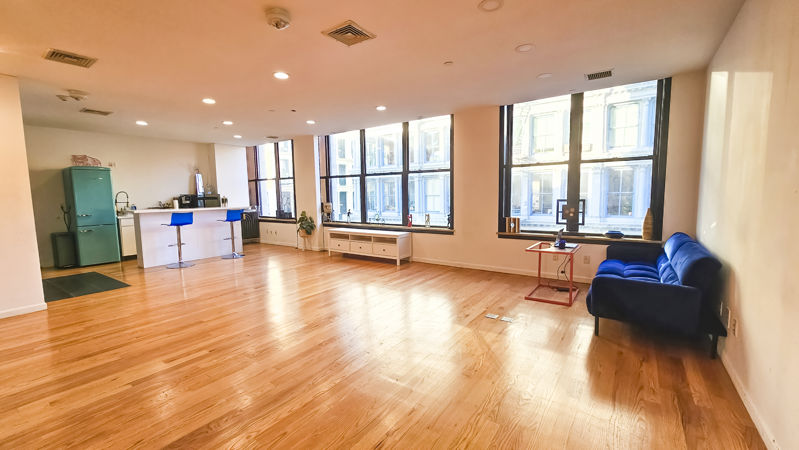
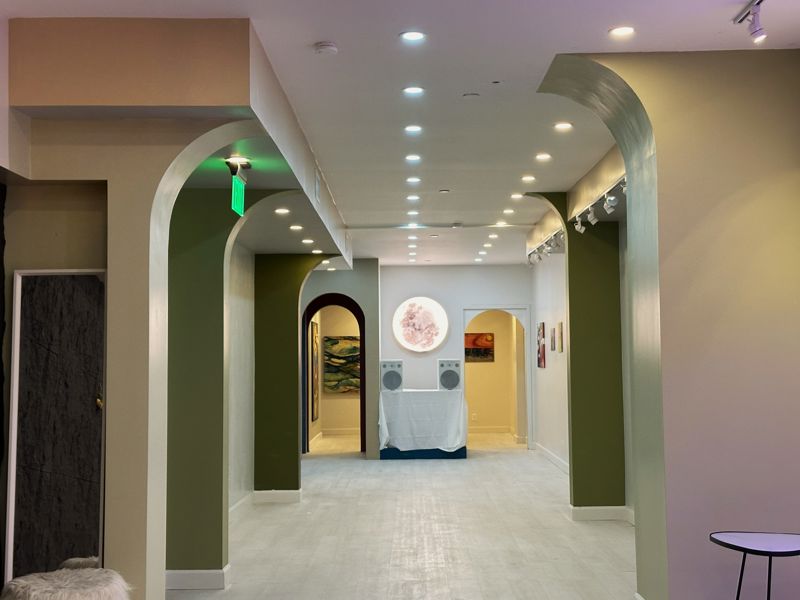
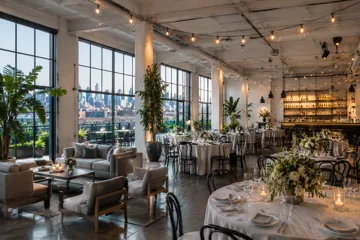
Event centers, lofts and meeting spaces fit SoHo because the neighborhood’s old commercial buildings were designed around large floor plates rather than hotel corridors. A polished loft can handle a reception, showroom or corporate gathering while keeping the architecture visible. The key differences are often elevator size, ceiling height, sound separation and how rentals reach the floor, not the number of decorative finishes in the listing photos. Confirm service elevators, stairs, restrooms and prep space before assuming the room’s advertised capacity reflects comfortable event use. For a more structured comparison, planners can review SoHo event centers. A different format is available by exploring SoHo meeting spaces, which helps separate the building type from the neighborhood name.

A Social Event Can Lean on the Neighborhood’s Dining and Retail Energy

SoHo gives social events a built-in before-and-after environment of restaurants, shopping and galleries. Guests can arrive early or continue elsewhere on foot, which is a real advantage for dinners and receptions. The downside is heavy pedestrian activity, especially on weekends. A private event should have a clear entrance and guest-management plan so the booking does not feel swallowed by retail crowds outside. For social bookings, consider what happens after the last toast: guests still need a safe, obvious path to transit, taxis or rideshare. For celebration-focused searches, planners can compare SoHo restaurant and bar party venues. Wedding-related bookings can also start with SoHo wedding venues when guest flow and service needs are more formal.

Production Gets an Iconic Backdrop With Real Building Constraints

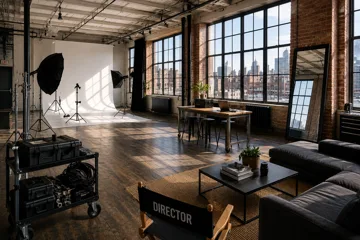
For photo shoots, fashion content and brand work, SoHo’s streets and interiors need little introduction. Cast-iron facades, loading-era architecture and broad windows create a strong visual language. Crews should still confirm permit needs for exterior work, street noise, freight-elevator schedules and whether equipment carts can move over older sidewalks and thresholds. A beautiful fifth-floor loft is less useful if the elevator cannot handle the cases. A production location should be tested with real equipment dimensions in mind, not just judged from wide-angle interior photos. For controlled creative work, teams can explore SoHo event center production venues. For workshops, presentations and smaller group sessions, planners can also review SoHo meeting and class venues.

Tribeca, the Lower East Side and FiDi Change the Mood Within Minutes

Nearby comparisons are useful because a short move can change the venue market quickly. For historic lofts and a polished Lower Manhattan atmosphere, planners can compare Tribeca event venues. If the priority shifts toward historic tenement blocks, restaurants and late-night energy, the search can expand to Lower East Side event venues. For office towers, rooftops, hotels and Lower Manhattan waterfront access, another useful comparison is Financial District event venues. SoHo still wins when cast-iron architecture and a high-visibility downtown setting are central to the event. The nearby markets may be only minutes apart, but their hotel supply, street activity and loading conditions can change the event more than distance suggests.

Freight Elevators and Delivery Windows Deserve Early Attention

Many SoHo buildings were adapted long after they were constructed, so access varies widely. Ask for freight dimensions, elevator hours, stairs, trash procedures and vendor arrival windows. Weekend traffic can slow deliveries even when guests arrive easily by subway. If the event is large, designate a pickup location rather than allowing cars to cluster at the entrance. Those details matter more here than another round of décor decisions. Ask the venue to show exactly where a caterer, rental truck or camera van would stop on event day. For larger bookings, request a written floor plan and vendor schedule so elevator, curb and building-management rules are settled before rentals arrive. If alcohol or amplified sound is involved, confirm the building’s own policies rather than assuming the neighborhood’s nightlife rules apply inside the venue.

Explore SoHo guides

Planning tips, neighborhood ideas, and venue inspiration.