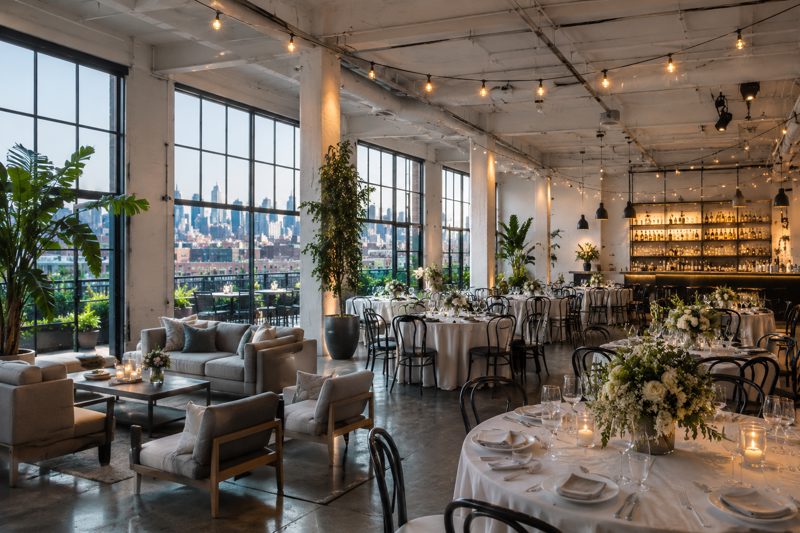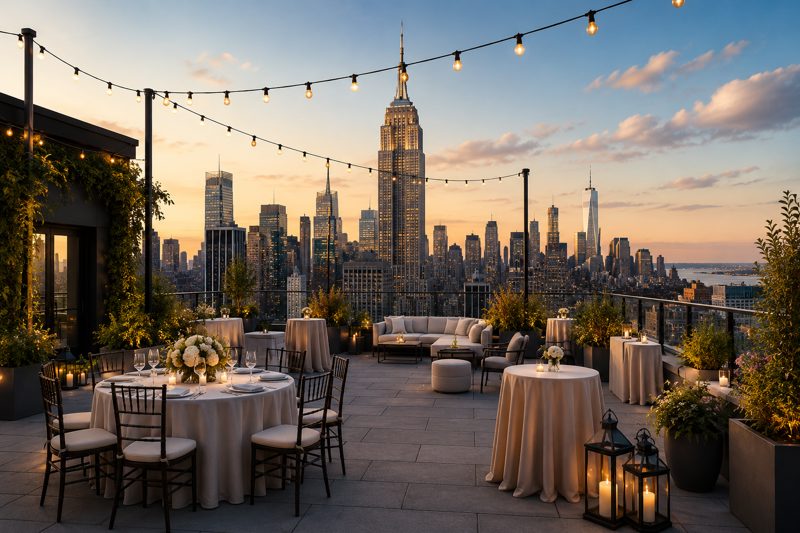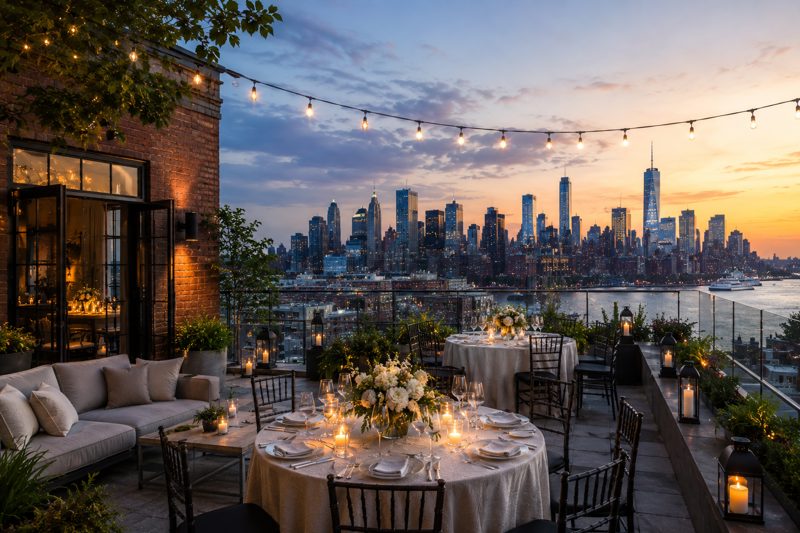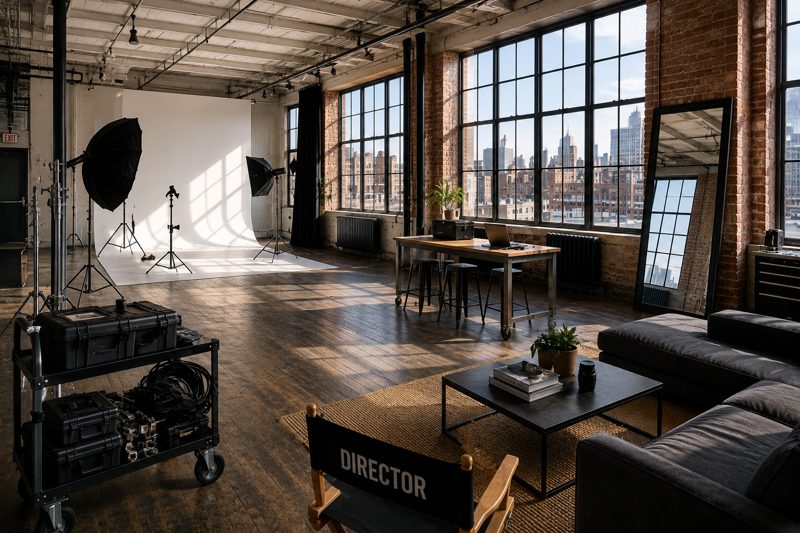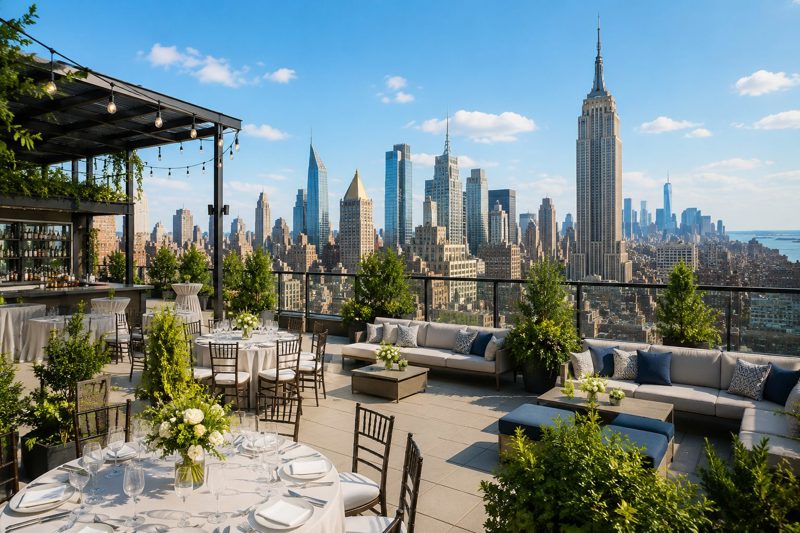
New York City does not have one venue market. It has a collection of neighborhood markets, each with its own arrival patterns, building types, street life, views, and operating limits. A polished dinner near Grand Central, a loft reception in SoHo, a rooftop gathering in Williamsburg, and a production day in Long Island City may all be part of the same city search, but they create very different experiences for guests and vendors.
The broad New York City venue search is the right place to see the full range, then the neighborhood should be chosen by what the event actually needs. Groups centered on food and built-in service may start with restaurants and private dining spaces. Events built around skyline atmosphere may lean toward rooftops across New York City. The neighborhood becomes useful when it improves the guest experience, not simply because the name looks impressive on an invitation.
Start with the version of New York you want guests to experience
Before comparing individual rooms, decide whether the gathering should feel corporate, architectural, nightlife-driven, residential, waterfront, or production-oriented. Midtown makes sense when office access, hotels, and regional transportation matter. Downtown Manhattan brings cast-iron buildings, cobblestones, galleries, restaurants, and loft interiors. Brooklyn can offer industrial character, creative spaces, nightlife, and wider waterfront views. Queens often provides newer buildings, practical production access, and neighborhoods where the event can feel connected to local restaurants rather than surrounded by tourist traffic.
The event format should guide the search. A training day may benefit from NYC meeting and conference spaces near major transit. A wedding welcome party may need a restaurant district where guests can continue the evening on foot. A product launch may care more about freight access, blank walls, power, and street visibility than hotel proximity. Choosing the neighborhood first is useful only when that choice reflects the real program.
Midtown and Chelsea favor access, service, and polished event infrastructure
Midtown Manhattan event spaces are the practical starting point for conferences, executive meetings, association programs, hotel events, client dinners, and gatherings drawing people through Grand Central or Penn Station. The blocks around Bryant Park, Times Square, Madison Avenue, and the theater district offer very different surroundings, so the exact avenue matters. Midtown can reduce travel for office-based guests while increasing elevator waits, security procedures, loading restrictions, and street congestion.
Farther west, Chelsea galleries and event venues shift the mood toward art, fashion, lofts, the High Line, and the Hudson River. West Chelsea can support dinners, exhibitions, brand events, and creative productions in former industrial buildings, while eastern Chelsea stays closer to Penn Station and Midtown hotels. Planners should compare the walk from transit, freight timing, gallery installation rules, indoor backup, and whether the room still functions after lighting, catering, registration, and guest circulation are added.
SoHo, Tribeca, and Lower Manhattan bring architecture and downtown energy
SoHo lofts and event spaces are strongest when cast-iron architecture, tall windows, fashion, retail, or a recognizable downtown setting contribute to the event. Broadway brings constant pedestrian traffic and storefront energy, while Greene, Mercer, Wooster, and West Broadway can feel more architectural and intimate. Similar-looking lofts may differ sharply in freight access, residential restrictions, elevator size, and permitted setup hours.
Tribeca offers a quieter, more polished warehouse and restaurant environment. The Lower East Side adds nightlife, music rooms, bars, smaller performance spaces, and dense street activity. The Financial District favors corporate programs, historic interiors, harbor views, and guests using Fulton Center, PATH, or World Trade Center hotels. For events where the river or skyline should shape the setting, compare waterfront venues around New York City. Downtown succeeds when the architecture supports the program and the building can handle the people, equipment, catering, and schedule behind it.
Williamsburg, Greenpoint, and Bushwick offer Brooklyn's widest creative range
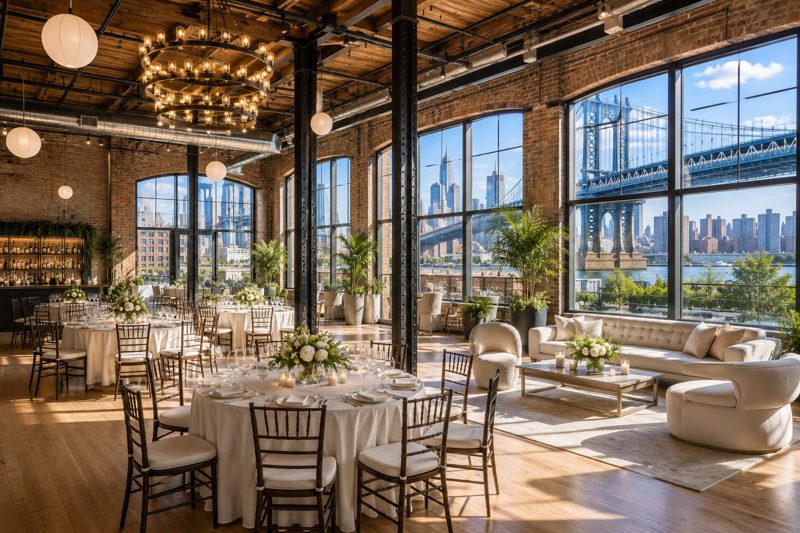
Williamsburg venues near the waterfront and nightlife can support rooftop parties, hotel events, restaurant buyouts, weddings, launches, and creative gatherings where guests want the neighborhood to continue after the booking ends. Bedford Avenue, North 6th Street, Wythe Avenue, and the waterfront each create different arrival, noise, and hotel patterns. The area offers strong hospitality but can carry premium pricing and busy evening streets.
Greenpoint studios and event spaces often feel quieter and more industrial, with daylight studios, converted commercial buildings, waterfront pockets, and neighborhood restaurants. Bushwick pushes farther toward warehouses, murals, flexible creative rooms, and production-focused spaces. Crews that need controlled light, power, staging, and adaptable interiors may begin with studios and production spaces across NYC. DUMBO adds bridge views and cobblestones, while Downtown Brooklyn adds transit and civic access. Brooklyn is strongest when its creative character is paired with a realistic loading and transportation plan.
Long Island City and Astoria make Queens more practical than many planners expect
Long Island City venues and production spaces can be a smart alternative to Midtown when the booking needs skyline views, industrial buildings, studios, hotels, or quicker access from Queens. Hunters Point, Queens Plaza, Court Square, and the waterfront do not function as one uniform district. A venue near the river may provide dramatic Manhattan views but sit farther from the train than a commercial space near Queens Plaza.
Astoria restaurants and neighborhood venues suit private dinners, birthdays, showers, cultural gatherings, small performances, and productions that benefit from residential streets and a strong local dining scene. Broadway, Steinway Street, Ditmars Boulevard, and the blocks closer to the East River offer different atmospheres. Queens can also be useful for larger flexible rooms, and planners comparing capacity-driven spaces should review event centers throughout New York City. The advantage is often practical: easier vendor movement, more neighborhood texture, and less pressure to pay for a famous Manhattan address.
Match the neighborhood to the event, then test the logistics
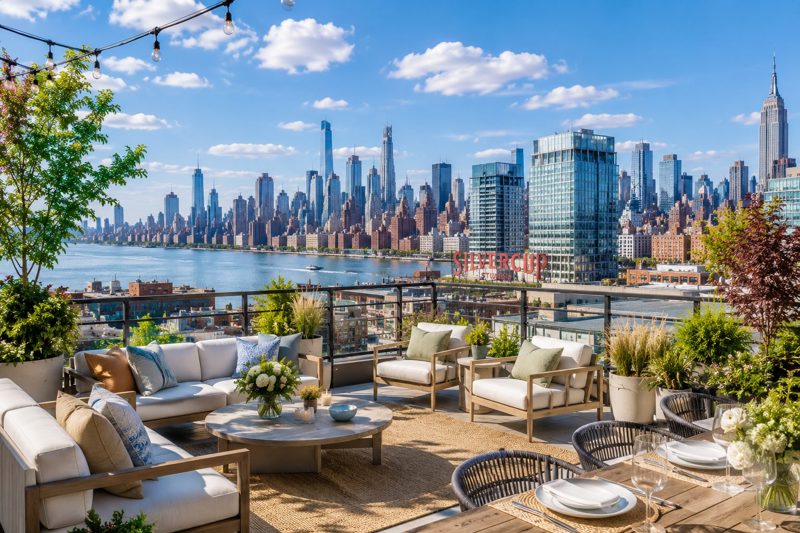
The best NYC neighborhood is the one that makes the full event easier. Midtown may win for a weekday conference because most guests can arrive directly from offices and rail terminals. Chelsea or SoHo may be better for a gallery dinner or fashion launch. Williamsburg can turn a rooftop celebration into a full evening. Greenpoint or Bushwick may give a production more control. Long Island City can combine Manhattan access with stronger loading and studio infrastructure. Astoria may provide the restaurant, community, and neighborhood atmosphere a private celebration needs.
Once the preferred area is clear, test the actual property. Walk the route from the nearest station. Find the loading entrance. Check elevator dimensions, security, restrooms, sound, weather backup, vendor rules, and the usable layout after every table and service area is placed. New York offers extraordinary variety, but the neighborhood name should never substitute for operational fit. The strongest booking is the one where the room, building, street, transportation, and surrounding area all support the same plan.