Menu

Event and Production Venues near New York, NY

Edit Search

1-18 of 477 listings

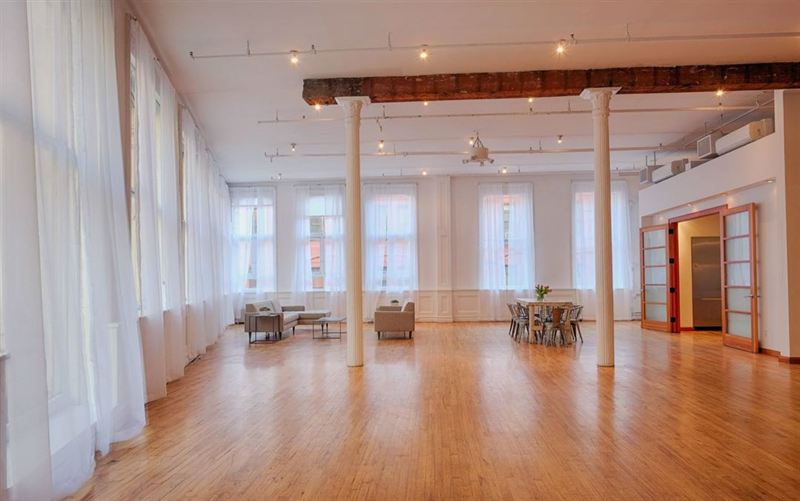
Historic Elegance Meets Timeless New York Charm

Quick reply · 1299 sf · 110 guests

Manhattan, NY from $350 /hr

Explore New York

New York Is Not One Venue Market

New York City is too varied to treat as a single venue district. A hotel ballroom near Midtown, a Brooklyn warehouse, a Queens studio and a downtown restaurant may all be reachable by subway, yet they create completely different events. The useful first decision is not simply capacity. It is whether the gathering needs a recognizable Manhattan address, a neighborhood atmosphere, industrial scale, waterfront views, nightlife or straightforward regional access. Planners can start with New York City party and celebration venues to see the breadth of the market, then narrow by the kind of experience guests should have before and after the booking. In New York, the neighborhood often becomes part of the event whether the host intends it or not.

Building Type Matters Almost as Much as Neighborhood

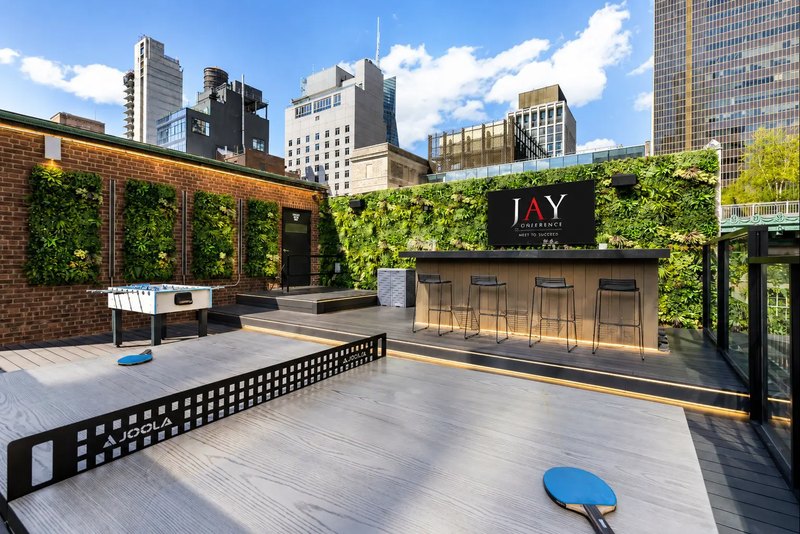
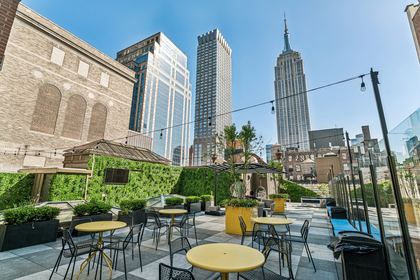
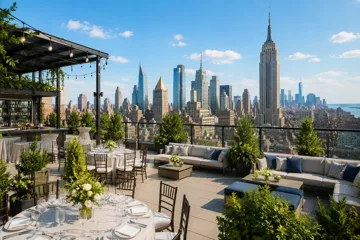
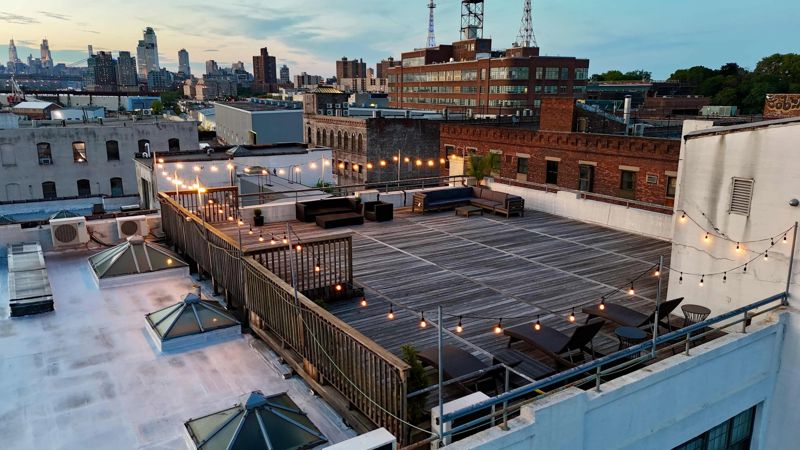
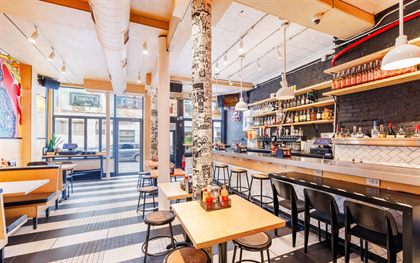
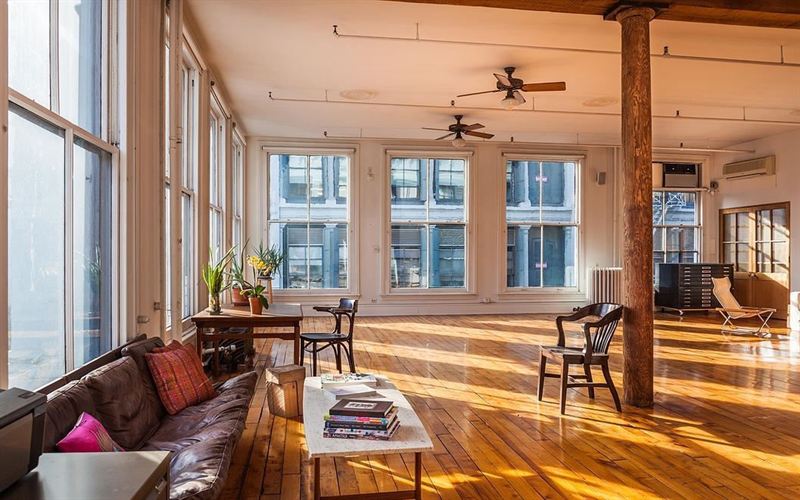
The city’s venue stock ranges from historic hotels and theaters to lofts, restaurants, rooftops, galleries and converted industrial buildings. Each building type brings its own operational tradeoffs. A loft may offer character but limited freight access; a hotel can simplify catering and guest rooms but feel less private; a rooftop can provide a skyline moment while adding elevator and weather constraints. For structured business gatherings, planners can compare New York City corporate event centers. For a hospitality-led event where dinner and service are central, it can make more sense to browse New York City restaurant party venues. The strongest search begins with what the event has to do, then uses neighborhood and style to refine it.

Guest Experience Can Change Within a Few Subway Stops

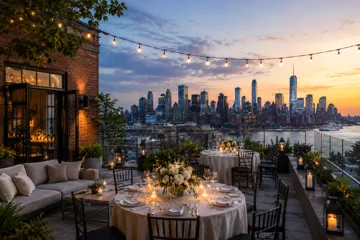
New York makes it possible to build an event weekend around the venue without hiring transportation for every move. Guests may walk to dinner, take the subway to a museum, or continue to another neighborhood after the main gathering. That flexibility is valuable for weddings, reunions and milestone celebrations, but it also means the host should think about where guests are staying. Couples can explore New York City wedding venues while checking whether the ceremony, reception and hotel cluster are realistically connected. For public-facing events and nonprofit gatherings, planners can also review New York City brand and fundraising venues. A beautiful room is less useful if half the guest list faces two transfers and a long walk in formal clothes.

Production and Meetings Reward Operational Detail

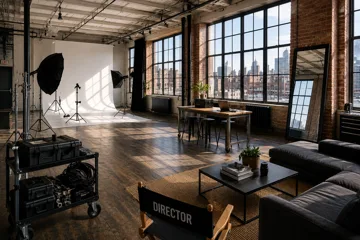
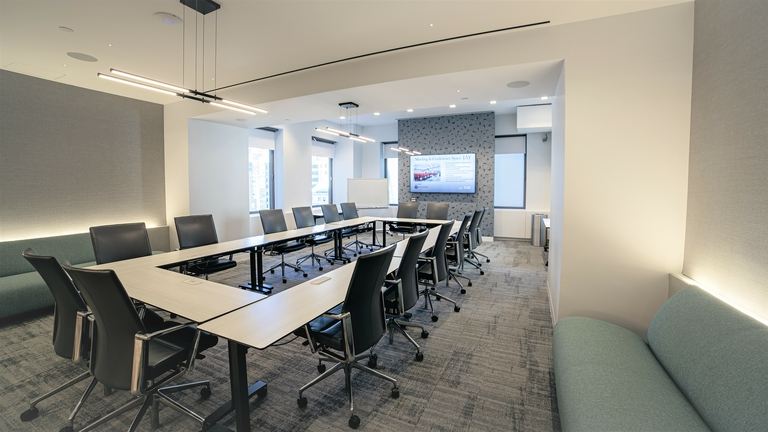
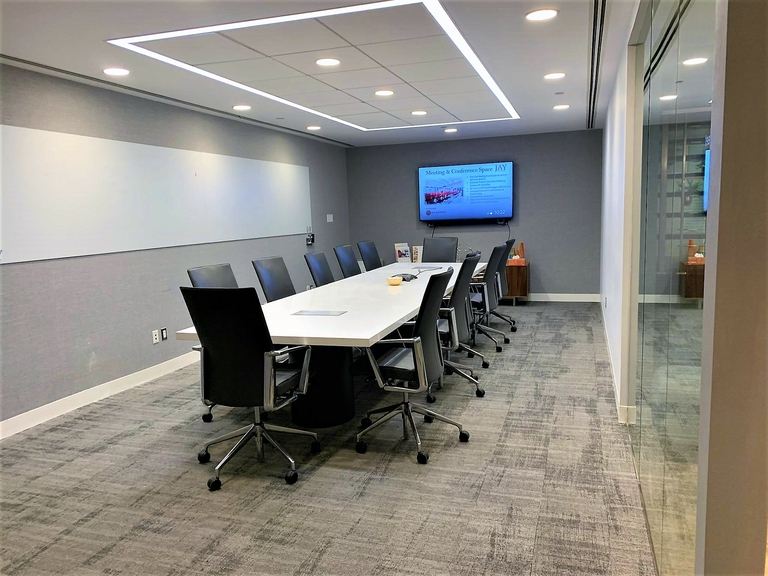
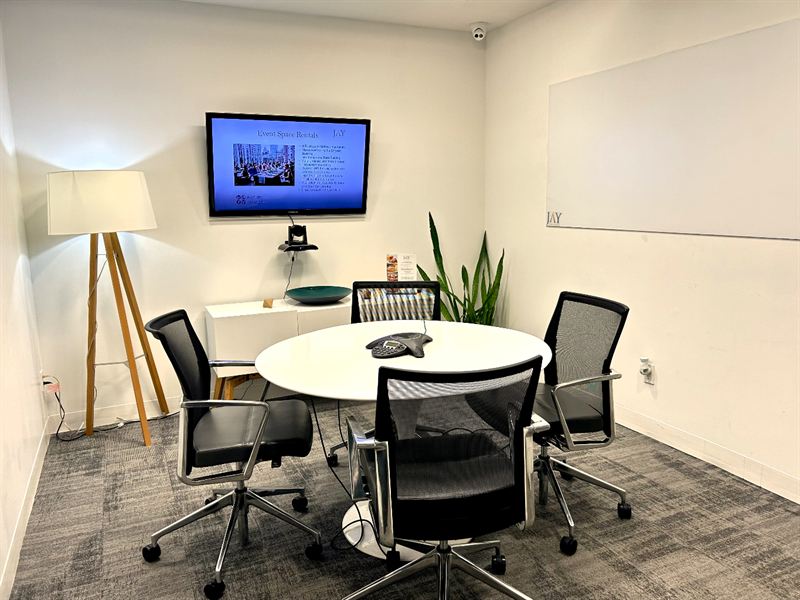
New York is a major production and business market, but the city punishes assumptions about access. A studio can be geographically close to a client office while still requiring a complicated truck route, and an elegant meeting room may have a freight elevator schedule that controls when vendors can arrive. Crews can compare New York City production venues for production-oriented spaces and browse New York City meeting and class venues for workshops, training and team sessions. Ask about loading docks, certificate-of-insurance requirements, union or building rules, elevator reservations, sound and overtime before signing. For meetings, also confirm whether the address is intuitive for visitors arriving through Penn Station, Grand Central, airports or regional rail.

Manhattan, Brooklyn and Long Island City Solve Different Problems

Three large submarkets illustrate how quickly the city changes. For maximum hotel density, corporate access and iconic urban settings, compare Manhattan event venues. For industrial conversions, brownstone neighborhoods, waterfront districts and a broader range of creative spaces, the search can expand to Brooklyn event venues. Across the East River in Queens, planners can look at Long Island City event venues for studios, modern development and quick access to Midtown. None is universally better. Manhattan often minimizes explanation for out-of-town guests, Brooklyn can deliver more distinct neighborhood character, and Long Island City can be efficient when production space and Queens access matter. The event’s geography should follow the guest list and operational plan rather than prestige alone.

Transit Helps Guests More Than It Helps Freight

New York’s transit network is one of its greatest event advantages, but it mainly solves human movement. Catering trucks, rental deliveries, production vans and large decor pieces still depend on streets, loading zones and building rules. Confirm freight elevator dimensions and reservation windows, especially in office towers and converted loft buildings. For rooftop or upper-floor events, ask what happens if weather moves activities indoors and whether the indoor capacity truly matches the guest count. Evening bookings should also consider late-night transit frequency and rideshare congestion. A venue can be excellent and still be wrong for a specific event if every vendor must solve a different access problem. In this city, operational clarity is often what separates an exciting address from an exhausting event day.

Explore New York guides

Planning tips, neighborhood ideas, and venue inspiration.