Menu

Event and Production Venues near Flushing, NY
Edit Search

1-18 of 469 listings

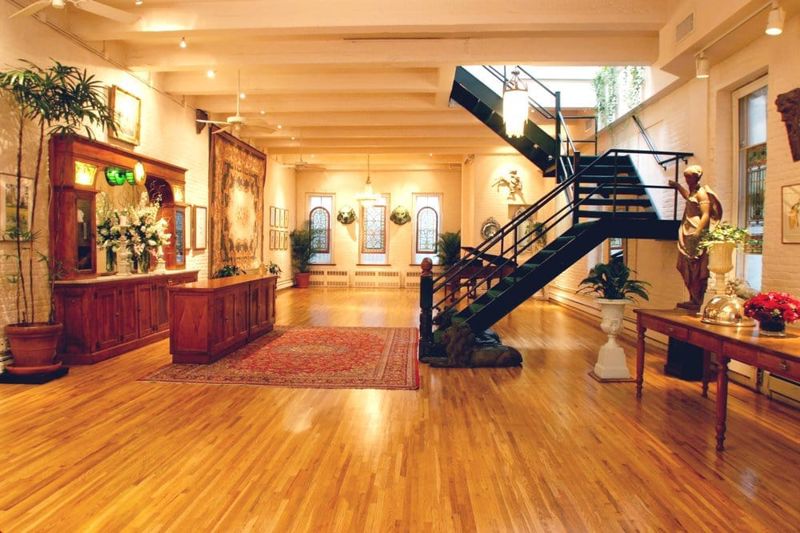
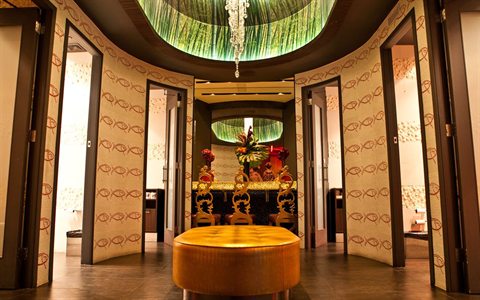
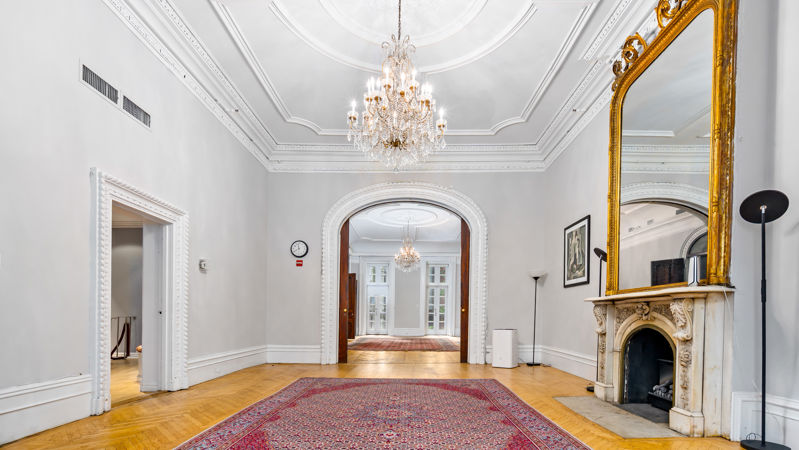
Historic Elegance Meets Timeless New York Charm

Quick reply · 1299 sf · 110 guests
Manhattan, NY from $350 /hr

Explore Flushing

Downtown Flushing Feels Like a Regional Center, Not a Small Neighborhood

Downtown Flushing is one of Queens’ busiest commercial centers, anchored by Main Street, the 7 train, Long Island Rail Road service and an unusually dense restaurant and retail scene. Flushing Meadows-Corona Park sits immediately to the west, adding major sports and cultural destinations. The result is a venue market that can draw locally, from Manhattan and from Long Island without feeling like a secondary neighborhood center. New York venues are unusually sensitive to the surrounding block, because curb space, pedestrian volume and building entrances directly shape the guest experience. For image-driven bookings, planners can browse Flushing event center photo venues and then decide how much of the surrounding neighborhood should appear in the final look.

Outdoor and Rooftop Spaces Add Relief to a Dense Commercial Core

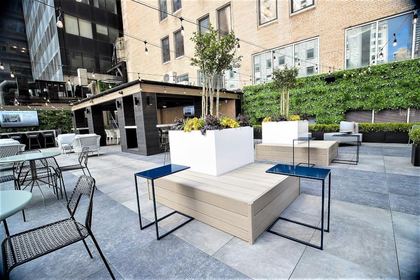
Outdoor spaces and rooftops can be valuable because they create breathing room above or beside a dense commercial district. Hotels, restaurants, meeting rooms and larger event centers also make sense because Flushing serves a regional audience. A planner should decide whether the event benefits more from downtown walkability and food access or from easier vehicle circulation on the neighborhood’s edges. Confirm service elevators, stairs, restrooms and prep space before assuming the room’s advertised capacity reflects comfortable event use. For a more structured comparison, planners can review Flushing outdoor venues. A different format is available by exploring Flushing rooftop venues, which helps separate the building type from the neighborhood name.

Food Culture Is a Major Part of the Guest Experience

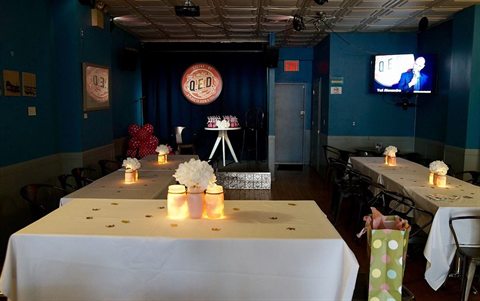
Flushing’s restaurant culture is one of its biggest strengths for weddings, dinners and family celebrations. Guests can arrive early, eat nearby or continue after the event without leaving the district. That convenience is especially useful for multigenerational groups. The tradeoff is congestion around Main Street, where parking and pickup can be difficult during busy periods. For social bookings, consider what happens after the last toast: guests still need a safe, obvious path to transit, taxis or rideshare. For celebration-focused searches, planners can compare Flushing event center party venues. Wedding-related bookings can also start with Flushing restaurant and bar wedding venues when guest flow and service needs are more formal.

Production Gets Dense Urban Energy and Fast Regional Access

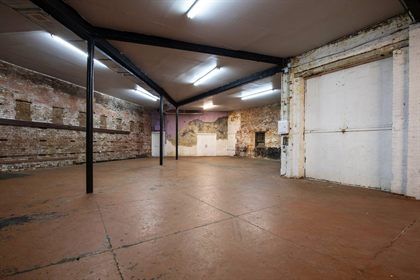
The neighborhood offers dense storefronts, multilingual signage, modern towers, older commercial blocks and nearby park landscapes. That range can be useful for photo and video work. Downtown shoots need careful sound and pedestrian planning, while larger interiors should be checked for freight access. Crews traveling with equipment may find the LIRR or subway convenient for people but not for cases, so vehicle staging still matters. A production location should be tested with real equipment dimensions in mind, not just judged from wide-angle interior photos. For controlled creative work, teams can explore Flushing production venues. For workshops, presentations and smaller group sessions, planners can also review Flushing meeting and class venues.

Corona, College Point and Astoria Offer Three Different Queens Alternatives

Nearby comparisons are useful because a short move can change the venue market quickly. For Flushing Meadows access and a dense residential setting, planners can compare Corona event venues. If the priority shifts toward a lower-density, more car-oriented waterfront market, the search can expand to College Point event venues. For a broad restaurant district with established studio history, another useful comparison is Astoria event venues. Flushing is most compelling when regional transit, food and a dense Queens commercial center all serve the guest list. The nearby markets may be only minutes apart, but their hotel supply, street activity and loading conditions can change the event more than distance suggests.

Transit Is Excellent, but Downtown Congestion Is Real

Flushing has some of the strongest transit access in Queens, but downtown traffic can erase the advantage for cars and vendors. Confirm loading locations rather than telling drivers to circle Main Street. Major events at Citi Field or the USTA complex can also affect nearby routes. For guests, provide the correct station exit and walking directions because large transit complexes can be confusing to first-time visitors. Ask the venue to show exactly where a caterer, rental truck or camera van would stop on event day. For larger bookings, request a written floor plan and vendor schedule so elevator, curb and building-management rules are settled before rentals arrive. If alcohol or amplified sound is involved, confirm the building’s own policies rather than assuming the neighborhood’s nightlife rules apply inside the venue.