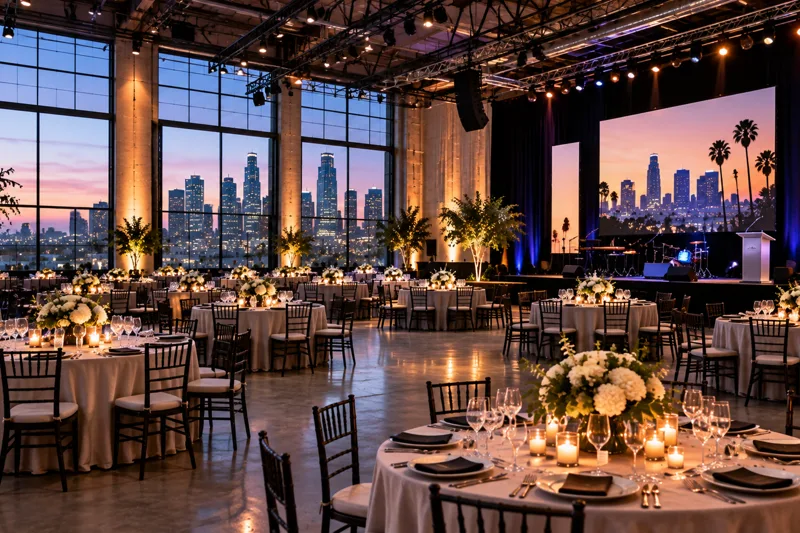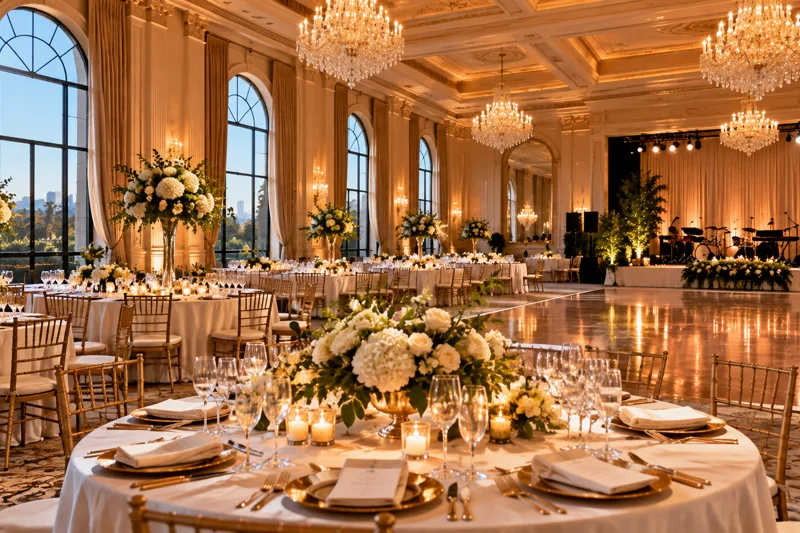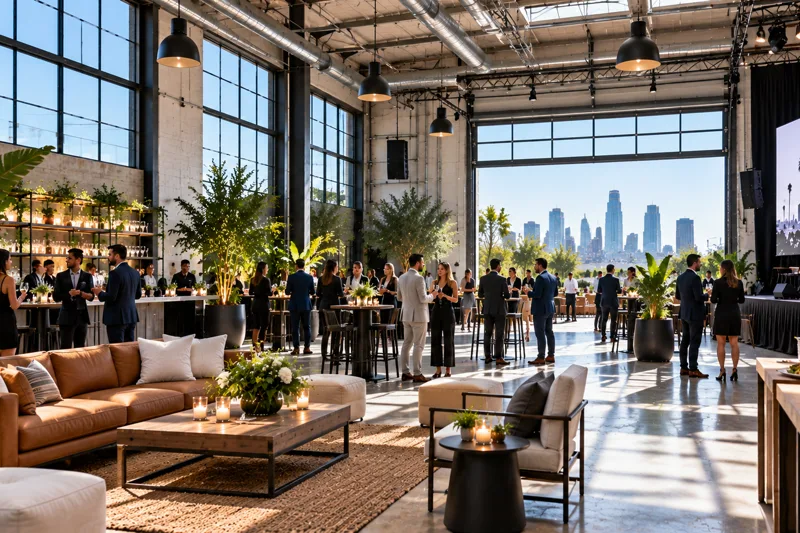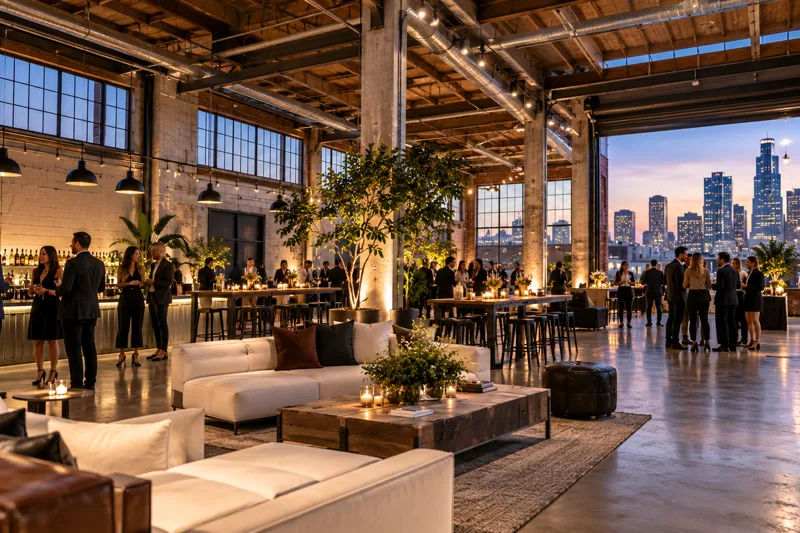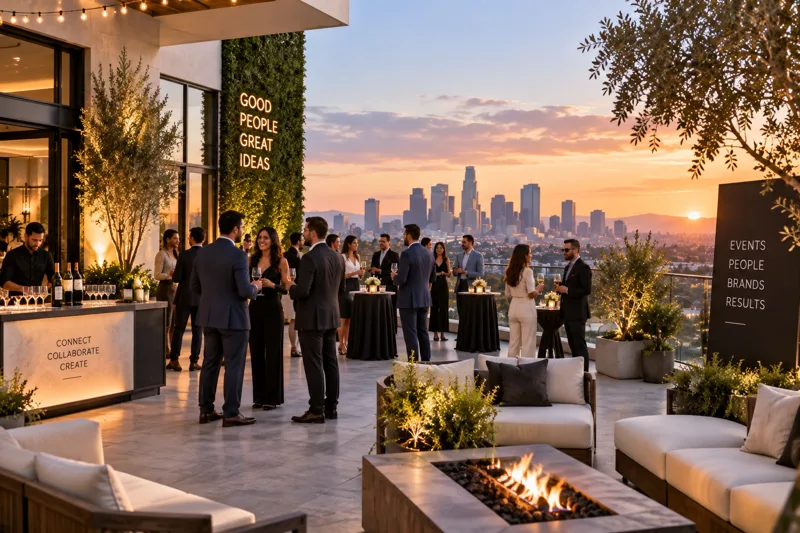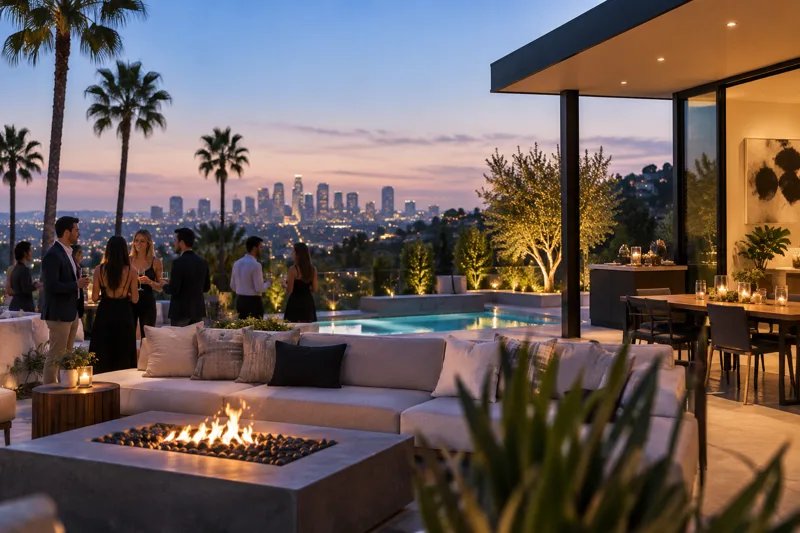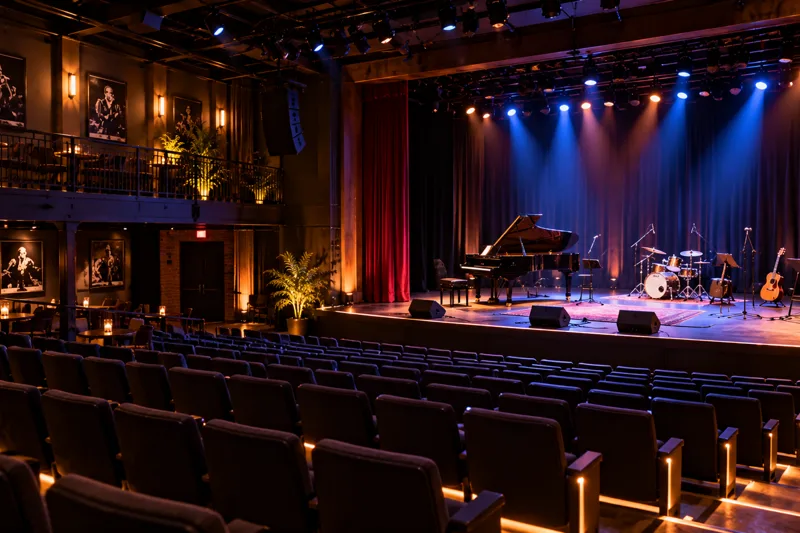
Los Angeles has performance spaces at almost every scale, from small black-box theaters and rehearsal rooms to clubs, auditoriums and large entertainment venues. The challenge is not finding a stage. It is finding one that matches the audience size, technical needs and backstage requirements of the show.
The broad Los Angeles performance and rehearsal venue search is the best place to see the range. If a formal stage is important, compare Los Angeles theaters with Los Angeles entertainment venues.
A room can look impressive from the audience and still be difficult backstage. Technical access, green rooms, load-in and sound restrictions deserve as much attention as the seats.
Small theaters can be ideal when audience focus matters
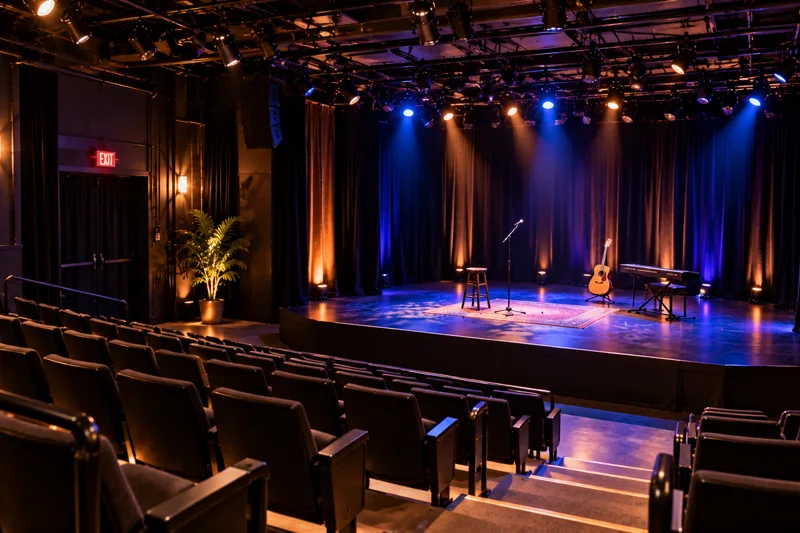
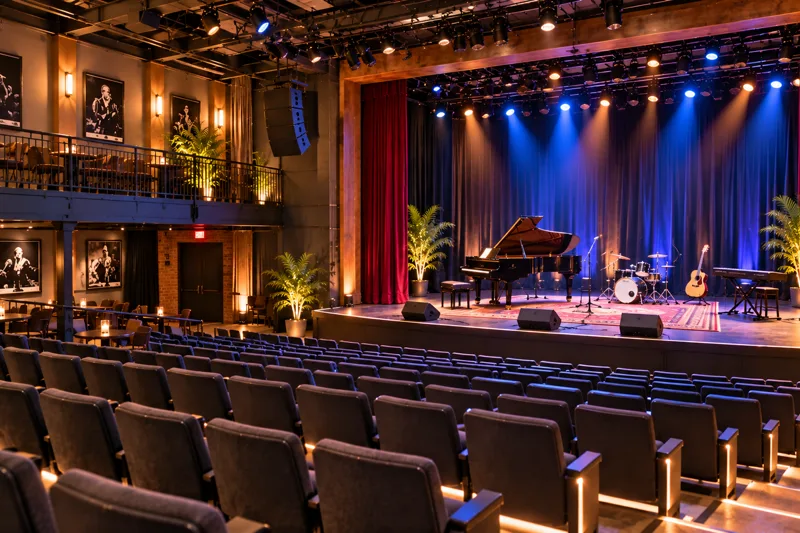
Black-box theaters and small performance rooms can make a 75-person audience feel substantial. The stage is close, sight lines are controlled and the room already tells guests where to look.
Los Angeles theaters for performances and rehearsals are useful for showcases, readings, comedy, small concerts, screenings and presentations where the stage is the center of the event.
Ask whether lighting and sound operators are required, what equipment is included and how early performers can access the room.
Entertainment venues work when the event needs more than a stage
Clubs, music rooms and multi-use entertainment properties can provide bars, lounges and guest circulation in addition to the performance area.
Los Angeles entertainment venues for performances can work well for album events, showcases, wrap parties with live programming and branded performances where the audience should stay and socialize afterward.
Rehearsal spaces should be judged by access and acoustics
A rehearsal room may not need guest amenities, but it needs enough floor area, power and sound isolation for the work being done. For dance, ceiling height and floor surface matter. For music, acoustic treatment and sound bleed matter. For theater, taped floor plans and prop storage may be more important than décor.
Studios can be useful alternatives. Los Angeles studios for performances and rehearsals may offer flexible open floor plans and easier production access than a traditional theater.
Load-in can determine whether a venue is realistic
A beautiful stage reached by one narrow staircase can be a poor choice for a show with large instruments, scenic pieces or substantial AV gear.
Walk the route from truck to stage. Check loading doors, freight elevators, parking for crew vehicles, storage areas and the hours when equipment can move through the building.
Backstage space is easy to underestimate
Performers need somewhere to wait, change, store personal items and prepare without crossing audience areas. A green room is valuable, but even a dedicated classroom or office near the stage can solve a lot of problems.
For larger programs, Los Angeles event centers for performances may provide more back-of-house flexibility and larger common areas.
Sound limits need to be checked before the room wins you over
Not every venue that allows performances allows the volume or end time your event needs. Residential neighbors, rooftop locations and mixed-use buildings can create restrictions that are not obvious during a daytime tour.
Ask for the venue's actual sound policy, permitted event hours and any required sound engineer or security staffing.
Screenings and presentations need different technical questions
If the event includes video, confirm screen size, projection brightness, blackout capability and audio routing. A room that works for live music may not work for a detailed presentation if the audience cannot clearly see a screen.
For production-heavy events, the Los Angeles film, video and audio production venue inventory may surface spaces with better power, control and technical support.
Walk the venue from both sides of the curtain
- Audience: Are sight lines and sound good from the back and sides?
- Stage: Is there enough depth and width for the real program?
- Backstage: Where do performers wait, change and store equipment?
- Load-in: Can large equipment reach the stage easily?
- Sound: What are the volume and end-time limits?
- AV: What equipment and operators are included?
- Parking: Can audience and crew arrive without competing for the same limited spaces?
The right performance venue should support the show before the audience arrives
A good stage is only part of the venue. Rehearsal time, sound, backstage access, loading and audience flow determine whether the event feels professional.
Start with performance and rehearsal venues in Los Angeles, then compare theaters, entertainment venues, studios and event centers based on the technical and audience experience the program actually needs.