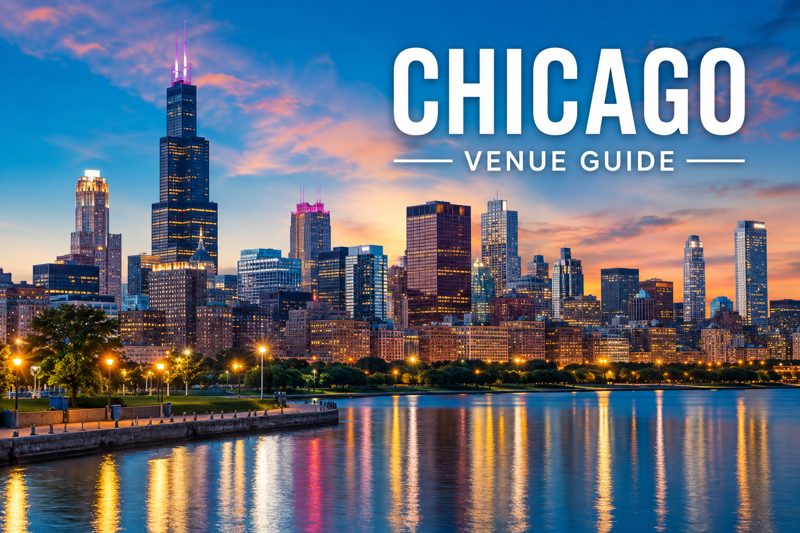
Chicago gives venue shoppers a lot of range without asking every event to feel the same. A private dinner in the West Loop, a company reception near the Loop, a wedding in a ballroom, a rooftop gathering above River North, and a photo shoot in a converted industrial space can all live within the same city search. The broad Chicago event venue page is the best place to start, but the useful work begins when the search is narrowed by neighborhood, event style, guest count, food and beverage needs, and how people will actually arrive.
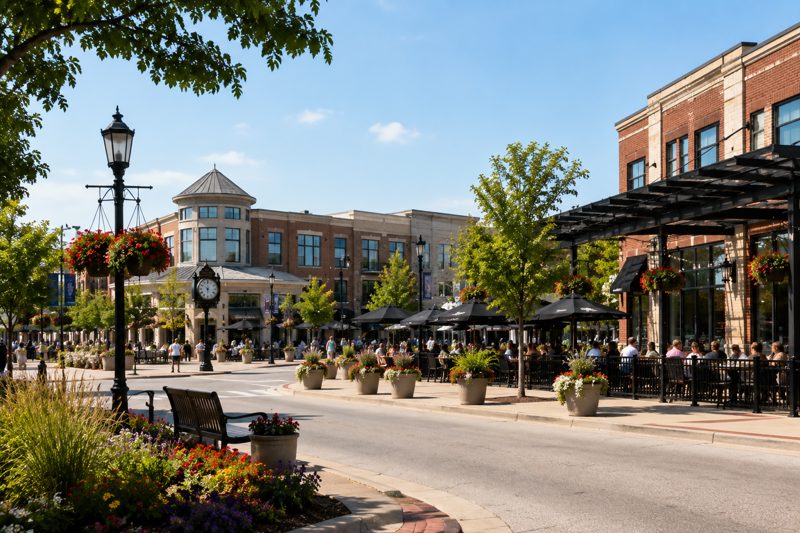
Chicago is also a city where location changes the character of a booking quickly. Downtown addresses can make sense for hotel guests and corporate groups. West Loop and Fulton Market bring restaurants, lofts, and a strong food-and-nightlife identity. River North offers dense access to hotels, dining, and nightlife. Wicker Park and Logan Square can feel more neighborhood-driven and creative, while Pilsen, Bridgeport, Hyde Park, Lincoln Park, and Lakeview each bring a different mix of architecture, culture, residential streets, restaurants, and gathering spaces. Choosing the right part of the city can matter as much as choosing the room itself.
Start with the part of Chicago that fits the guest list
For events with out-of-town guests, the Loop, River North, Streeterville, and nearby downtown areas are often the easiest places to compare because hotels, transit, restaurants, and major attractions are close together. That convenience can be especially valuable when guests are staying for a weekend or when a company is bringing people in from several cities. The tradeoff is that parking, loading, elevator schedules, and downtown traffic may require more planning than they would in a neighborhood venue.
West Loop and Fulton Market are strong when food, nightlife, and an energetic urban setting are part of the experience. The area has a natural fit for dinners, receptions, brand gatherings, birthdays, and company events, especially when the evening continues after the private booking ends. Farther from the core, neighborhoods such as Wicker Park, Logan Square, Pilsen, and Bridgeport can offer more visual character, storefront spaces, studios, theaters, bars, restaurants, and less corporate surroundings. Hyde Park brings a different identity again, with university, museum, lakefront, and historic neighborhood context.
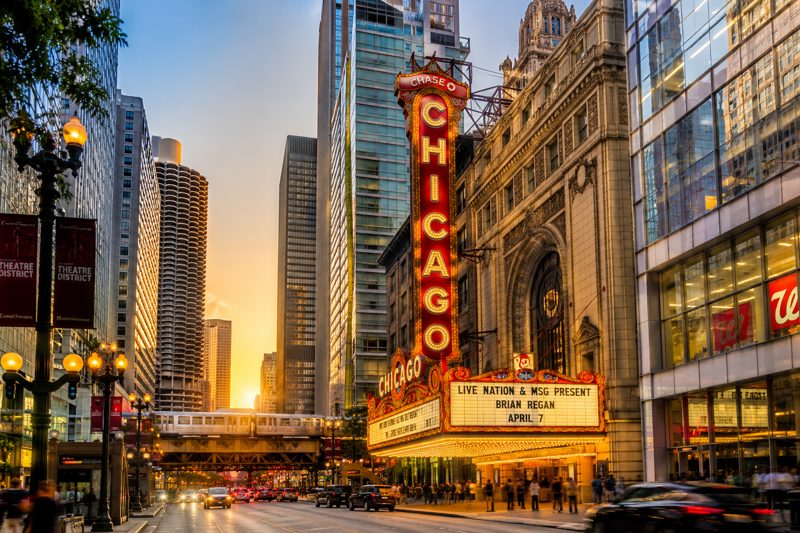
Restaurants and bars are one of Chicago's deepest venue categories
Food is often part of the venue decision in Chicago rather than something added after the room is booked. The city has a large selection of Chicago restaurants and bars for private events, ranging from private dining rooms and neighborhood restaurants to larger bars, lounges, breweries, and hospitality spaces. These can be especially useful when the event is built around dinner, cocktails, conversation, or a casual social atmosphere rather than a formal room transformation.
For birthdays, showers, anniversaries, reunions, and other social gatherings, the Chicago party and celebration venue search opens the field beyond restaurants alone. When food and drinks should remain central to the night, Chicago restaurant and bar party venues are a particularly deep path to explore. A restaurant buyout may keep catering, staffing, tables, glassware, and bar service under one roof, while a flexible event space may give the host more control over vendors and layout. Neither approach is automatically better; the right choice depends on how much service versus customization the event needs.
Weddings can range from formal ballrooms to less traditional city spaces
Chicago weddings do not have to follow one format. Couples can compare Chicago wedding venues across hotels, ballrooms, event centers, restaurants, rooftops, outdoor settings, museums, galleries, and waterfront spaces. A downtown hotel can simplify a wedding weekend for traveling guests, while an independent venue may give the day a stronger architectural or neighborhood identity.
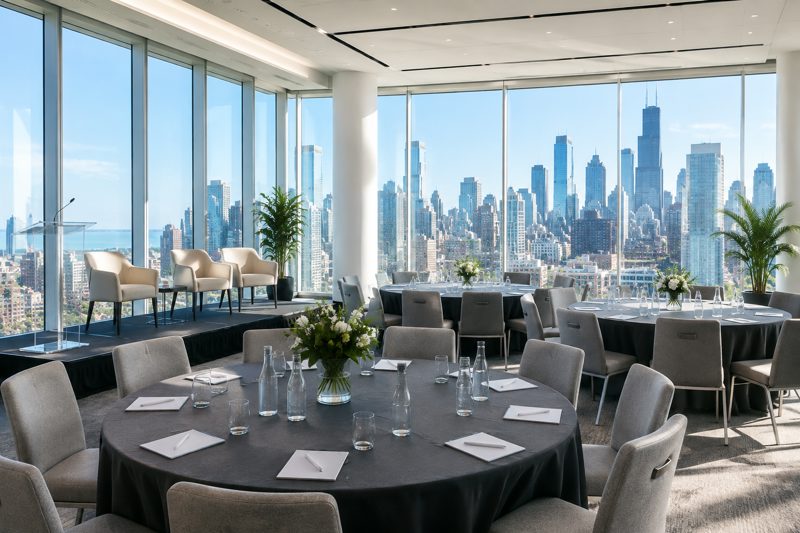
For a classic reception, Chicago ballrooms provide an obvious starting point, and the more specific Chicago ballroom wedding venue search can narrow the options further. Couples who want a flexible room rather than a traditional ballroom can compare Chicago event centers for weddings. Hotels deserve their own look as well: Chicago hotel event spaces can be especially practical when the ceremony, reception, overnight rooms, brunch, and transportation all need to fit into one weekend.
Corporate events need a different kind of convenience
A company event that looks great but creates friction for attendees can lose some of its value. For networking receptions, client gatherings, company celebrations, launches, and larger business events, Chicago corporate and networking venues cover a broad range of settings. The right choice may be a private restaurant, hotel event floor, event center, rooftop, museum, theater, or dedicated meeting venue depending on whether the goal is conversation, presentation, entertainment, or a mix of all three.
For workshops, trainings, off-sites, classes, and team sessions, Chicago meeting, class, and team-event spaces are worth treating as a separate search. Reliable Wi-Fi, screens, sound, seating, daylight, breakout space, coffee service, and an easy arrival can matter more than dramatic decor. If the group is staying downtown, Chicago hotels for corporate events can keep rooms and event space close together. For a more social format, Chicago rooftop corporate venues can work well for receptions and networking when weather backup is clear.
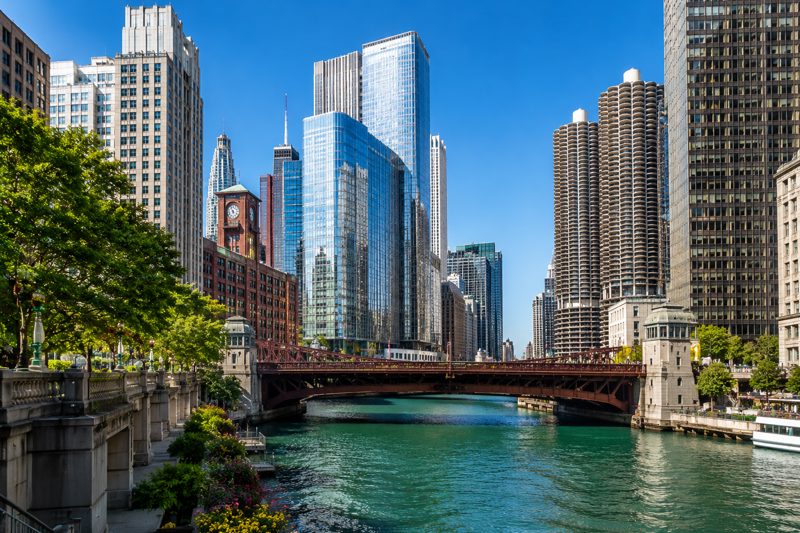
Rooftops and waterfront venues make Chicago itself part of the setting
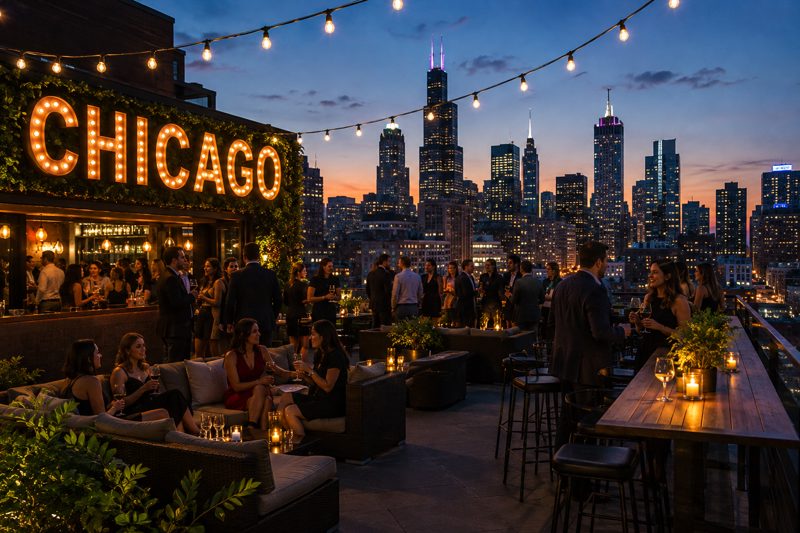
Chicago's skyline and lakefront give some events a built-in sense of place. Chicago rooftop venues can be a strong fit for cocktail receptions, birthdays, company gatherings, dinners, proposals, and warm-weather celebrations where the view is part of the experience. The important questions are practical: how much of the guest count fits indoors, what happens in rain or high wind, whether the rooftop is fully private, when amplified sound must end, and how guests and vendors reach the space.
Chicago waterfront venues create a different atmosphere, with the lake, river, harbors, and shoreline becoming part of the event. They can work for receptions, dinners, corporate gatherings, and ceremonies that benefit from an unmistakably Chicago backdrop. Couples specifically interested in that setting can compare Chicago waterfront wedding venues. In either case, a view should not distract from the basics. Indoor backup, restrooms, food service, accessibility, weather exposure, and guest circulation still determine whether the space works comfortably.
Chicago also has useful options for shoots and creative work
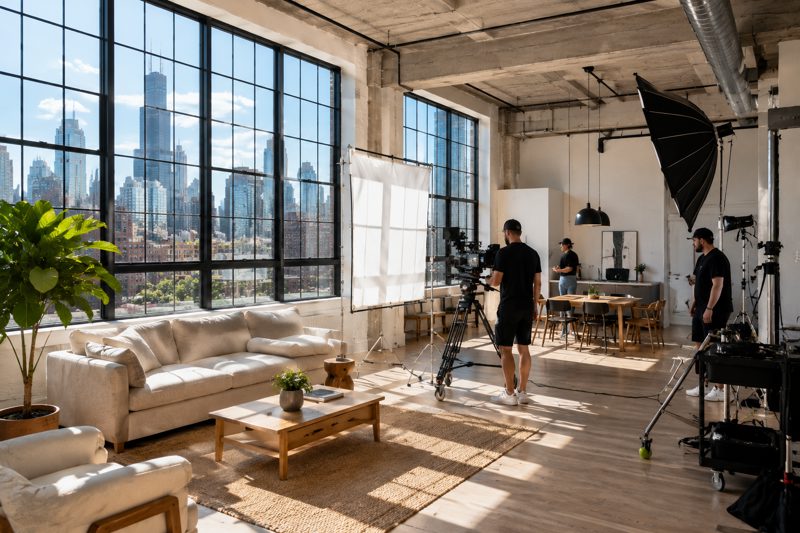
The city can give photographers and production teams a wide visual range: polished interiors, restaurant settings, industrial buildings, lofts, stages, theaters, rooftops, residential spaces, and neighborhood streetscapes. The broader Chicago photo shoot venue search is useful when the look matters first, while Chicago studios and sets for photo shoots can be a better fit when lighting control, open floor area, equipment, privacy, or a repeatable setup is more important than a recognizable location.
Production days also have their own practical checklist. Ask about freight access, stairs and elevators, parking for crew, power, natural light, blackout capability, sound from neighboring spaces, changing areas, restrooms, furniture movement, and where equipment can wait between setups. A beautiful room can become difficult quickly if cases have to be carried up narrow stairs or if a noisy HVAC system sits directly above the interview position.
Chicago weather should be part of the venue decision, not an afterthought
Season changes how a Chicago venue works. Rooftops, patios, gardens, and waterfront spaces can be excellent in warmer months, but a strong outdoor booking still needs a realistic indoor plan. In colder weather, coat storage, heated arrival areas, rideshare access, and the distance guests have to walk from parking or transit become more noticeable. For summer events, shade, air conditioning, sun direction, and storm backup deserve the same attention.
Winter is also one reason a polished indoor venue can outperform a more dramatic setting for some dates. Guests should not have to stand outside waiting for check-in, and vendors need a load-in route that remains workable in poor weather. When touring a venue, picture the arrival on the least convenient weather day of the season, not only on the day of the tour.
Parking, transit, and load-in can separate two otherwise similar venues
Chicago gives guests several ways to arrive, but the best option depends on the neighborhood. Downtown and near-downtown venues may work well for guests using public transit, taxis, rideshare, or walking from hotels. Other neighborhoods may be easier for drivers. Ask where guests actually park, whether valet is available, where rideshare vehicles can stop without blocking traffic, and whether the entrance is obvious after dark.
Vendor access deserves its own questions. A caterer, florist, DJ, photographer, rental company, or production crew may need a loading zone, freight elevator, service entrance, early access, or temporary parking. If those details are difficult, setup time disappears quickly. This matters most for events with substantial decor, rentals, staging, AV, or production equipment.
Nearby suburbs can make sense when the guest list extends beyond the city
Not every Chicago-area event needs a Chicago address. A guest list concentrated west of the city may make Oak Park venues or Naperville event spaces worth comparing, while north-side guests may find Evanston venues more convenient. Larger suburban business districts such as Schaumburg event venues can also make sense for company gatherings when parking, hotels, and access from multiple suburbs matter more than being downtown.
The city versus suburb decision is usually less about prestige than travel pattern. Look at where guests live or stay, how late the event ends, whether alcohol is being served, how many people will drive, and whether the venue requires significant vendor movement. A beautiful room in the wrong direction can create more work than a slightly less dramatic space that everyone can reach comfortably.
Compare the room and the operating details together
Before booking, confirm the real capacity for the layout you want, not only the maximum number on a listing. Ask what furniture is included, how food and alcohol work, when vendors can enter, when music must end, whether security is required, what happens with overtime, and which parts of the property are actually included. For multi-room venues, understand whether the rooms are private to one event or shared with other guests.
Chicago has enough venue variety that there is rarely a reason to force the wrong space to fit. Start broad, narrow by event type and venue style, then compare the details that will shape the actual day. A useful search should leave you with a room that fits the guest count, a neighborhood that fits the people coming, and a setup that works before the first guest walks through the door.