Menu

Event and Production Venues near Tribeca, NY
Edit Search

1-18 of 472 listings

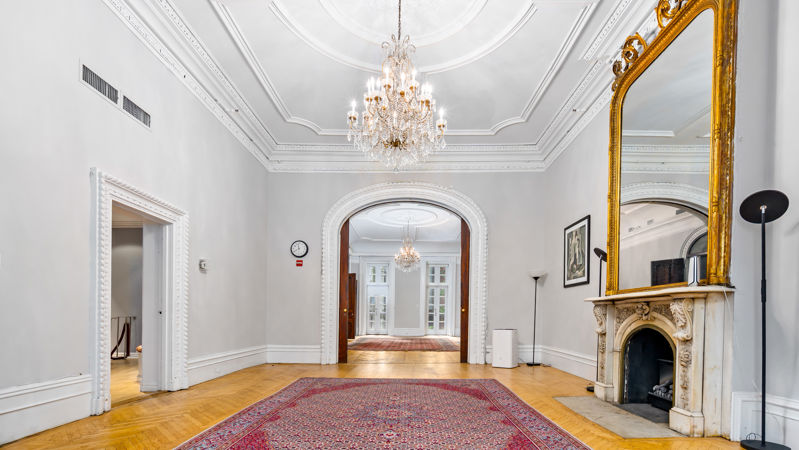
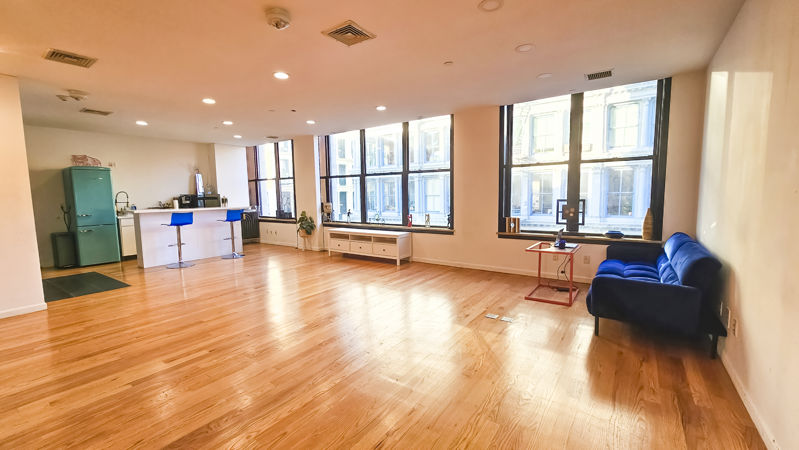
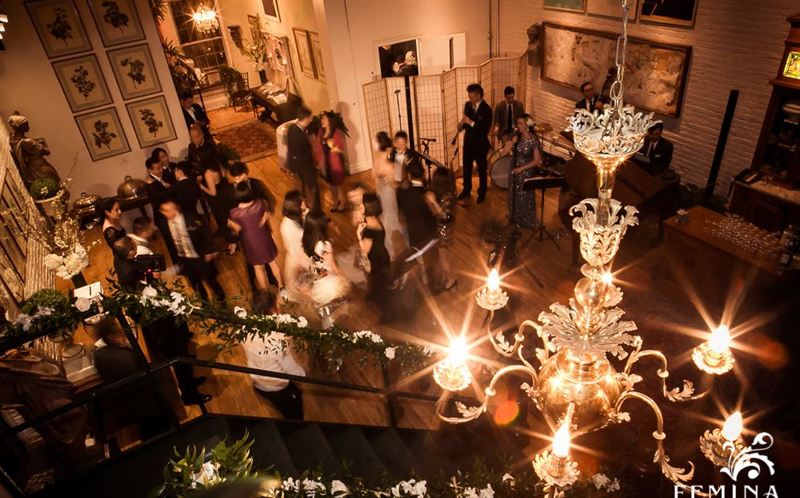
Historic Elegance Meets Timeless New York Charm

Quick reply · 1299 sf · 110 guests
Manhattan, NY from $350 /hr

Explore Tribeca

Warehouse Architecture Gives Tribeca Its Event Identity

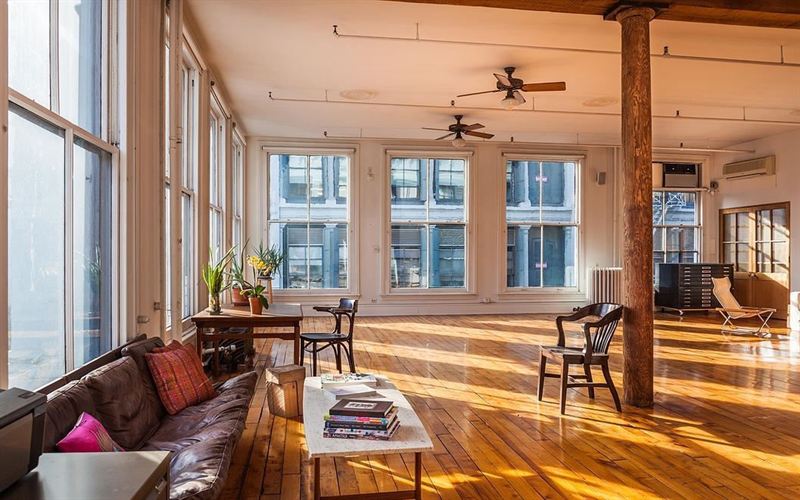
Tribeca grew around commerce, warehousing and the old Washington Market, leaving behind some of Lower Manhattan’s most substantial brick and cast-iron loft buildings. Those structures are a major part of the neighborhood’s event appeal because they offer broad windows, high ceilings and rooms that feel substantial without resorting to hotel styling. The streets themselves can be quieter than SoHo while still delivering the same Lower Manhattan sense of place. In a dense New York neighborhood, the final block often determines whether the arrival feels polished, residential, industrial or chaotic. For image-driven bookings, planners can browse Tribeca event center photo venues and then decide how much of the surrounding neighborhood should appear in the final look.

Large Loft Floors Reward Careful Building Selection

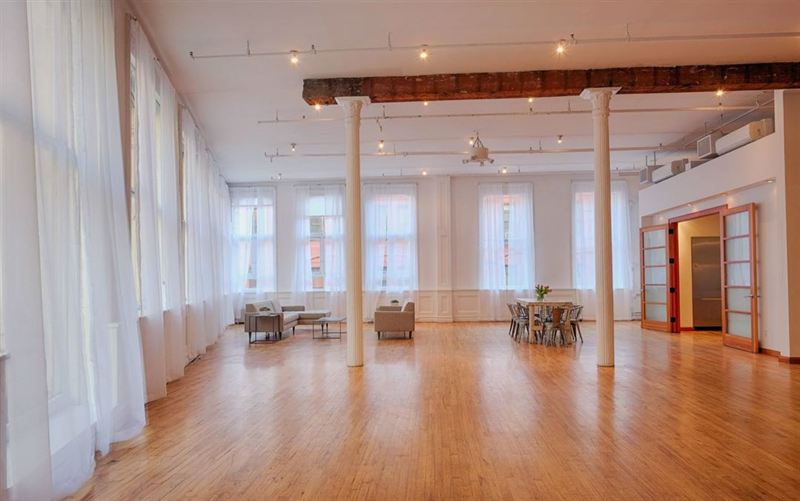
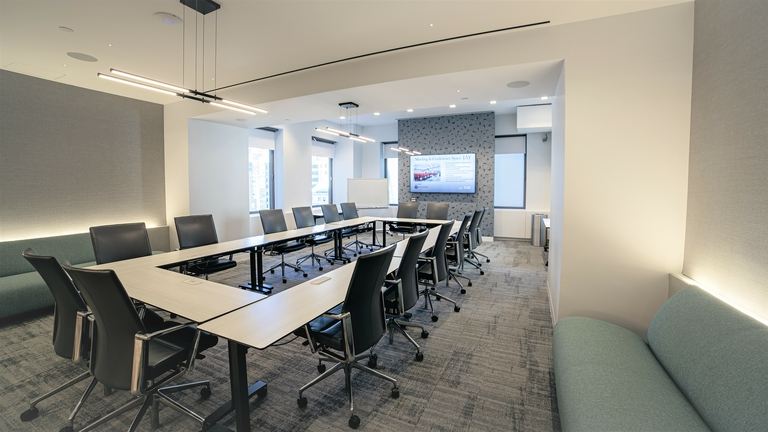
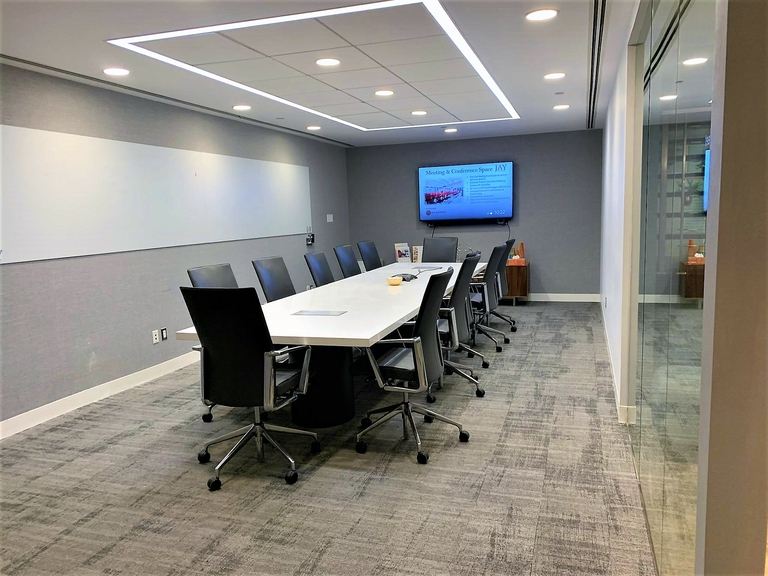
Meeting rooms, lofts and larger open-floor event spaces fit Tribeca naturally. Historic buildings can provide generous proportions, but the guest experience depends on how well the property has been adapted. A beautiful room on an upper floor needs elevators, restrooms and vendor circulation that match the event size. Outdoor or courtyard components can add value, especially when the schedule benefits from a quieter downtown block. Ask how rentals, food and staff reach the room, because a beautiful upper floor can lose much of its value when service circulation is awkward. For a more structured comparison, planners can review Tribeca meeting spaces. A different format is available by exploring Tribeca outdoor venues, which helps separate the building type from the neighborhood name.

Social Events Get a Polished Downtown Setting Without Midtown Crowds

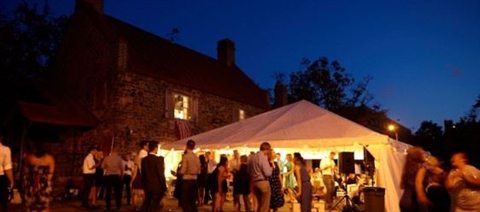
Tribeca has restaurants, hotels and a polished residential environment without the same retail crush found a few blocks north in SoHo. That makes it attractive for dinners, receptions and weddings where guests should feel they are in Manhattan but not necessarily in its busiest zone. The neighborhood is also close to the Hudson River and Lower Manhattan attractions, so out-of-town guests can build more around the event than a single venue address. Guest convenience should include the end of the night, not just the trip in; late trains, busy curbs and narrow sidewalks can change departure planning. For celebration-focused searches, planners can compare Tribeca event center party venues. Wedding-related bookings can also start with Tribeca event center wedding venues when guest flow and service needs are more formal.

Production Can Use Real Industrial History Instead of a Built Set

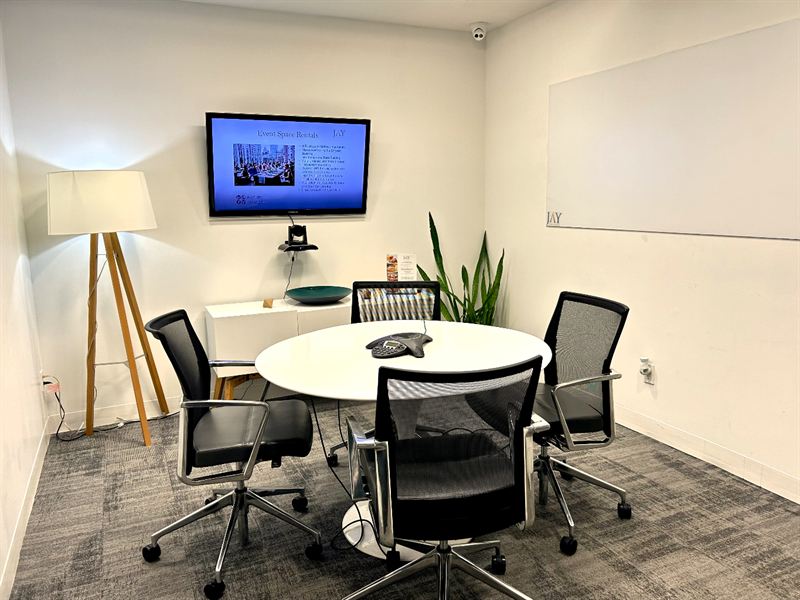
Photographers and film crews get authentic industrial architecture here: brick warehouses, cast iron, cobblestones and broad loft interiors. The difficulty is often movement rather than appearance. Freight elevators may have fixed hours, curb space can be limited, and old floors can require long pushes from loading areas. Confirm the equipment route from street to set before assuming an open loft is production-friendly. For crews, the useful question is not only whether equipment fits inside but whether it can move from vehicle to working area without blocking everyone else. For controlled creative work, teams can explore Tribeca event center production venues. For workshops, presentations and smaller group sessions, planners can also review Tribeca meeting and class venues.

SoHo, FiDi and Chelsea Each Pull the Search a Different Way

Nearby comparisons are useful because a short move can change the venue market quickly. For cast-iron lofts, retail and heavy pedestrian energy, planners can compare SoHo event venues. If the priority shifts toward office towers, rooftops, hotels and Lower Manhattan waterfront access, the search can expand to Financial District event venues. For galleries, the High Line and large west-side loft buildings, another useful comparison is Chelsea event venues. Tribeca remains distinctive when large historic lofts and a quieter, polished downtown atmosphere are the priority. These alternatives are geographically close, yet the building stock and transportation pattern can make them behave like completely different event markets.

Old Loft Buildings Need a Freight Plan, Not Just a Floor Plan

Tribeca is well connected by subway, but large vendor vehicles operate under a different set of constraints. Ask for elevator dimensions, loading times and whether there is a dedicated service entrance. Cobblestones and older sidewalks slow rolling cases, while downtown traffic can make a short delivery route unexpectedly long. For waterfront-adjacent events, wind should also be part of the outdoor backup conversation. Walking the route from curb to room with the venue manager is one of the fastest ways to expose hidden friction. For larger bookings, request a written floor plan and vendor schedule so elevator, curb and building-management rules are settled before rentals arrive. If alcohol or amplified sound is involved, confirm the building’s own policies rather than assuming the neighborhood’s nightlife rules apply inside the venue.