Menu

Event and Production Venues near Chinatown, CA
Edit Search

1-18 of 513 listings

Explore Chinatown

Chinatown's Plazas Give Events a Setting Before the Doors Open

Los Angeles Chinatown has a visual identity that starts before a guest enters the venue. Central Plaza, historic storefronts, neon, restaurants and the neighborhood's compact street pattern make it feel distinct from the office towers a few blocks south. The current Chinatown was established in 1938, and much of its appeal comes from the way older architecture and newer businesses share the same plazas. For events built around food and conversation, planners can start with Chinatown restaurants and bars. The A Line stops at Chinatown Station and Union Station is close enough to matter for guests coming from other parts of the region. That combination makes the neighborhood unusually legible for Los Angeles: people can understand where they are almost immediately.

Courtyards and Flexible Event Rooms Fit the Neighborhood's Scale

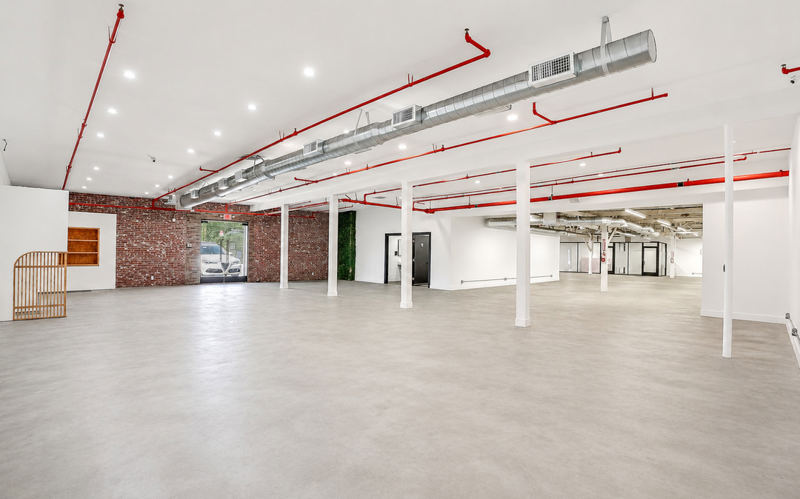
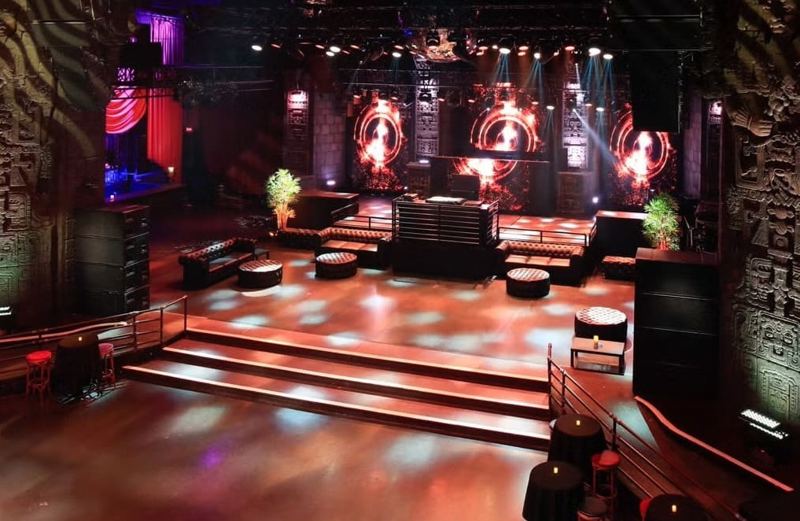
Chinatown is better suited to spaces with character than to anonymous rooms that could sit anywhere. Courtyards, patios and open-air areas can use the neighborhood's architecture and evening atmosphere instead of hiding it, so planners can compare Chinatown outdoor venues. For larger programs that need a stage, registration or more control over the floor plan, they can browse Chinatown event centers. Before booking, walk the route from curb to room. A venue tucked into a plaza may be memorable for guests but less simple for rental deliveries or catering carts. Ask when vendors can enter, whether elevators or stairs are involved and what parts of a shared courtyard remain public during the event.

Food Can Be Part of the Celebration Instead of an Add-On

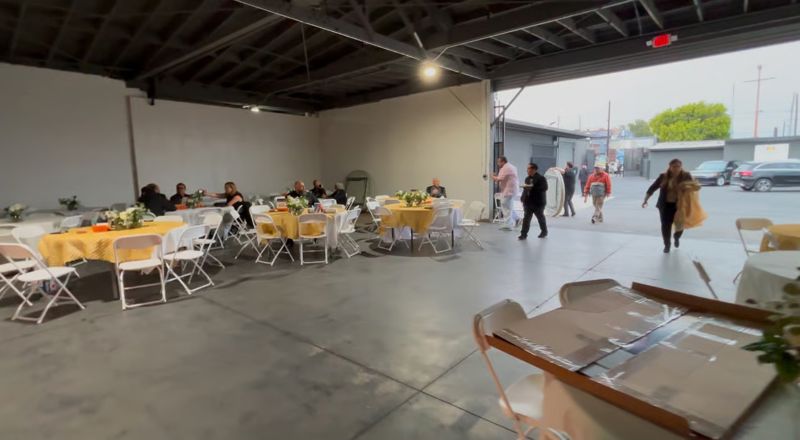
Chinatown's restaurant culture makes it easy to build a social event around food rather than treating catering as a separate production. For birthdays, receptions and family gatherings, planners can compare Chinatown party and celebration venues. When the event is primarily dinner, drinks and conversation, another useful search is Chinatown restaurants and bars for parties. The neighborhood works especially well when guests are allowed to experience it before or after the private booking. A group can arrive by rail, meet in the plaza or continue elsewhere nearby without every movement requiring another car. The tradeoff is that busy dining periods can put more pressure on parking and curb space, so a private-room reservation should still come with clear arrival instructions.

Chinatown Gives Cameras a Look That Reads Immediately

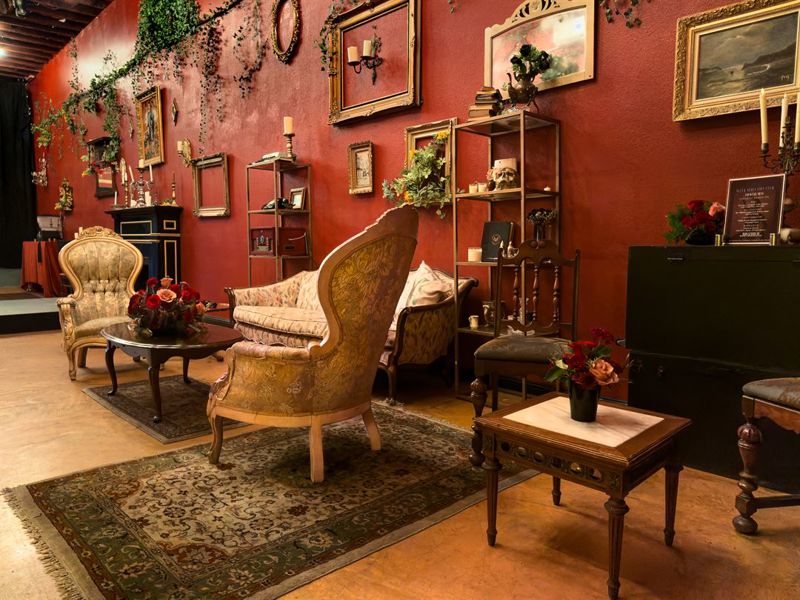
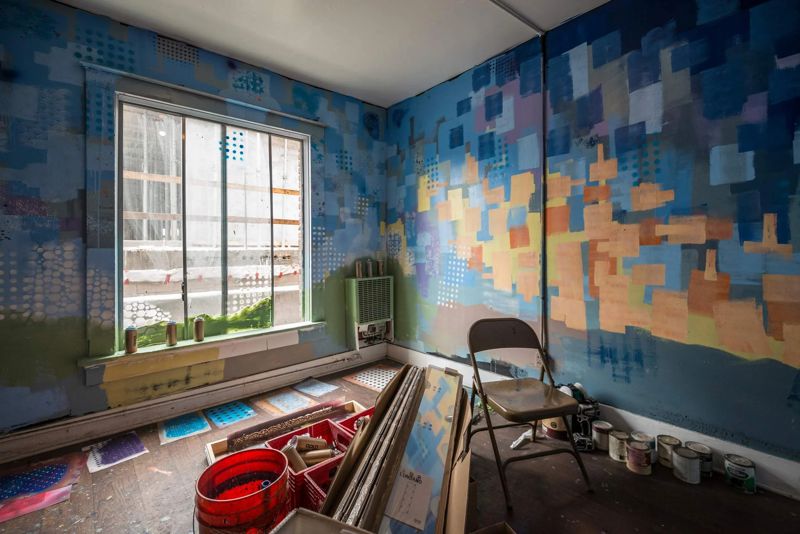
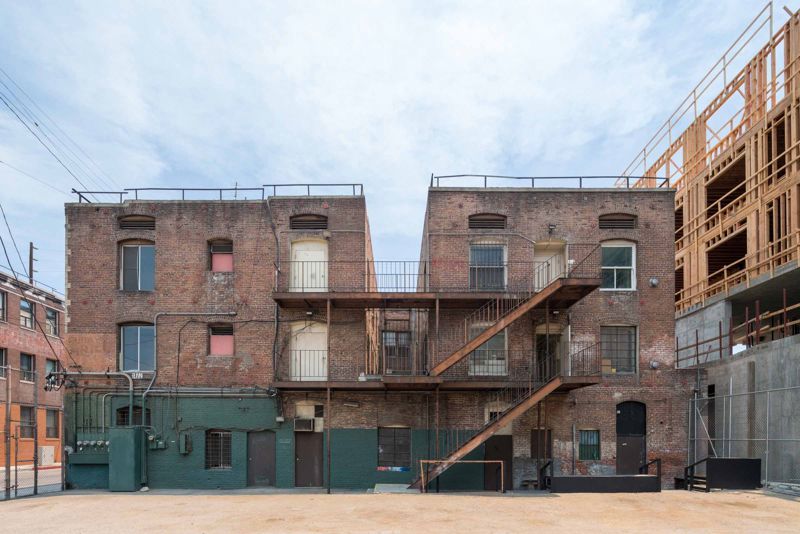
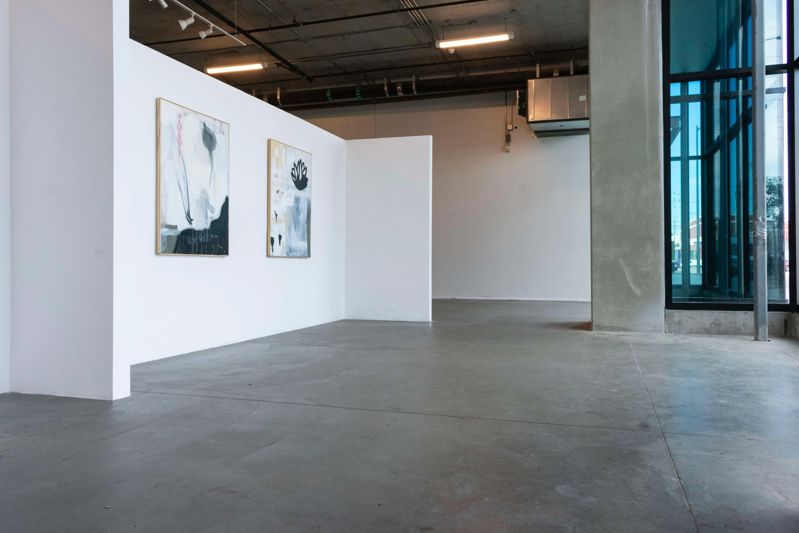
For cameras, Chinatown offers details that read quickly: tiled roofs, neon, narrow storefronts, plazas, stairs, signs and the contrast between historic buildings and the downtown skyline nearby. Still photographers can browse Chinatown photo shoot locations. Crews that need a more controlled interior can compare Chinatown studios for film and video production. The best scout looks beyond the obvious Central Plaza angle. Check side streets, upper floors, alleys and the direction of afternoon light. For video, listen for traffic, restaurant activity and trains. Production vehicles also need a real loading plan because a compact urban block can leave very little room for cases, carts and talent holding once the sidewalk becomes busy.

Downtown, the Arts District and Elysian Valley Offer Different Alternatives

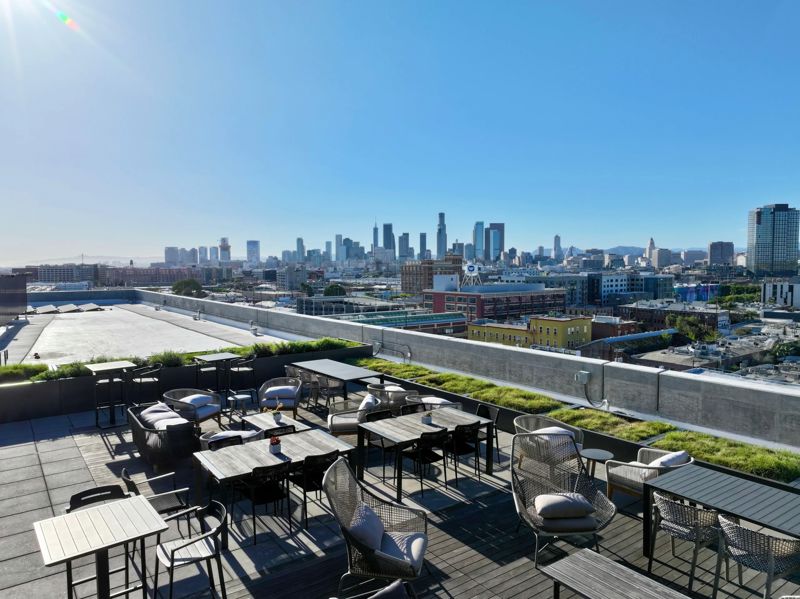
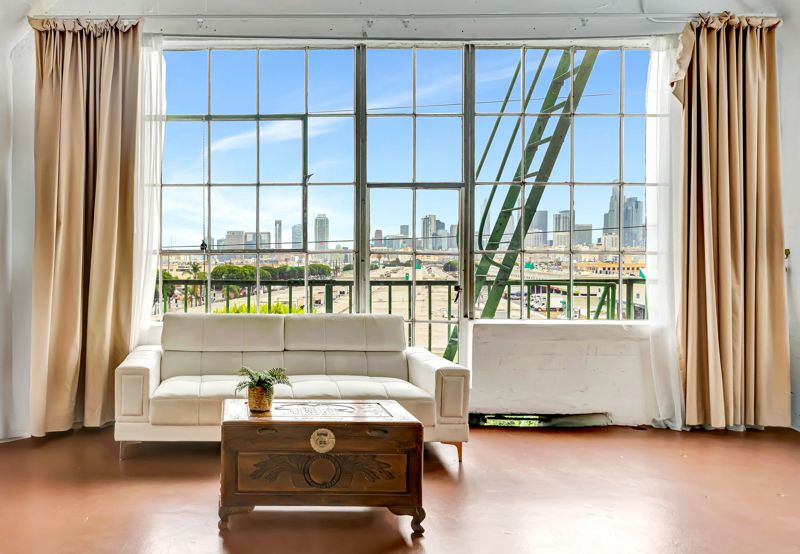
The closest alternatives solve very different problems. Planners can compare Downtown Los Angeles event venues when hotels, office towers, convention activity and a wider range of large urban rooms matter most. A few minutes east, the search can shift to Arts District event venues for warehouse architecture, lofts and a stronger industrial-production feel. North along the river, another useful comparison is Elysian Valley event venues when smaller creative spaces, outdoor settings and the LA River are more important than rail access or downtown density. Chinatown sits between those choices with a compact historic core, strong restaurant identity and easy connection to Union Station. The best market depends on whether the event needs hospitality infrastructure, raw space or neighborhood character.

Dodger Games, Parking and Deliveries Can Change the Easy Route

Chinatown can look easy on a map because it sits beside several freeways and major transit, but the last few blocks deserve attention. Dodger Stadium events can change traffic and parking demand north of downtown, and game-day routing can affect streets around Chinatown even when the venue is not close to the stadium gate. For large events, check the baseball calendar before setting vendor arrival times. Parking lots and meters may be available, but guests should receive a specific recommendation rather than being told simply to "park nearby." Deliveries need even more precision. Confirm which door is legal for loading, how long a van can stay there and whether restaurant or plaza activity competes for the same curb. In Chinatown, the regional trip can be easy while the final hundred feet are the complicated part.