Event and Production Venues near Arts District, CA
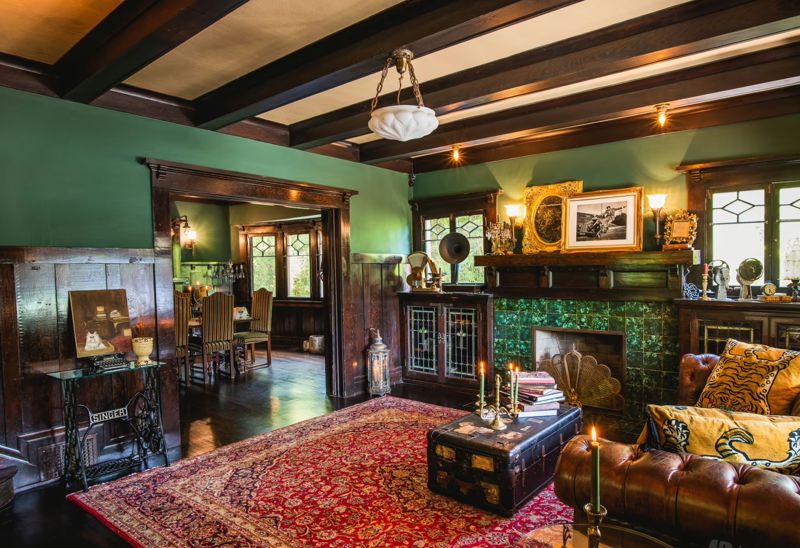 House
Historic West Adams House with Woodwork, Fireplaces and Period Detail
House 80 guests
West Adams, CA
from
$200
/hr
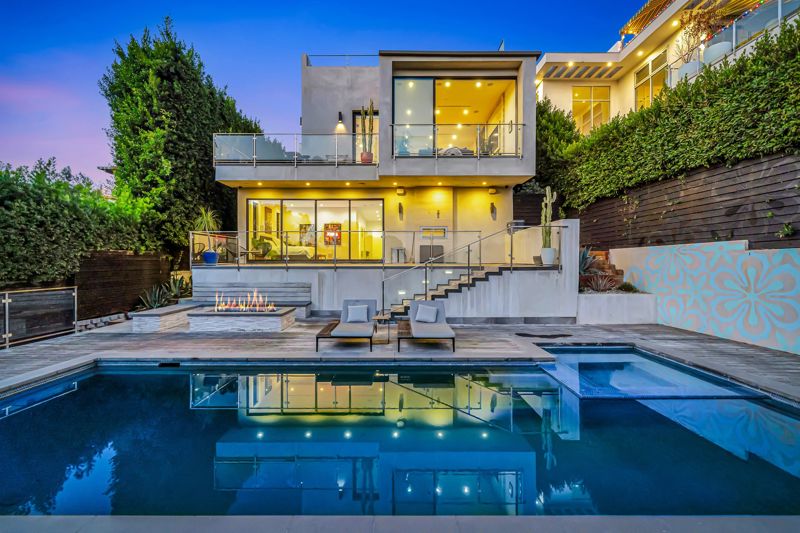 Mansion
Silver Lake Mansion with Warm Residential Style and Outdoor Space
Mansion 50 guests
Los Angeles, CA
from
$125
/hr
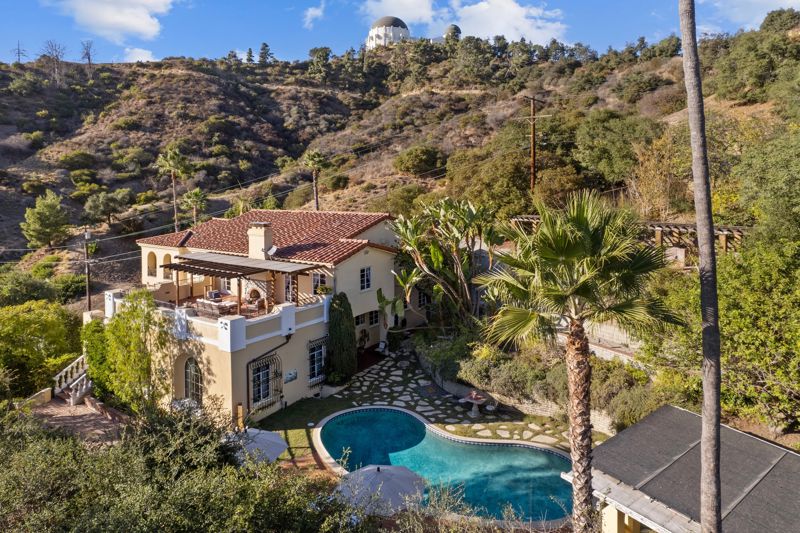 Mansion
Mediterranean Hillside Mansion with Pool, Gazebo and Canyon Views
Mansion 75 guests
Los Angeles, CA
from
$135
/hr
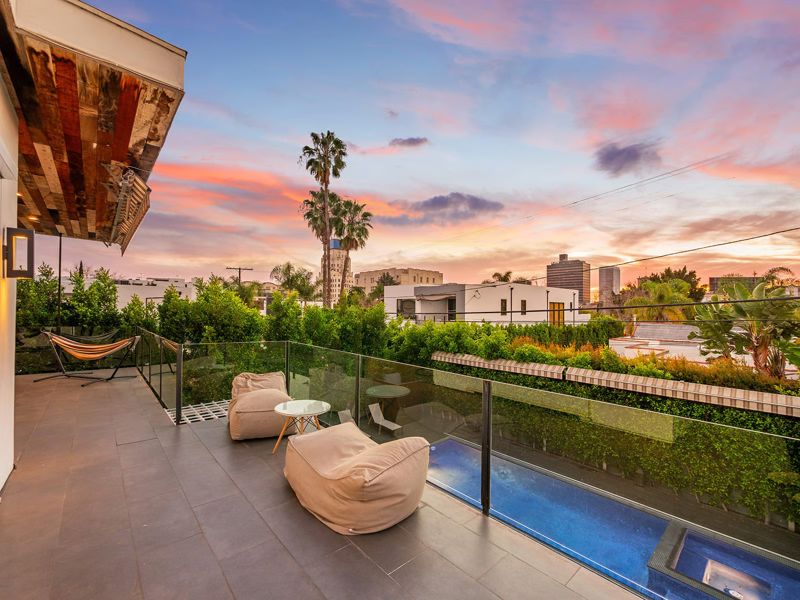 Mansion
Luxury Mid-city Mansion with Zero-edge Pool, Gazebo and Balcony
Mansion 60 guests
Los Angeles, CA
from
$125
/hr
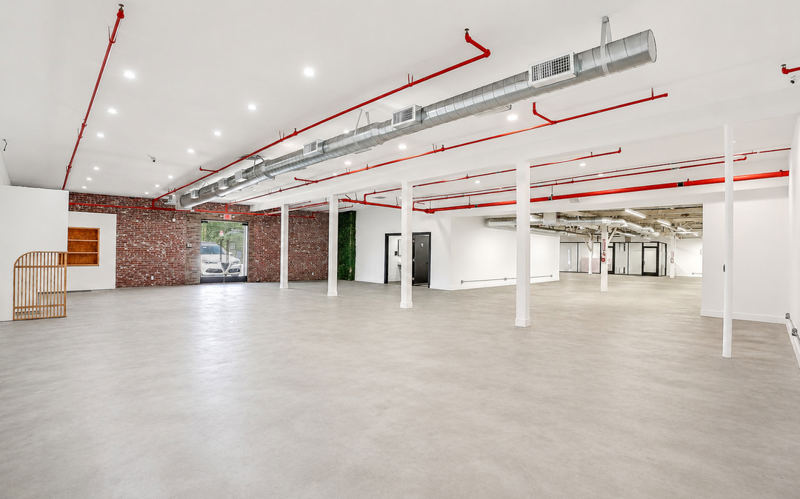 Event Space
Downtown Creative Event Space with Parking and Flexible Layouts
Event Space 500 guests
Los Angeles, CA
8 hrs for
$1,000
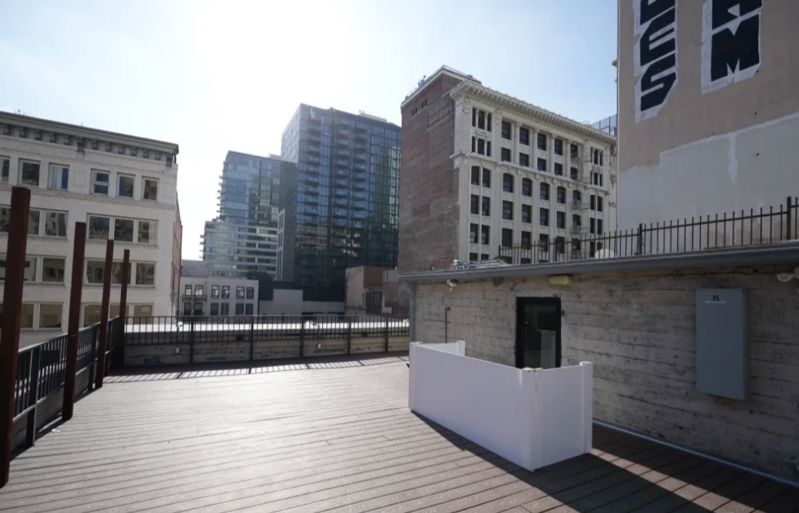 Rooftop
Modern Downtown LA Rooftop for Events and Productions
Rooftop 2,000 sf 25 guests
Downtown Los Angeles, CA
from
$500
/hr
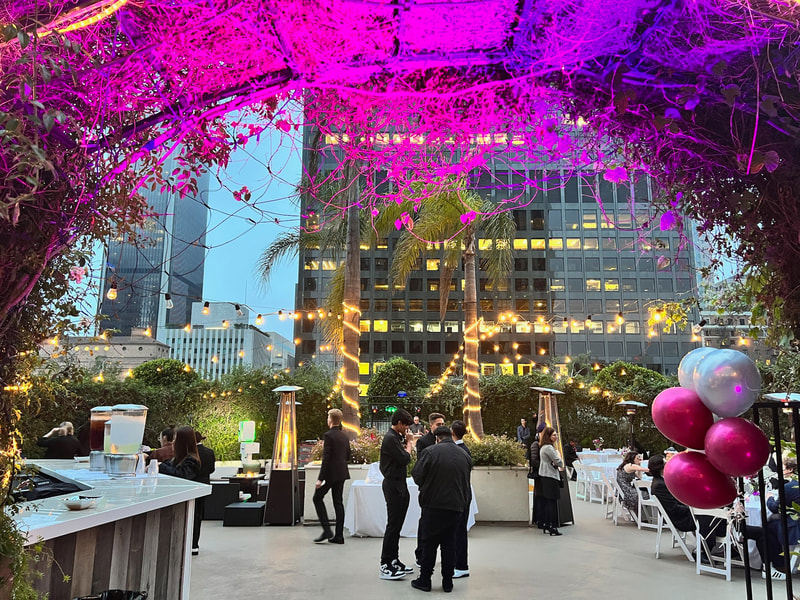 Brewery
Fourth-floor Garden with Fire Pits and a Private Bar
Brewery 300 guests
Los Angeles, CA
from
$130
/hr
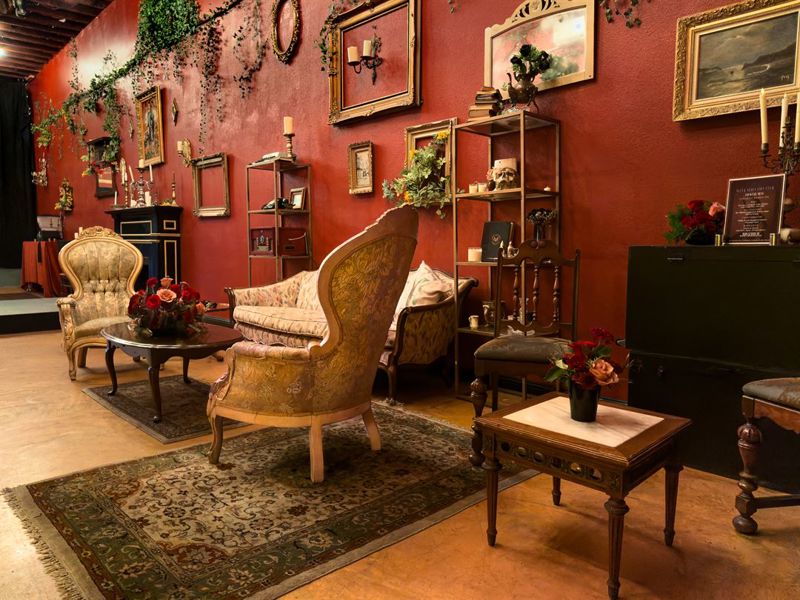 Banquet Hall
Gothic, Spooky, Unique Victorian Event Venue in LA
Banquet Hall 3,700 sf 250 guests
Downtown Los Angeles, CA
from
$264
/hr
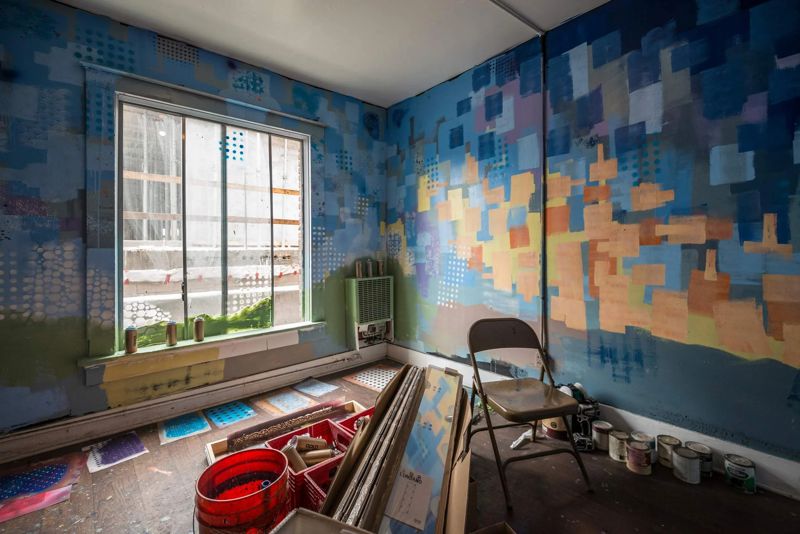 Themed Location
Historic Motel Production Location with 42 Rooms
Themed Location 75 guests
Los Angeles, CA
from
$135
/hr
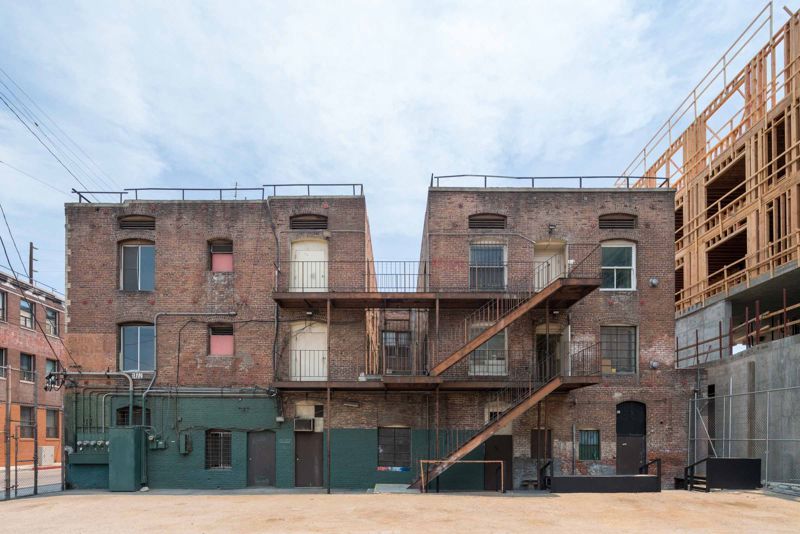 Themed Location
Historic Downtown LA Dive Bar with Original Fixtures
Themed Location 100 guests
Los Angeles, CA
from
$150
/hr
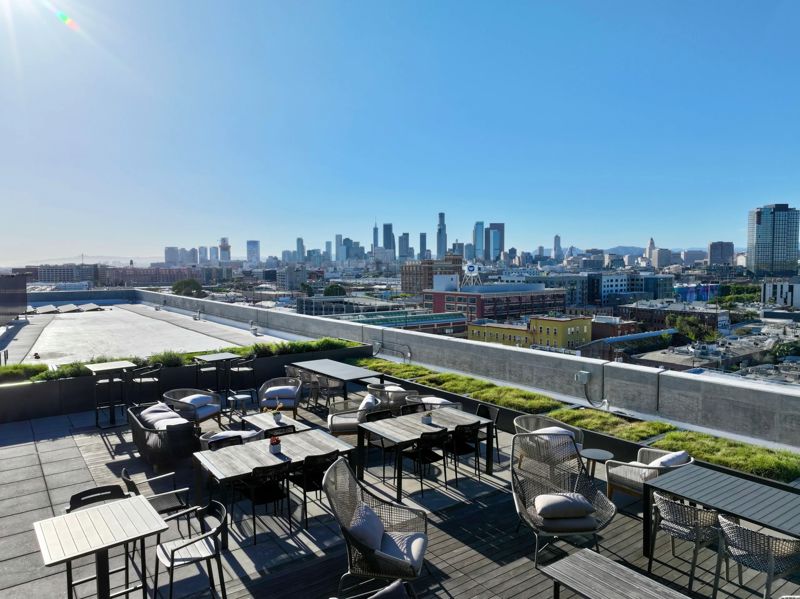 Rooftop
Downtown LA Rooftop Lounge with Skyline Terrace Views
Rooftop 100 guests
Los Angeles, CA
from
$150
/hr
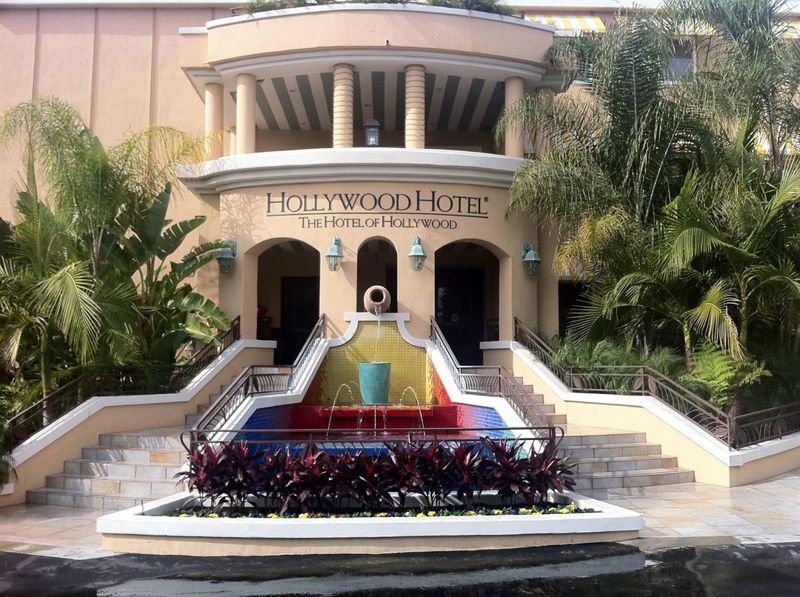 Boutique Hotel
Classic Hollywood Hotel with Courtyard, Lounge and Event Rooms
Boutique Hotel 150 guests
East Hollywood, CA
from
$300
/hr
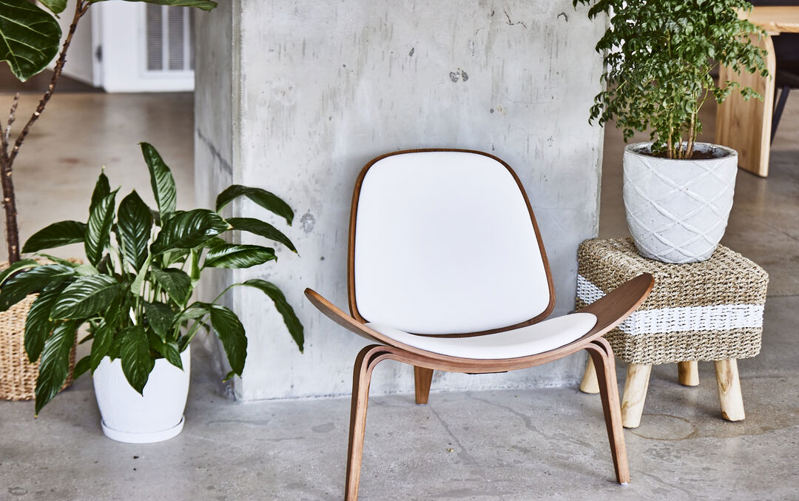
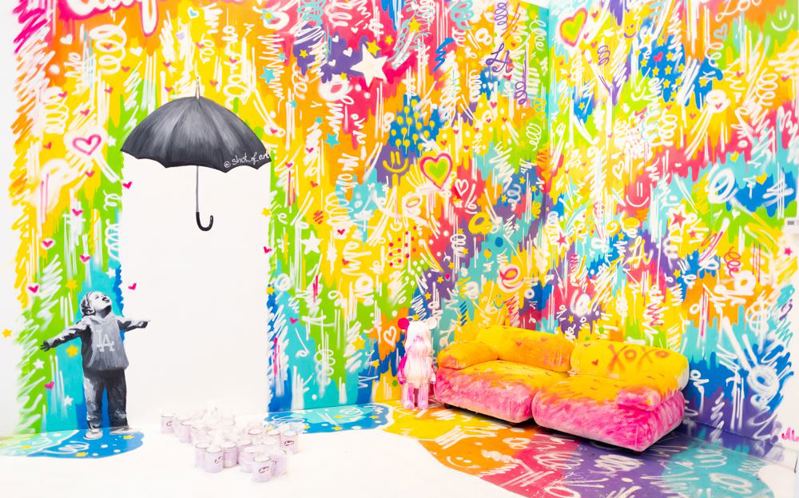 Art Studio
Interactive Art Studio with Paint Experiences and Event Rooms
Art Studio 100 guests
Los Angeles, CA
1 hr for
$1,500
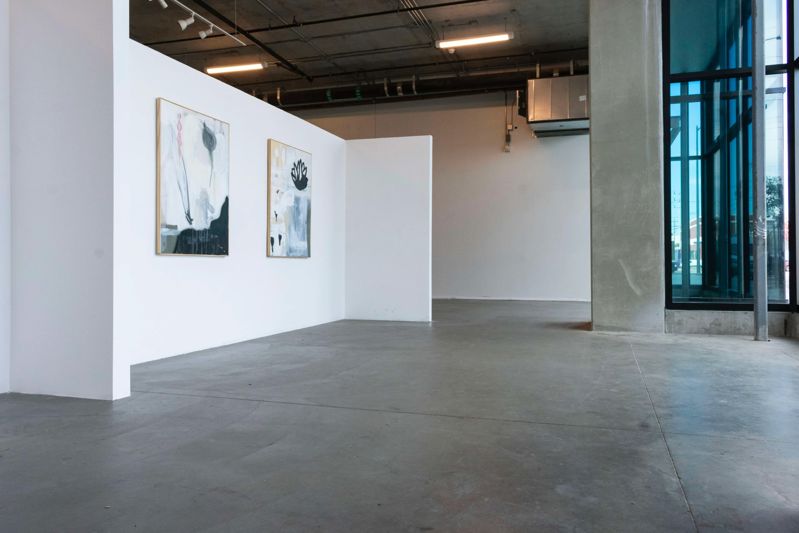 Event Space
Large Arts District Gallery Loft with Rooftop Access
Event Space 150 guests
Los Angeles, CA
from
$170
/hr
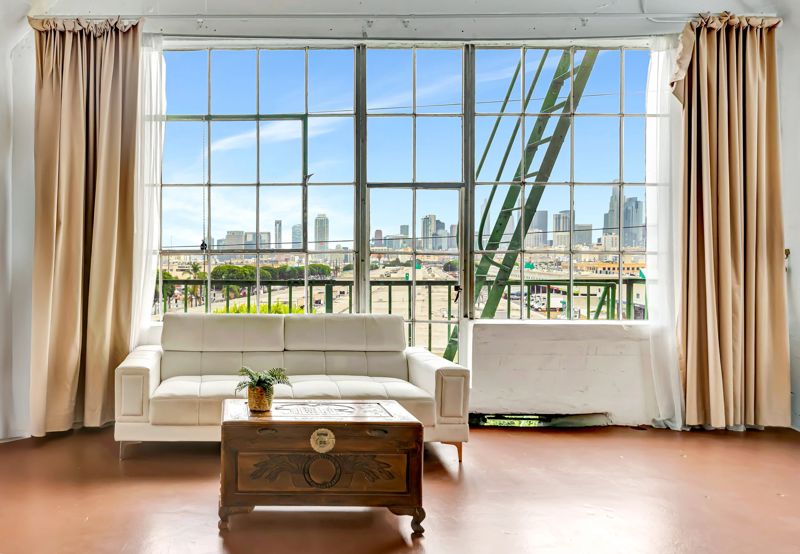 Photo Studio
Downtown LA Photo Studio with Skyline Light and Gear Access
Photo Studio 25 guests
Los Angeles, CA
from
$125
/hr
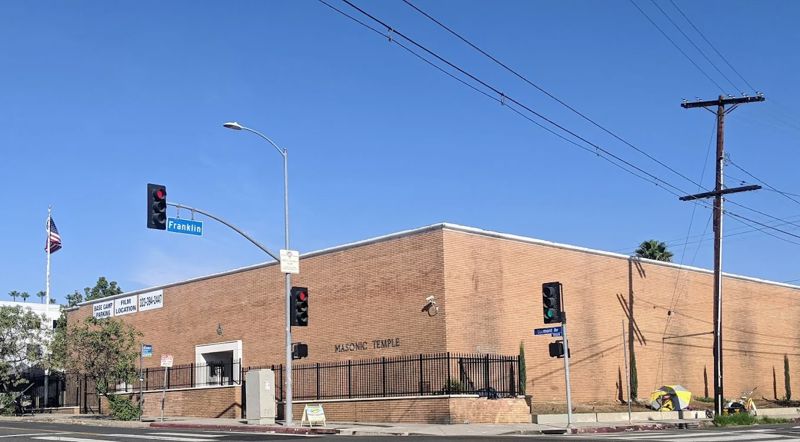 Event Space
Los Feliz Masonic Hall with Stage, Kitchen and Film Rental Use
Event Space 400 guests
East Hollywood, CA
from
$300
/hr
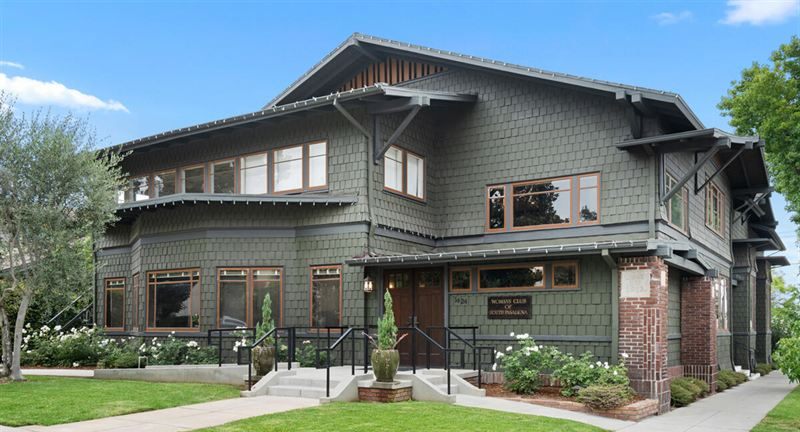 Clubhouse
Classic South Pasadena Clubhouse for Private Events
Clubhouse 200 guests
South Pasadena, CA
from
$365
/hr
Explore Arts District venues
Explore Arts District
The Arts District still works because the industrial bones are visible
The Los Angeles Arts District grew out of a real industrial landscape, and the neighborhood still carries that history in brick warehouses, loading doors, rail-era buildings and broad utilitarian interiors. The district's later artist community layered murals, galleries and creative businesses onto that building stock rather than erasing it. For dinners and receptions that want the neighborhood outside the room to matter, planners can start with Arts District restaurants and bars. The area works best when the event actually benefits from industrial character, walkable restaurants and a creative downtown setting. A polished ballroom placed inside the district without any relationship to those qualities may not be worth the parking and loading tradeoffs. Choose the Arts District because the building and streets are part of the concept, not because the name sounds fashionable.
Studios and event centers use the same buildings in very different ways
Warehouse buildings can serve events and productions, but those uses ask different things from the same shell. Planners can compare Arts District studios and sets when lighting control, equipment access and production support matter. For guest-heavy programs with registration, catering and a larger floor plan, browse Arts District event centers. A raw room should be inspected beyond the exposed brick. Check climate control, restrooms, power distribution, freight access and whether the floor is genuinely level enough for the planned furniture. Some former industrial buildings have excellent loading and others have been converted in ways that make equipment movement surprisingly awkward. Ask what happens in the building before your rental starts and after it ends, because neighboring tenants and shared docks can affect both sound and access.
Social events can borrow the neighborhood's restaurants and street life
The Arts District is particularly strong for parties and receptions where guests want to move between a private event and the surrounding neighborhood. Restaurants, breweries, galleries and Little Tokyo nearby can give the evening a second layer without adding a formal entertainment program. For birthdays and private gatherings, planners can compare Arts District party and celebration venues. For launches, fundraisers and public-facing programs, they can browse Arts District brand and public event venues. The guest experience still depends on the block. A venue surrounded by active restaurants feels different from one on a quieter industrial street after dark. Give attendees a specific parking or rideshare plan and make the entrance visually obvious, especially when several warehouse doors on the same block look nearly identical.
Brand events and productions should plan around loading, art and public activity
For cameras, the Arts District offers brick, concrete, murals, loading alleys, large windows and warehouse interiors without leaving central Los Angeles. Still teams can browse Arts District photo shoot locations. Film and commercial crews can compare Arts District film and production locations. The creative value is obvious, but control is not. Murals may require separate artwork permissions, public sidewalks remain active and neighboring businesses may generate sound during the shoot. A scout should document the freight route, power, roof access if relevant and the exact direction of natural light through large industrial windows. Brand events need similar discipline. If a custom installation arrives on a box truck, confirm that the loading door dimensions and dock access actually match the fabrication plan before the piece leaves the shop.
Downtown, Chinatown and Elysian Valley offer three different alternatives
Three nearby markets solve different problems. Planners can compare Downtown Los Angeles event venues when hotels, rooftops, theaters and a broader urban inventory matter more than staying inside the warehouse district. North, the search can expand to Chinatown event venues for plazas, restaurants, rail access and a denser historic streetscape. Farther up the river, another useful comparison is Elysian Valley event venues when smaller creative buildings and a quieter LA River setting are more important than large industrial rooms. The Arts District is strongest when warehouse architecture and creative identity are central to the event. If the brief mainly needs guest lodging, transit, or a more intimate residential feel, one of the neighboring markets may simplify the day.
An old warehouse is only valuable when the building systems work
Old industrial buildings reward careful walkthroughs. Test the HVAC when the room is occupied, count restrooms, locate electrical panels and measure doors instead of relying on a floor plan. Ask whether the freight elevator is exclusive, shared or operated only by building staff. If guests are wearing formal clothes, look at the condition of the walk from parking to entrance, not just the interior. Evening events should confirm security and lighting around side streets and loading areas. Productions need a place for crew meals, wardrobe and cases that does not consume the shooting floor. The Arts District can give an event enormous visual value before a single piece of decor arrives, but the best warehouse is the one whose invisible systems are as usable as its visible walls.