Explore Syracuse venues
Explore Syracuse
What Makes Syracuse Distinct for Events and Productions
Syracuse is a city whose event geography is shaped by two major forces: the Erie Canal and Syracuse University. The canal once ran through the center of the city, and downtown places such as Clinton Square, the Erie Canal Museum, Hanover Square, and the street pattern still reflect that history. University Hill creates a second powerful activity center anchored by Syracuse University and the JMA Wireless Dome, which draws large crowds for sports, concerts, commencements, and campus events. Armory Square adds a nightlife and restaurant district within downtown, while the Onondaga Creekwalk links several central neighborhoods and the Inner Harbor. That mixture makes Syracuse meeting and team-event venues useful for academic programs, association meetings, training, nonprofit work, and regional business gatherings. Syracuse feels more like a self-contained upstate city than a suburb, so planners can build an itinerary around distinct neighborhoods rather than relying on one hotel or banquet property to provide the entire experience.
Venue Types That Fit Syracuse
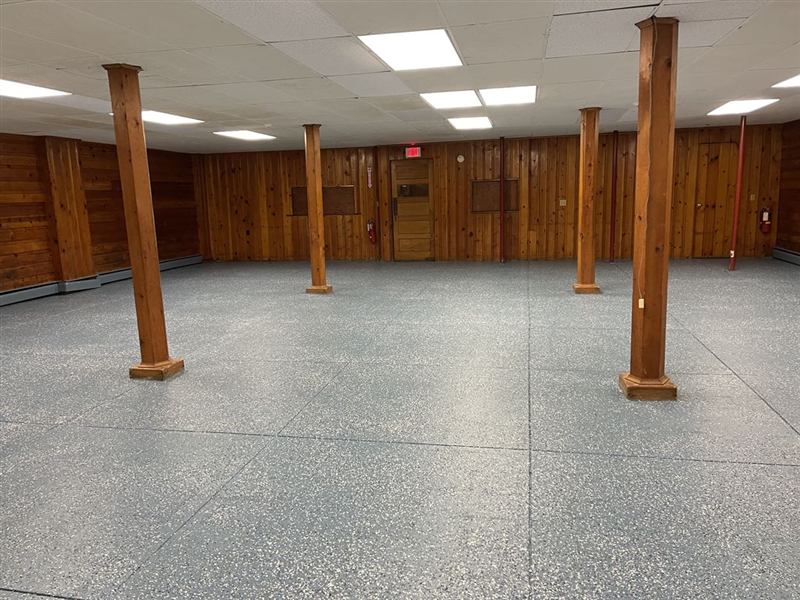
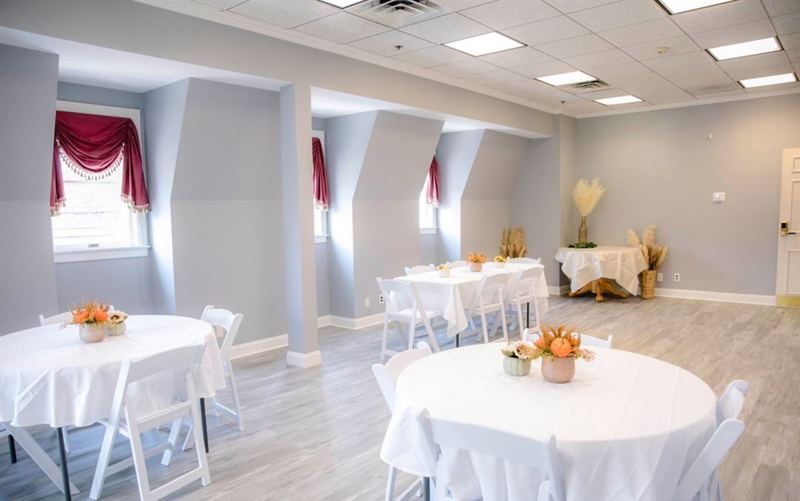
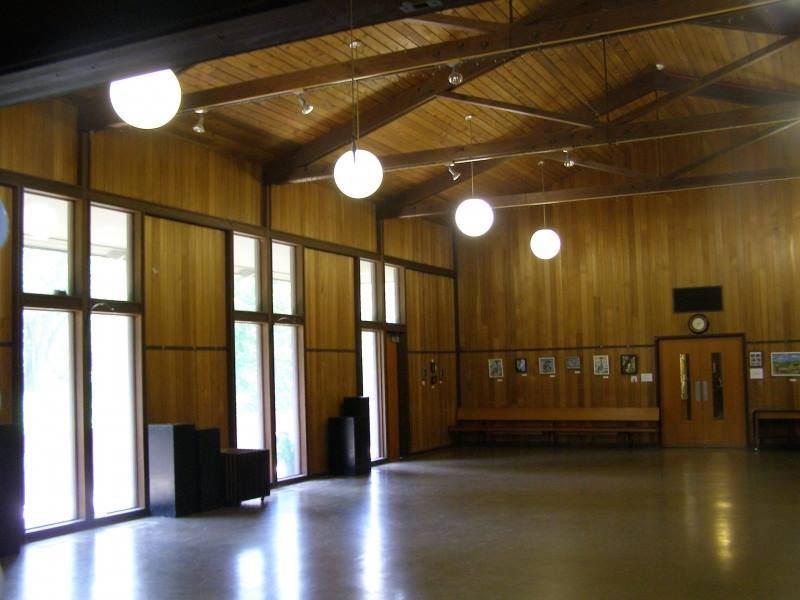
Syracuse has a broad event ecosystem even when individual VenueMagnet categories are still developing. Planners can compare Syracuse event centers for flexible gathering rooms, community programs, receptions, and larger meetings. For seminars, training, classroom layouts, or team programs, planners can use Syracuse event-center meeting venues as a more focused route. Downtown offers hotels, restaurants, and historic architecture within a relatively compact area, while University Hill is better for events tied to campus audiences, lectures, athletics, or visiting families. Armory Square can support dinners and nightlife around an event, and the Inner Harbor offers a different postindustrial-waterfront setting. Properties outside downtown may provide simpler parking and loading, which can matter for larger productions or regional guests arriving by car. Syracuse's useful venue question is often neighborhood first, room second: a downtown conference, campus-adjacent program, and suburban-edge reception can have very different transportation and guest-experience needs.
Weddings, Parties, and Guest-Facing Events
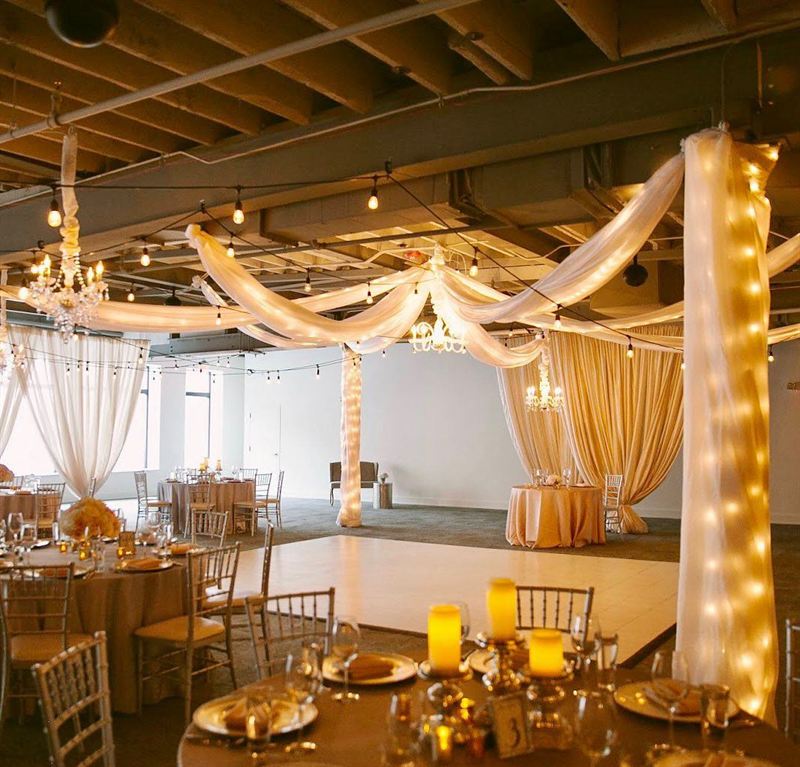
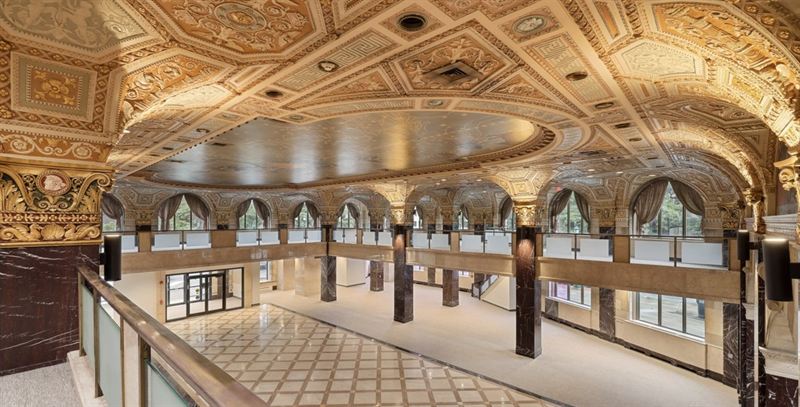
Syracuse works well for celebrations because it is a regional hub for central New York rather than a single-purpose destination town. Families can browse Syracuse party and celebration venues for birthdays, graduations, reunions, showers, and milestone dinners. Couples can compare Syracuse wedding venues for ballrooms, event centers, historic interiors, and community-oriented spaces. University calendars matter: commencement, major games, family weekends, and large Dome events can affect hotel rates, restaurant reservations, and traffic even when the wedding has no connection to Syracuse University. Downtown photographs can use the city's canal-era architecture, Clinton Square, or older commercial districts, while off-site photography should be cleared where permits or private-property access apply. Syracuse is especially practical for families spread across upstate New York because it sits at a major highway crossroads. The city can support a full weekend without requiring guests to travel to a resort area, but hosts should choose lodging based on the actual event district rather than assuming every Syracuse destination is equally close.
Meetings, Productions, and Technical Uses
Syracuse's public-event and production possibilities benefit from the city's strong institutional and historic character. Nonprofits, brands, and civic organizations can explore Syracuse public and fundraising venues for fundraisers, community programs, launches, and audience-facing gatherings. Production teams can search Syracuse production venues for spaces that permit interviews, commercial shoots, audio work, or small narrative projects. The city can supply canal-era masonry, downtown streets, University Hill, older industrial areas, residential neighborhoods, snow-season exteriors, and modern arena or campus context within a short radius. Crews should arrange permissions for university property, museums, transit facilities, and recognizable private interiors. Technical meetings should also plan around weather: Syracuse winters can bring significant snow, which affects deliveries, guest arrival, and exterior work. The city's advantage is authenticity. It can read as historic upstate, college town, postindustrial city, or regional civic center without needing to leave the metro area.
How Syracuse Compares with Nearby Markets
Syracuse occupies a useful position between smaller central-New York cities and larger upstate markets. Planners can compare Auburn venue options for a smaller historic city west of Syracuse that can suit more intimate regional gatherings. Planners can compare Ithaca venue options for a college-town and Finger Lakes environment shaped by Cornell, Ithaca College, gorges, and a more destination-oriented landscape to the south. For a much larger western-New York market with broader corporate, cultural, and venue inventory, planners can compare Rochester venue options. Syracuse sits between them in both scale and geography. It has the university energy of Ithaca but a larger urban downtown, while remaining more compact than Rochester. Auburn can be useful when a smaller-town atmosphere is part of the goal. For statewide or regional groups, Syracuse's highway access and central location often make it the practical meeting point, especially when the event also benefits from campus resources, sports, or the city's Erie Canal identity.
Practical Booking and Operating Considerations
Syracuse event planning starts with the calendar and the weather. JMA Wireless Dome events, Syracuse University weekends, conventions, festivals, and major downtown programs can change hotel availability and traffic quickly. Winter events need realistic snow plans for guest travel, loading, and parking; a beautiful older building can still be a poor choice if the accessible entrance or loading route is difficult in bad weather. Downtown venues should clarify parking arrangements because some guests will use garages rather than dedicated lots. Production crews need indoor holding and weather protection during cold months, and should confirm snow-removal or street-control expectations for exterior work. If guests are moving between University Hill, Armory Square, and downtown hotels, build travel time into the schedule rather than treating them as one continuous district. For historic buildings, ask about elevators, power, HVAC, and loading. Syracuse rewards planners who use its neighborhoods and history deliberately while accounting for the operational realities of an upstate city.