Explore Buffalo venues
Explore Buffalo
Planning an Event or Production in Buffalo
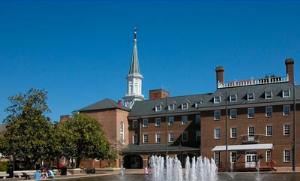
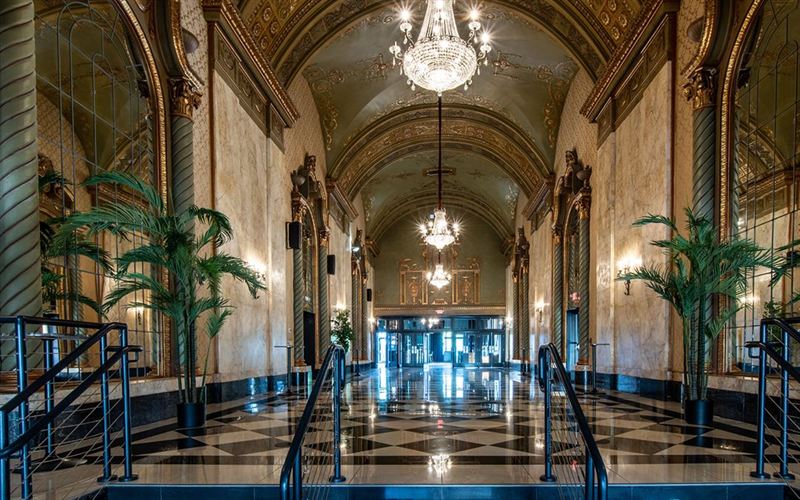
Buffalo has a venue market shaped by a mix of historic architecture, urban neighborhoods, waterfront activity, and a strong local event culture. That gives planners choices ranging from polished reception spaces to adaptive-use buildings and larger multipurpose properties. For hosts who want a straightforward place to compare flexible rooms, planners can start with Buffalo event centers and then narrow by guest count, layout, and neighborhood. Buffalo’s scale is useful because events can feel distinctly urban without requiring the same logistics as a much larger city. Downtown, the waterfront, and surrounding neighborhoods can each support different styles of gathering, so location should be matched to where guests are staying and how they will travel. Seasonal planning matters as well: indoor backup, coat storage, covered arrival areas, and winter transportation can be meaningful considerations. The strongest Buffalo bookings usually pair the city’s architectural character with practical access and a realistic weather plan.
Venue Types That Stand Out in Buffalo
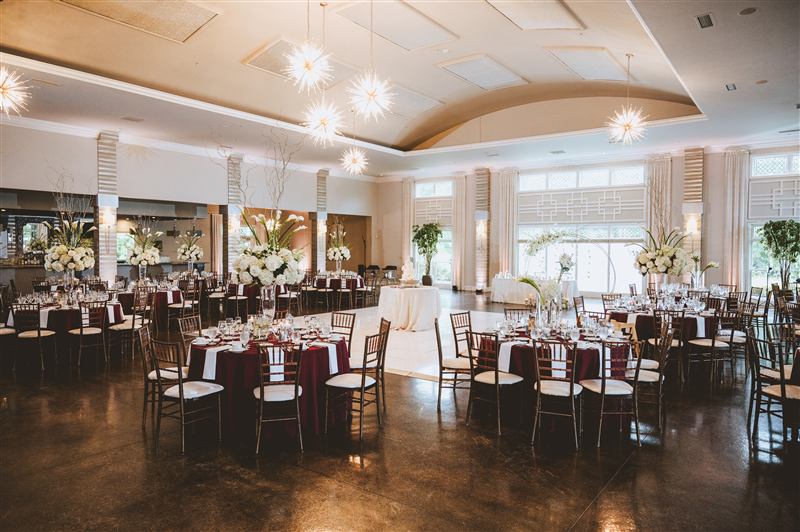
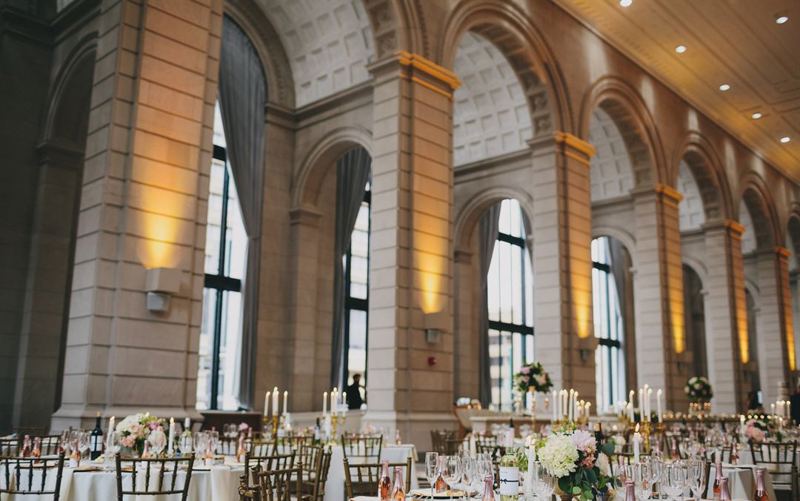
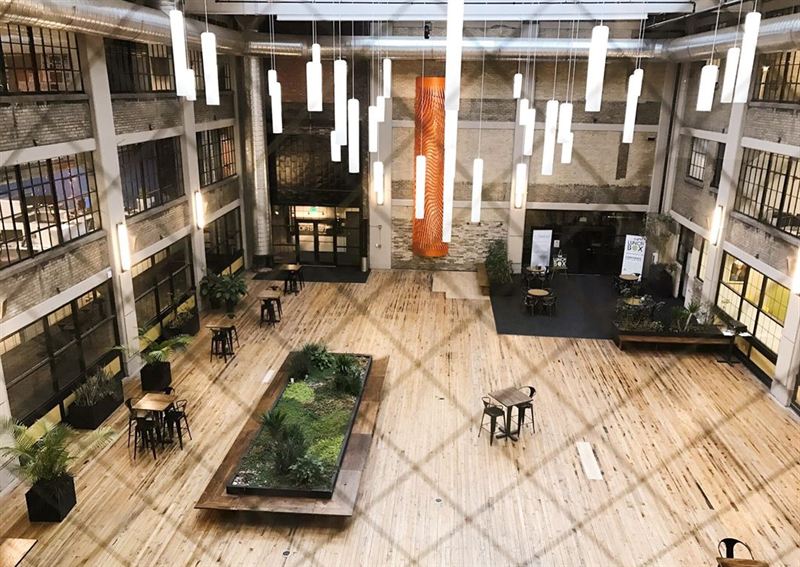
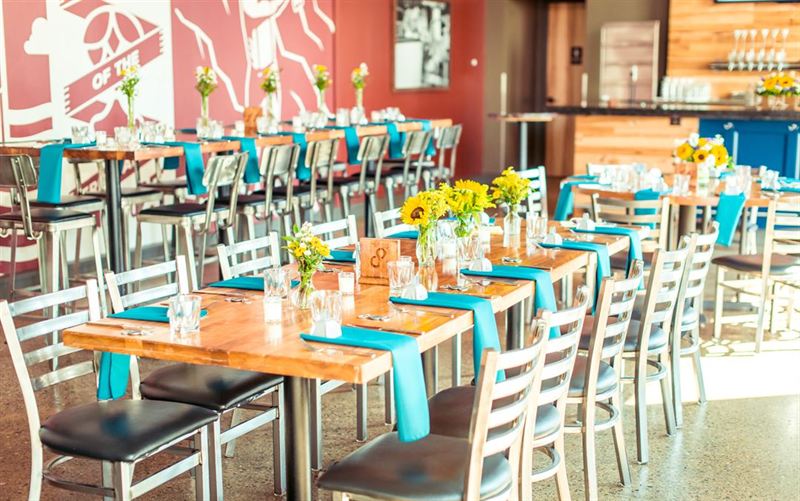
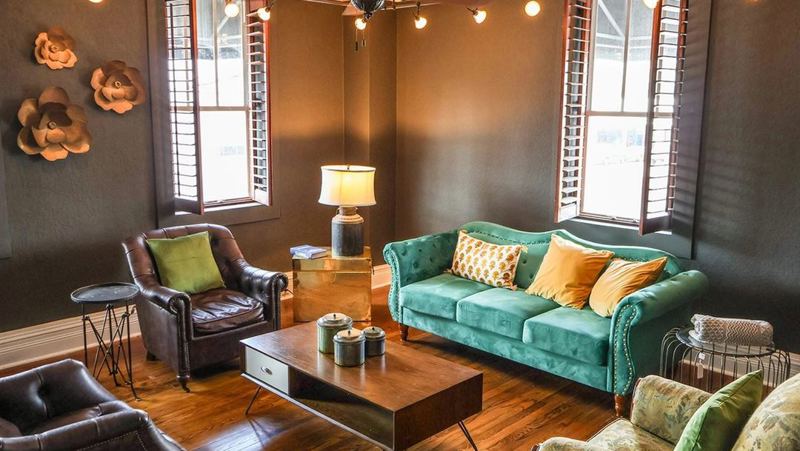
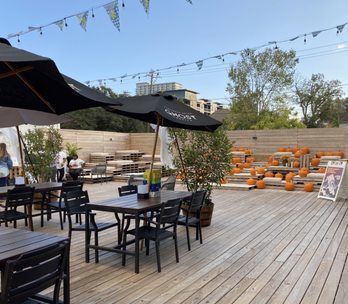
Buffalo’s most useful venue types include event centers, restaurants and bars, theaters, ballrooms, outdoor properties, and spaces that take advantage of the city’s relationship with the water. Planners looking for fresh-air components can explore Buffalo outdoor venues, while events that benefit from views or a stronger sense of place can consider Buffalo waterfront venues. These categories serve different needs: a ballroom may simplify catering and dancing, a restaurant can reduce vendor coordination, and a theater can provide built-in audience orientation and technical infrastructure. Historic or converted buildings can add visual character but may require more questions about accessibility, elevators, power, and loading. Buffalo planners should also compare how much of the venue is truly private during the booking. A compact restaurant room may work beautifully for a dinner, while a larger event center is more appropriate when the schedule includes registration, cocktails, presentations, dining, and entertainment in separate zones.
Weddings, Parties, and Guest-Facing Events
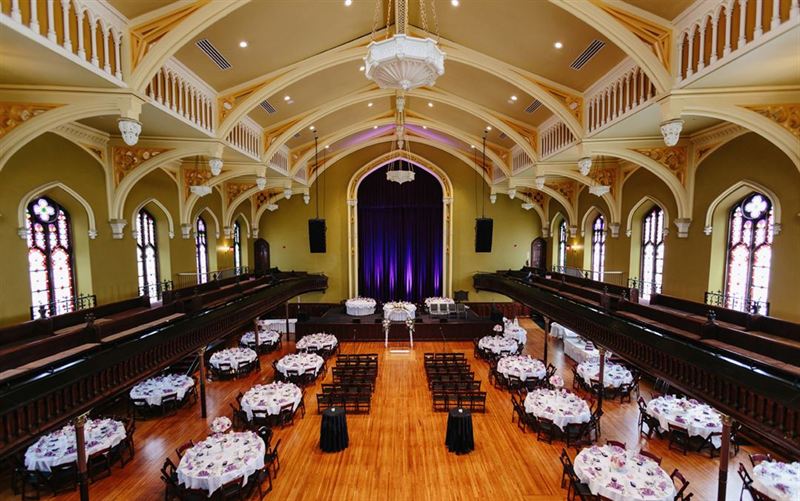
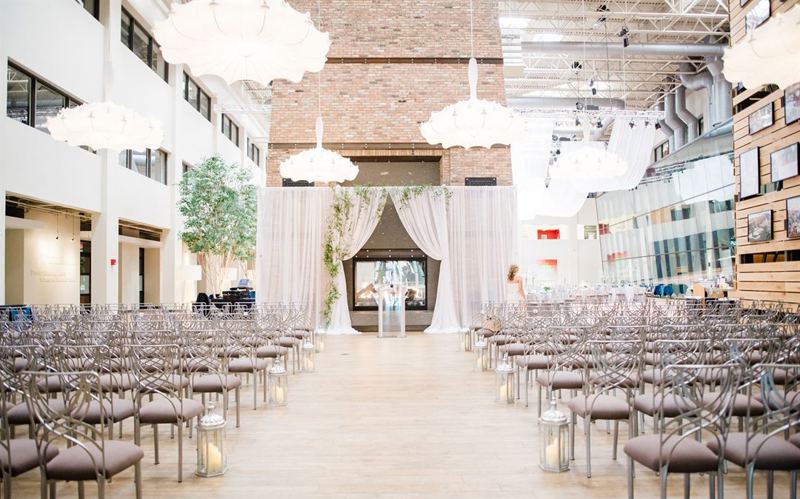
Buffalo supports a wide range of guest-facing events, especially weddings, birthdays, showers, fundraisers, reunions, and company celebrations. Couples can compare Buffalo wedding venues to see how different property types handle ceremony, dinner, and dancing, while hosts planning a social event can explore Buffalo restaurant party venues when food service and a built-in atmosphere are priorities. The guest experience often depends on small operational choices: convenient parking, a clear entrance, coat-check capacity in colder months, accessible restrooms, and a sensible transition between cocktail and seated portions. For events with out-of-town attendees, proximity to hotels and major routes can outweigh a small difference in rental rate. Buffalo’s local character also makes it worthwhile to choose a space that feels connected to its neighborhood rather than interchangeable with any banquet room. When the venue contributes to the experience, decorations can be simpler and the event can feel more distinctive.
Meetings, Productions, and Technical Planning
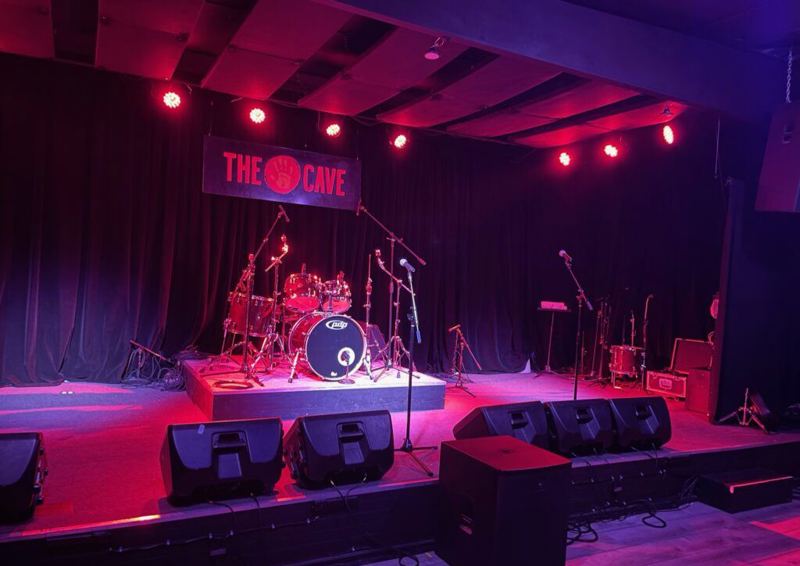
For corporate programs, Buffalo offers spaces that can support networking, trainings, presentations, launches, and association gatherings. Teams can review Buffalo corporate event venues and then confirm internet capacity, microphones, screens, breakout rooms, and catering windows. Performance-oriented or technically demanding programs can also explore Buffalo performance and rehearsal theaters, where a stage, seating orientation, or backstage support may already exist. Production and meeting planners should ask about dedicated load-in doors, freight access, power availability, ceiling height, rigging limitations, and whether equipment can remain overnight. Winter conditions can affect crew arrival and truck access, so loading plans should not assume summer conditions year-round. For hybrid meetings or recorded events, test the actual upload connection rather than relying on a generic Wi-Fi description. Buffalo can be cost-effective for regional teams, but the best value comes from choosing a venue whose built-in infrastructure reduces rentals, labor, and technical setup.
How Buffalo Compares with Nearby Markets
Buffalo’s nearby suburbs can be useful alternatives when parking, guest origin, or a more suburban property format matters. To the east, compare Cheektowaga venue options when airport access and easier driving patterns are priorities. South of the city, planners can consider Hamburg venue options for gatherings whose guests are concentrated in the Southtowns, while West Seneca venue options can be useful for a more suburban location close to Buffalo. Buffalo itself remains the strongest choice when urban character, downtown hotels, waterfront identity, or a broader mix of venue formats matters. The suburbs may simplify parking and local travel for certain guest lists, but they do not always offer the same visual or neighborhood variety. A practical comparison should start with attendee geography: map where guests live or stay, identify the likely arrival routes, and then weigh parking, hotel access, property style, and vendor availability. That approach usually makes the city-versus-suburb decision much clearer.
Booking Logistics and Operating Considerations
Before signing a Buffalo venue agreement, confirm how the property handles weather, access, staffing, and overtime. Ask whether snow or ice removal is included, how early vendors can enter, where delivery vehicles can park, and whether there is a covered path from drop-off to the main event space. Review the exact capacity for your intended floor plan because cocktail, theater, classroom, and seated dinner layouts can differ substantially. For entertainment, verify sound limits, stage dimensions, power, and the cutoff for amplified music. For catered events, clarify kitchen access, outside-caterer rules, service charges, and alcohol requirements. Production teams should document load-in dimensions and any elevator restrictions before bringing equipment. Finally, request a complete estimate that includes taxes, staffing, security, cleaning, equipment, and overtime. Buffalo has many character-rich spaces, but operational details vary widely; a venue that appears more expensive upfront can ultimately be the better value if it includes infrastructure that another property would require you to rent separately.