Explore Woodstock venues
Explore Woodstock
What Makes Woodstock Distinct for Events and Productions
Woodstock has one of the clearest town-center identities in northern Illinois. The historic Square is framed by older commercial buildings, the Woodstock Opera House, the restored Old Courthouse complex, shops, restaurants, and year-round civic activity. Its streets and landmarks are widely recognizable from the filming of Groundhog Day, which gives the city an unusual film-tourism connection on top of its real nineteenth-century architecture. Woodstock is also the McHenry County seat and the end-of-line destination for many Union Pacific Northwest Metra trains, so it functions as both a local government center and an outer-ring Chicago connection. Businesses, associations, and nonprofits can use Woodstock corporate event venues when they want a setting that feels like a real town rather than a suburban office corridor. The strongest Woodstock events let guests experience the Square, arts, restaurants, or surrounding countryside instead of treating the city as merely a convenient address.
Venue Types That Fit Woodstock
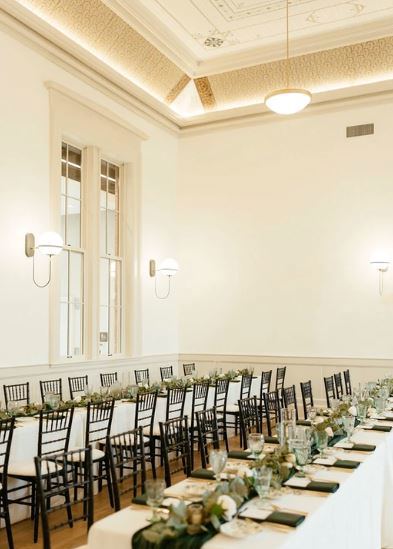
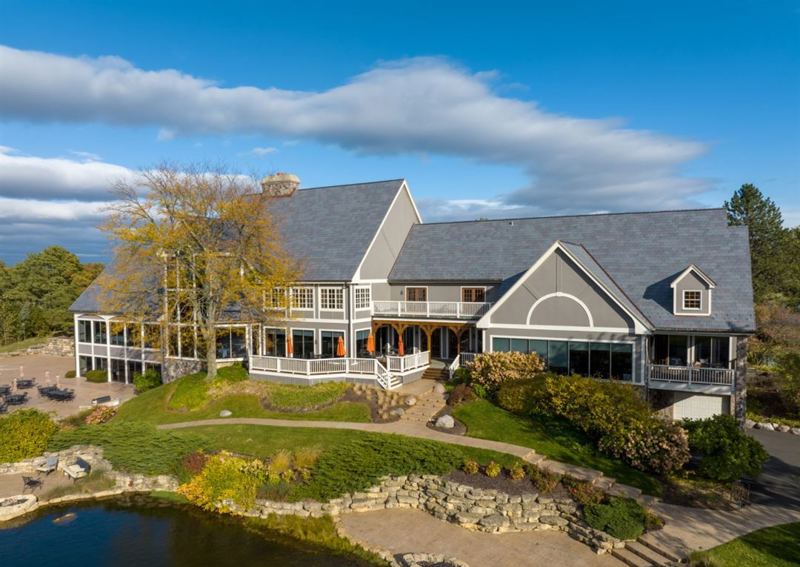
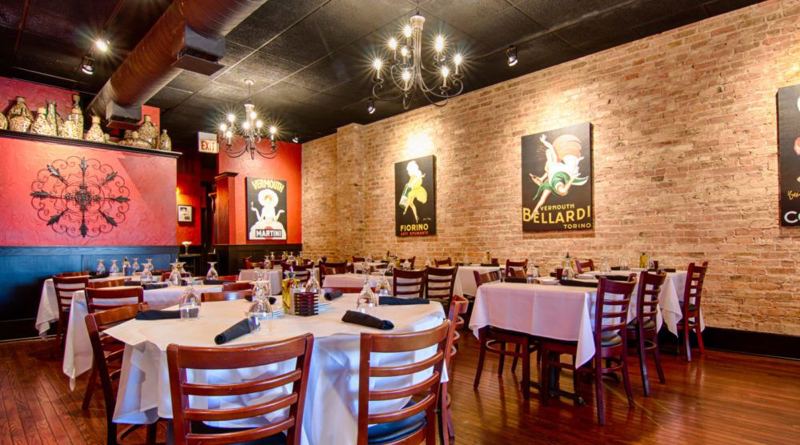
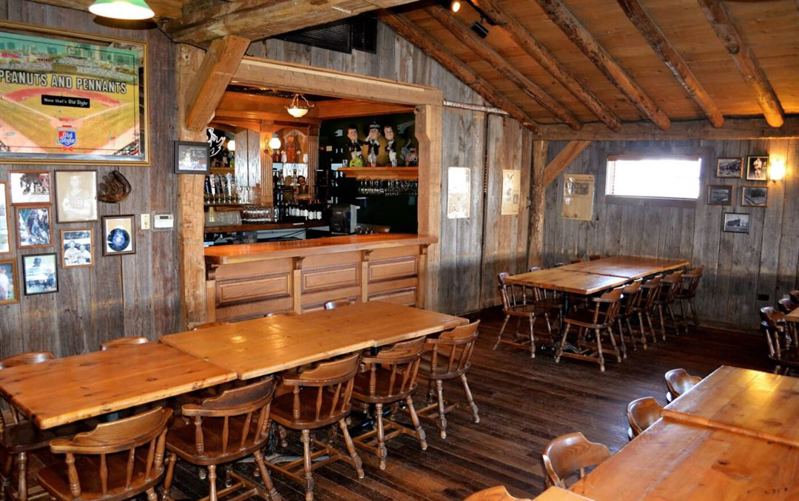
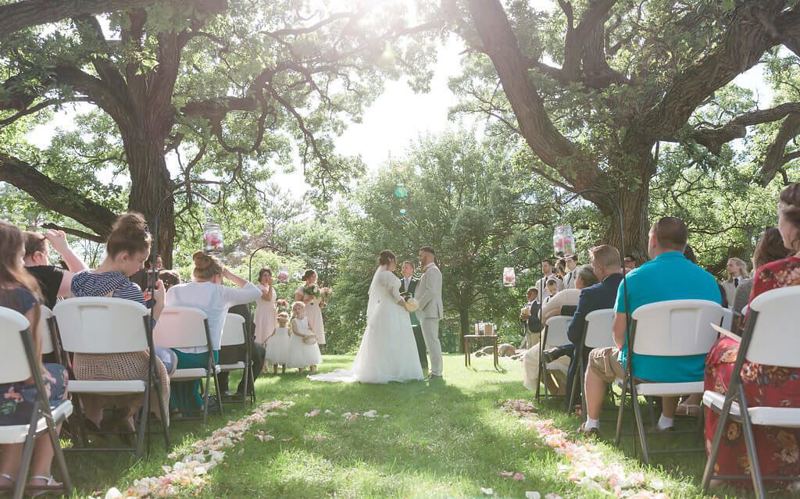
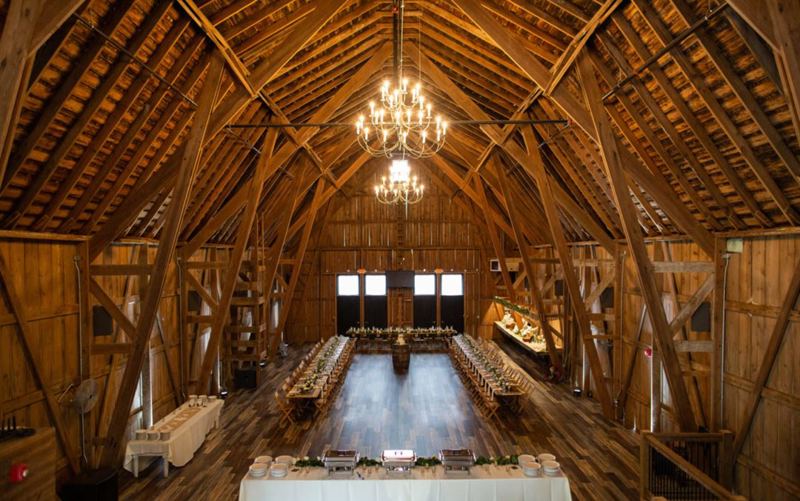
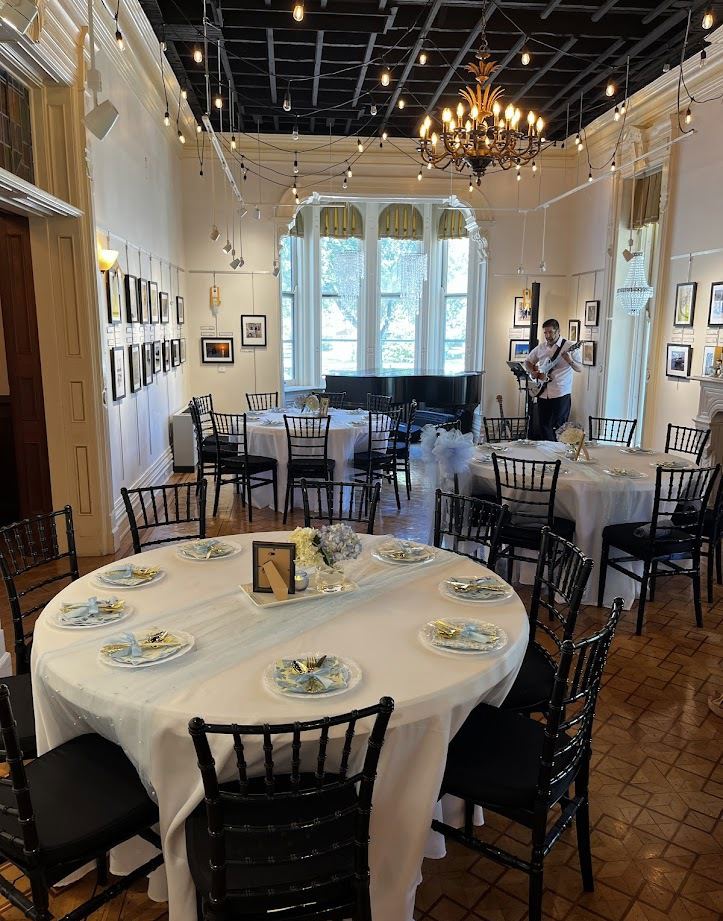
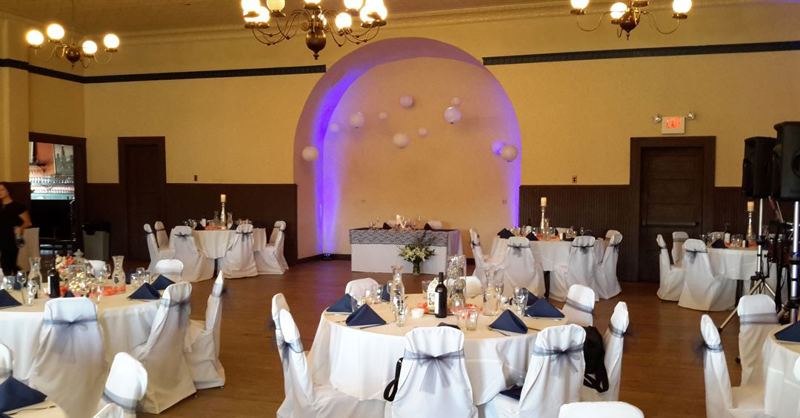
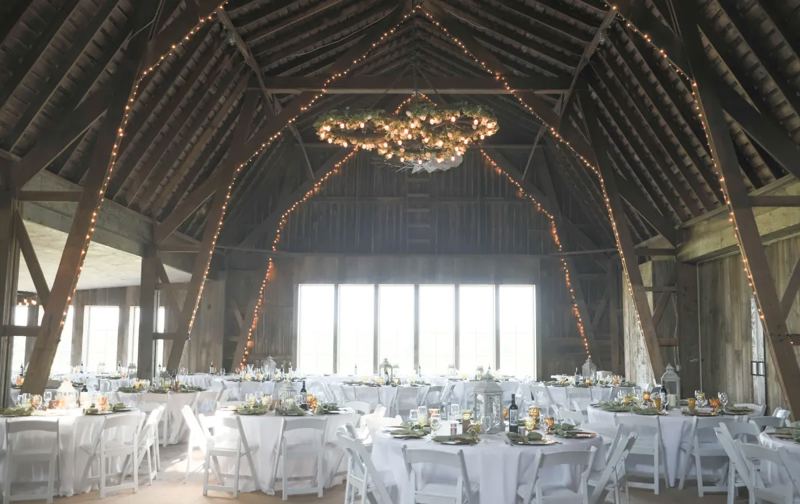
Woodstock's venue mix benefits from the transition between the compact historic center and the open land beyond it. Planners can compare Woodstock outdoor venues for gatherings that need lawns, countryside, flexible outdoor space, or a more rural atmosphere. Couples who want an outdoor ceremony or reception can narrow the search through Woodstock outdoor wedding venues. Downtown spaces provide a different experience: historic rooms and event centers can put guests within walking distance of the Square, restaurants, and Opera House. Rural-edge properties may offer privacy and parking but require more transportation, lighting, restroom, and weather planning. Woodstock's architecture also makes smaller interiors feel more distinctive than generic banquet rooms, but older buildings should be checked for accessibility, elevators, power, and load-in. The choice is unusually clear: use downtown when the town itself should be part of the event, or use the surrounding countryside when space and privacy matter more than walkability.
Weddings, Parties, and Guest-Facing Events
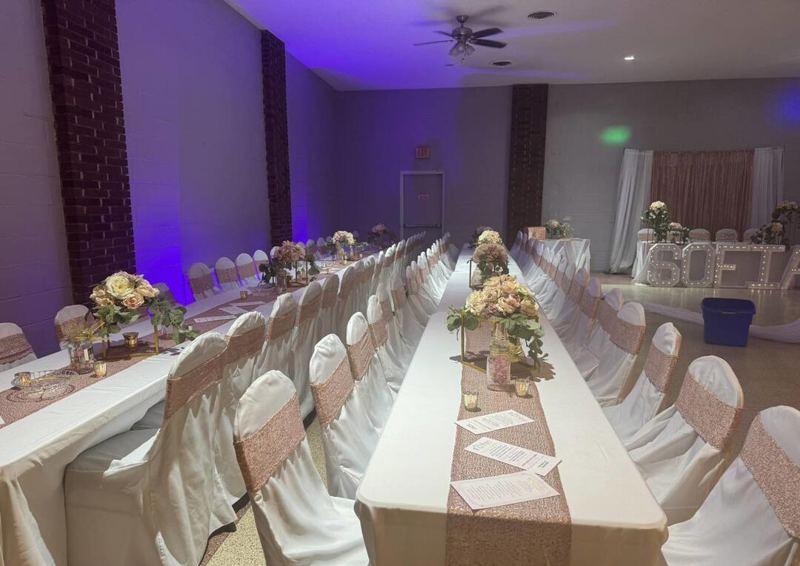
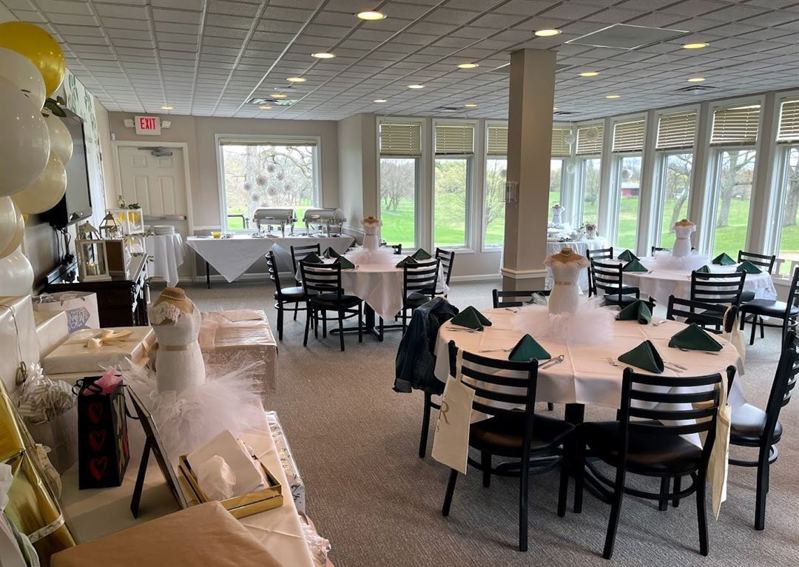
Woodstock is a natural social-event market because its Square already behaves like a gathering place. Families can browse Woodstock party and celebration venues for birthdays, anniversaries, graduations, showers, reunions, and community celebrations. Couples can compare Woodstock wedding venues when they want historic-town photographs, a courthouse or Opera House backdrop, or access to more rural properties outside the center. Groundhog Day fans may recognize familiar locations, but the Square has value even without the movie connection: brick streets, historic facades, restaurants, and public events create a built-in sense of occasion. Weekend festivals and farmers-market activity can make downtown lively, though they can also affect parking and street access. For weddings, hosts should decide whether guests will stay near the Square and walk to dinner or whether the main venue lies outside town and needs shuttles. Woodstock is strongest when the social plan turns its local character into part of the guest experience.
Meetings, Productions, and Technical Uses
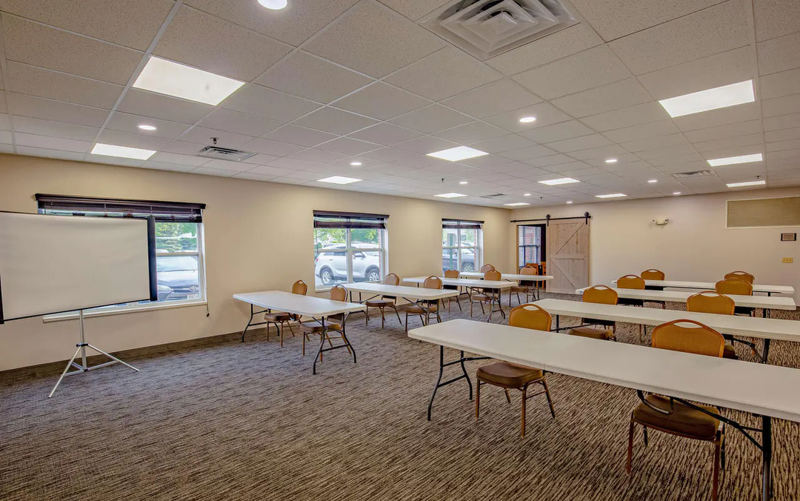
For meetings and productions, Woodstock's scale can be an advantage. Teams can search Woodstock meeting and team-event venues for workshops, retreats, civic programs, board meetings, or training. Groups wanting a flexible room for a professional gathering can compare Woodstock event-center corporate venues. Production crews have access to a preserved town square, historic courthouse and theater exteriors, residential streets, farm and rural scenery, and locations associated with a famous feature film. That makes Woodstock visually useful for period-adjacent, small-town, holiday, or Midwestern storytelling. Commercial crews should still secure permission for private buildings, city facilities, and any controlled use of the Square; the fact that a location appeared in a movie does not make it automatically available. Meeting planners should also consider Metra as a real asset for Chicago-based attendees, while recognizing that a rural venue outside the center may eliminate much of that transit advantage.
How Woodstock Compares with Nearby Markets
Woodstock sits at the point where Chicago's outer suburbs begin to give way to a more rural northern-Illinois landscape. Planners can compare Crystal Lake venue options for a larger nearby suburban market with lake recreation, a busy commercial base, and Metra access. Planners can compare Barrington venue options for an affluent historic village surrounded by horse-country and estate landscapes to the southeast. For a larger independent city to the west with broader museums, hotels, industrial spaces, and regional infrastructure, planners can compare Rockford venue options. Woodstock occupies a distinctive middle ground. It has more of a preserved small-town center than Crystal Lake, a more civic and arts-centered downtown than many estate-oriented Barrington-area settings, and a much smaller scale than Rockford. For planners, Woodstock is useful when the event should feel rooted in a recognizable town while remaining reachable from the Chicago region. If the priority is sheer inventory or big-city infrastructure, one of the larger markets may be better.
Practical Booking and Operating Considerations
Woodstock's most important practical issue is whether the event is truly downtown or only carries a Woodstock mailing address. A Square-area venue can benefit from Metra, restaurants, public parking, and walkability; a rural property several miles away may require shuttles, designated drivers, lighting, and detailed directions. Downtown festivals and seasonal events can alter parking and street access, so hosts should review the city calendar. Outdoor weddings need rain, wind, heat, and cold contingencies, especially on open rural land. Historic buildings should be checked for accessible routes, electrical capacity, kitchen limitations, restrooms, and vendor loading. Productions should ask about permits before staging equipment on public streets or around city-owned landmarks, and winter work needs a snow plan. Woodstock's charm comes from real civic life, not a controlled resort environment. The best event plans use that authenticity while giving guests enough information to navigate it comfortably.