Event and Production Venues near Palatine, IL
Refine by location, venue category, and booking type.
1-20 of 383 listings
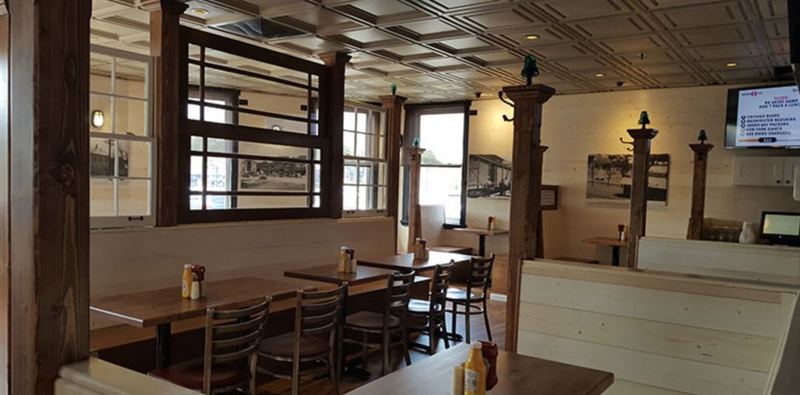
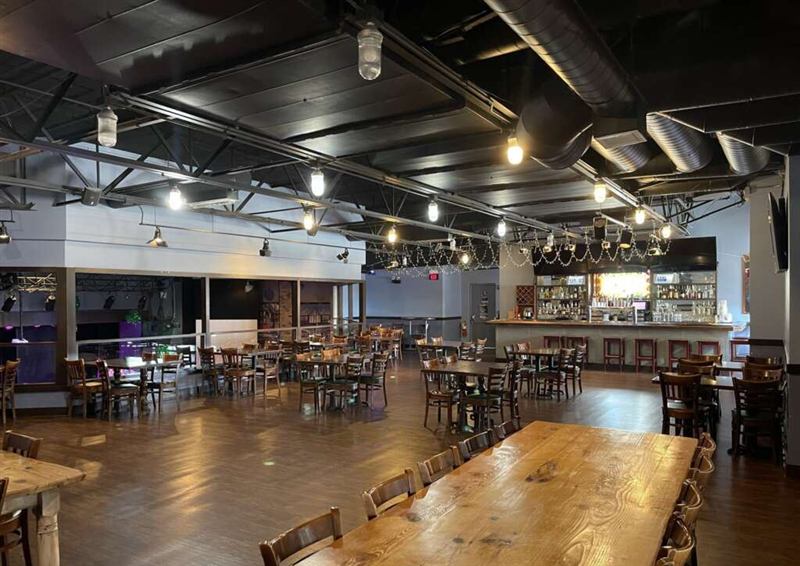
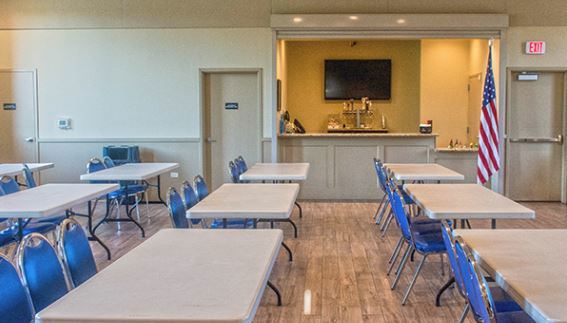
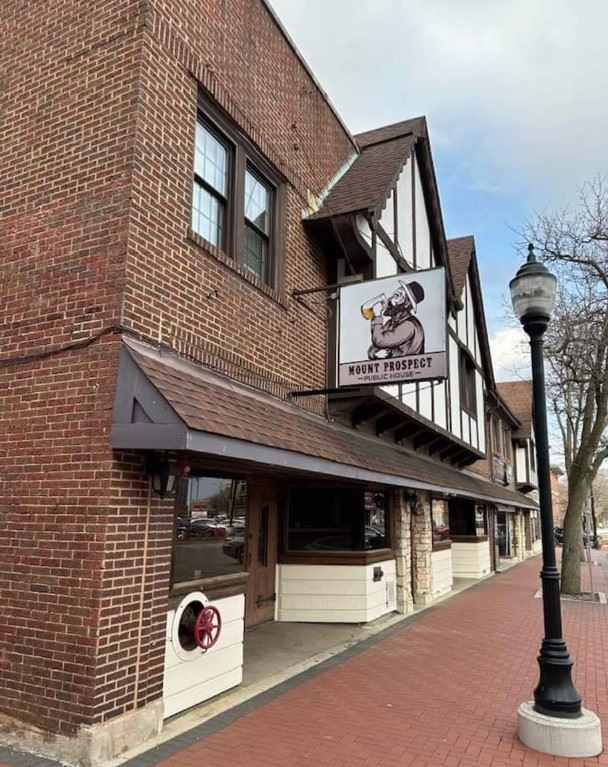
Spacious Suburban Pub with Games and Full Bar for Group Events
New · 220 guests
Mount Prospect, IL
from
$550
/hr
Explore Palatine venues
Explore Palatine
What Makes Palatine Distinct for Events and Productions
Palatine has two identities that are unusually useful for events: an old railroad village at its center and a much greener outer edge near Deer Grove. The community originally grew around the rail station, and the modern downtown still benefits from the Union Pacific Northwest Metra line, restaurants, apartments, and civic activity concentrated around that core. At the same time, Deer Grove brings nearly 2,000 acres of woods, wetlands, ravines, and prairie to the northwest side of the area, giving Palatine a natural counterpoint to its commercial corridors. Cutting Hall Performing Arts Center adds another distinctive layer by supporting theater, film screenings, recitals, concerts, seminars, meetings, and weddings. That mix makes Palatine corporate event venues relevant for more than office-style functions. A company dinner can be downtown, a nonprofit program can use a civic or performance setting, and a retreat can take advantage of the village's proximity to trails and open land.
Venue Types That Fit Palatine
Hospitality spaces are especially useful in Palatine because the village has an established downtown dining scene rather than a purely strip-commercial layout. Planners can explore Palatine restaurants and bars for private dinners, rehearsal meals, showers, networking, or smaller receptions where food service is part of the venue package. For workshops or client sessions that need a meal and a functional room, planners can use Palatine restaurant meeting venues for a more targeted search. Community rooms and performance facilities can serve programs that need stage access, audience seating, or less formal layouts. Downtown properties benefit from Metra and nearby restaurants, while venues farther from the station generally trade walkability for easier parking or larger footprints. Palatine is also broad enough that a venue near Deer Grove, a room near Rand Road, and a downtown space can feel like three different markets. The address matters, so planners should evaluate the surrounding district as part of the venue rather than treating every Palatine listing as interchangeable.
Weddings, Parties, and Guest-Facing Events
For social events, Palatine works best when hosts use the village's built-in gathering places instead of trying to force a destination-resort experience. Families can compare Palatine party and celebration venues for birthdays, anniversaries, graduations, showers, and reunions. Groups that want dinner and celebration in one place can narrow the search through Palatine restaurant party venues. Downtown is particularly useful when guests want to arrive by train, meet for drinks, or continue the evening without moving cars several times. Deer Grove can add a nature component to the weekend, but any organized use, professional photography, or equipment setup in preserve land should be checked separately rather than assumed to be part of a private venue booking. Weddings and family events also benefit from Palatine's central northwest-suburban position: households coming from Schaumburg, Barrington, Arlington Heights, and farther northwest can meet without everyone traveling into Chicago. The result is a practical celebration market with enough local identity to feel specific.
Meetings, Productions, and Technical Uses
Palatine's event infrastructure also supports educational and performance-oriented uses. Teams planning workshops, training, classes, board sessions, or association meetings can use Palatine meeting and team-event venues to focus on functional spaces. For rehearsals, auditions, small performances, or programs that need audience-facing infrastructure, planners can explore Palatine performance and rehearsal venues as a more specialized route. Cutting Hall is a visible reminder that Palatine has a real performing-arts tradition, while Harper College and local civic institutions contribute additional educational and community activity to the area. Production crews can find suburban streets, older downtown architecture, restaurants, commercial corridors, and forest-edge scenery within a relatively short drive. The biggest technical distinction is access: downtown spaces may have more constrained loading and shared parking, while larger suburban properties can be easier for gear and vehicles. Planners should match the room to the actual use case instead of assuming a social-event venue will automatically work for rehearsals, recording, or presentation-heavy meetings.
How Palatine Compares with Nearby Markets
Palatine overlaps several strong northwest-suburban markets, but each has a different center of gravity. Planners can compare Mount Prospect venue options for Randhurst, O'Hare convenience, and a more compact relationship between business travel and suburban hospitality. Planners can compare Barrington venue options for a smaller historic village and the broader horse-country and estate landscape to the northwest. For a larger concentration of hotels, corporate facilities, shopping, and major commercial destinations, planners can compare Schaumburg venue options. Palatine sits between those extremes. Its downtown has an authentic railroad-town core, yet the village is large enough to provide suburban parking and restaurant inventory outside downtown. Deer Grove also gives it a natural asset that Schaumburg and Mount Prospect do not reproduce in the same form. For planners, the choice often comes down to event tone: polished corporate scale points toward Schaumburg, intimate or estate-oriented settings may point toward Barrington, while Palatine is useful when a walkable local center and broad suburban accessibility both matter.
Practical Booking and Operating Considerations
The practical details in Palatine change by district. A downtown venue should be evaluated against Metra schedules, station-area parking, pedestrian routes, and evening restaurant traffic. A property near major roads such as Rand, Dundee, or Route 53 may be easier for drivers but less useful for guests expecting a walkable evening. If the event uses a performance space, confirm stage dimensions, backstage access, sound limits, rehearsal hours, and whether outside catering is allowed. Outdoor plans near forest-preserve land require a clear understanding of where private property ends and preserve rules begin. Winter snow and ice can affect station-area walking and loading, while summer thunderstorms make covered backup space important for outdoor gatherings. For productions, obtain permission before using recognizable storefronts, preserve land, or public facilities as backdrops. Palatine's strength is variety within one village; good planning means choosing the right Palatine setting rather than assuming the village behaves like a single venue district.