Menu

Event and Production Venues near Lake Forest, IL
Refine by location, venue category, and booking type.

1-20 of 231 listings

Explore Lake Forest

What Makes Lake Forest Distinct for Events and Productions

Lake Forest is one of the North Shore’s most architecturally distinctive communities. The city grew around Lake Forest College and an estate landscape near Lake Michigan, and its downtown is anchored by Market Square, the 1916 Howard Van Doren Shaw complex often cited among the country’s earliest planned shopping centers. The surrounding streets contain work by prominent architects and mature landscapes that give the city a formal, established appearance quite different from newer suburban developments. That setting makes Lake Forest corporate event venues relevant for executive dinners, client gatherings, nonprofit functions, and professional events where the location itself communicates a polished North Shore tone. Lake Forest is not a nightlife district, and that is part of its appeal. Events here tend to benefit from privacy, architecture, landscaping, and a controlled guest experience rather than a dense collection of bars or late-night entertainment.

Venue Types That Fit Lake Forest

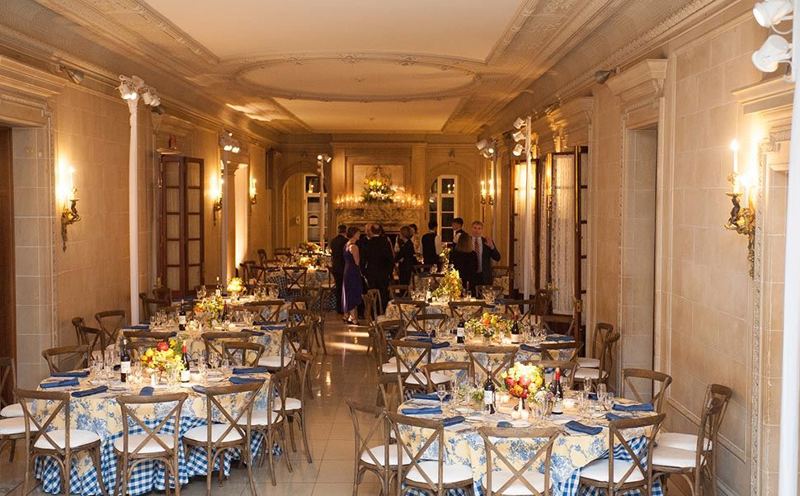
The most useful Lake Forest venue types reflect that refined, lower-density environment. Lake Forest hotels can provide lodging, meeting rooms, food service, and a single operational base for guests arriving from outside the area. For programs where presentations and breakout space matter, Lake Forest hotel meeting venues narrow the search toward properties capable of supporting more structured business use. Restaurants around the commercial core can suit private dinners and smaller celebrations, while estate-like and historic properties may offer exceptional atmosphere but require more careful coordination. Lake Forest’s architecture is part of the value: English-influenced buildings, Arts and Crafts details, landscaped grounds, and Lake Michigan-area residential streets can make even a relatively small gathering feel tied to place. The tradeoff is that historic or residential settings may impose tighter limits on parking, sound, load-in, or modifications than purpose-built event centers.

Weddings, Parties, and Guest-Facing Events

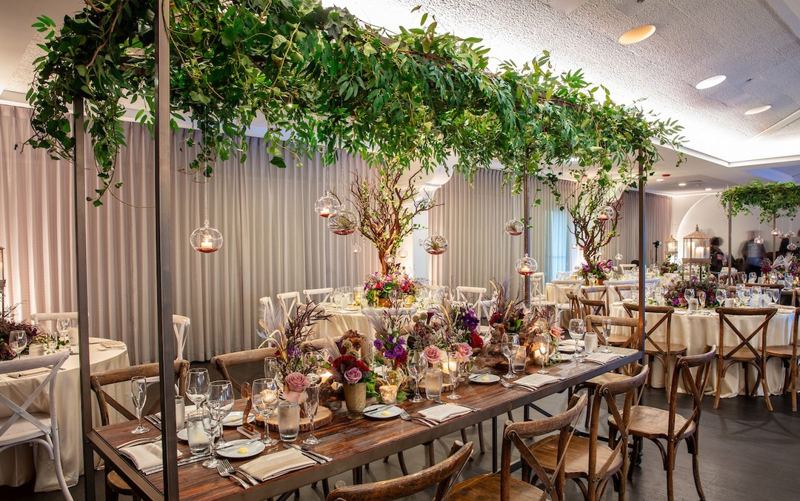
Lake Forest can be especially effective for milestone events that favor elegance over spectacle. Lake Forest party and celebration venues can suit anniversaries, showers, family dinners, and formal birthdays, while Lake Forest wedding venues expand the search to ceremony and reception options. The city’s landscaped streets and historic architecture create strong photography opportunities even when the venue itself is indoors. Lake Michigan adds another layer of identity, although direct waterfront access is not a feature of every property and should never be assumed from the city name. For destination-style weekends, nearby lodging and the city’s compact commercial center can keep guests close without requiring them to navigate Chicago. The setting naturally favors events with a more composed pace: seated dinners, garden components, cocktail receptions, and smaller luxury gatherings often fit the city better than high-volume nightlife concepts. Hosts should choose the venue for its operational fit, not only its address.

Meetings, Productions, and Technical Uses

Lake Forest’s visual character also gives it real production value. Crews looking for executive, residential, historical, or upscale suburban settings can find a range of architectural references without leaving the North Shore. Lake Forest restaurant corporate venues can be useful for branded dinners and business scenes where a hospitality setting already supports food and service, while Lake Forest meeting and class venues help identify spaces for workshops, training, interviews, and small conferences. Production teams interested in private estates or historic properties should expect stricter permission, insurance, parking, and protection requirements than they might encounter in a warehouse studio. Public-facing landmarks such as Market Square may be visually appealing but have separate rules for commercial filming. For meetings, the city’s quiet atmosphere can be an advantage, particularly for leadership retreats or client sessions where privacy matters more than access to a large entertainment district.

How Lake Forest Compares with Nearby Markets

Lake Forest sits among several North Shore and Lake County markets that can serve different audiences. Highland Park venue options offer a somewhat busier commercial and cultural environment while retaining Lake Michigan and North Shore character. Deerfield venue options are more closely associated with offices, hotels, and the Lake Cook Road business corridor, making it especially practical for corporate programs. Libertyville venue options provide a walkable downtown farther north with restaurants and a broader central Lake County draw. Lake Forest’s distinguishing feature is the combination of estate architecture, historic planning, college presence, and restrained lakefront-suburban character. It is strongest when the event benefits from that sense of place. If a planner’s priorities are abundant nightlife or huge convention inventory, another market may fit better; if the goal is an elegant, private, or visually polished environment, Lake Forest can be unusually effective.

Practical Booking and Operating Considerations

Operating in Lake Forest requires attention to the city’s residential and historic context. Private-property events should confirm guest parking, valet staging, outdoor sound, tenting, vendor routes, and end-time restrictions before contracts are finalized. Older buildings can have beautiful rooms but less forgiving loading paths, elevators, power access, or accessibility than modern event centers. Metra service can help some guests reach the area, but most events still need a clear final-mile plan from the station to the venue. Lake Michigan weather can make the eastern part of the North Shore feel cooler or windier than inland suburbs, particularly in spring. For productions, street parking for trucks and crew should be treated as a logistical question, not an afterthought. Lake Forest works well when the event respects the environment that makes the city attractive: historic architecture, quiet neighborhoods, mature landscapes, and a more deliberate pace than central Chicago.