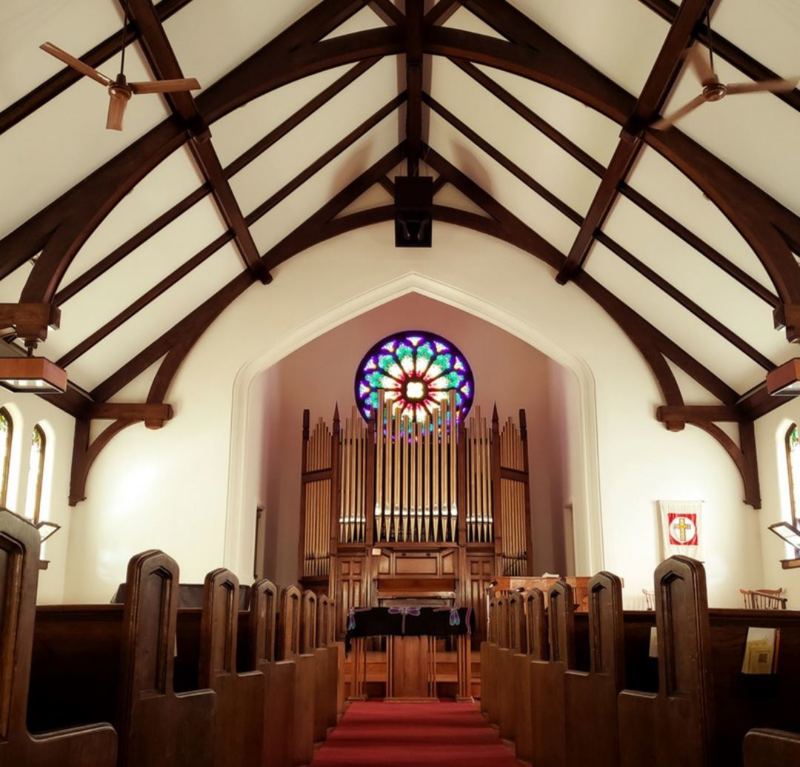
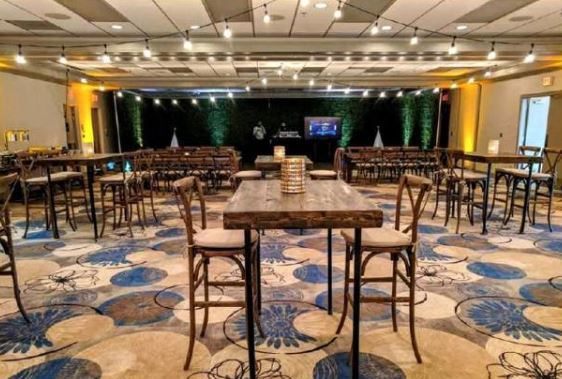
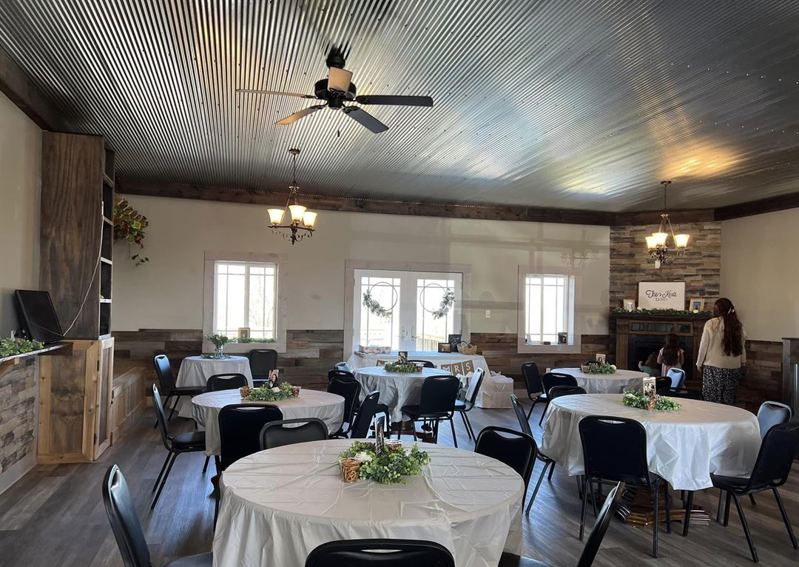
Event and Production Venues near Champaign, IL
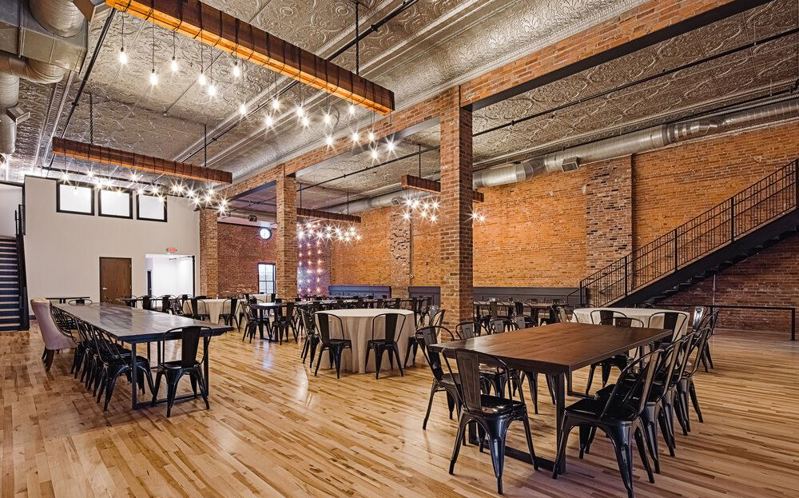
Refine by location, venue category, and booking type.
1-12 of 12 listings
Explore Champaign venues
Explore Champaign
Planning an Event or Production in Champaign
Champaign has an event market shaped by the University of Illinois community, a busy downtown, regional business activity, and a steady flow of visitors coming into Champaign-Urbana for school, work, sports, conferences, and family events. That creates demand for spaces that can handle both social gatherings and practical meeting needs. Planners looking for adaptable dedicated properties can start with Champaign event centers, then compare access, parking, catering, and how the room changes between different parts of the program. Champaign is especially useful when attendees are arriving from several directions because the city sits at a major east-central Illinois crossroads and offers more lodging and dining than many surrounding communities. The best venue choice depends on whether guests need to stay near campus, downtown, or closer to major roads. Rather than treating Champaign as one uniform market, planners should match the property to the actual movement of guests, vendors, and equipment.
Venue Types That Stand Out in Champaign
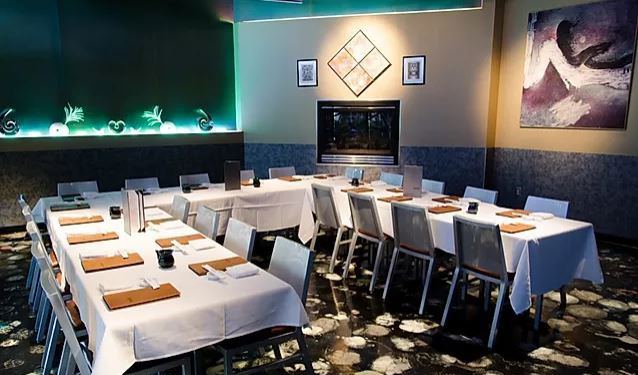
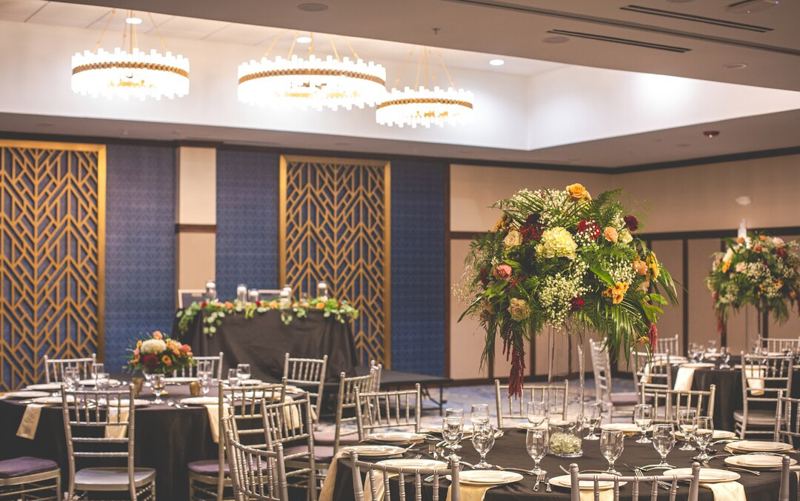
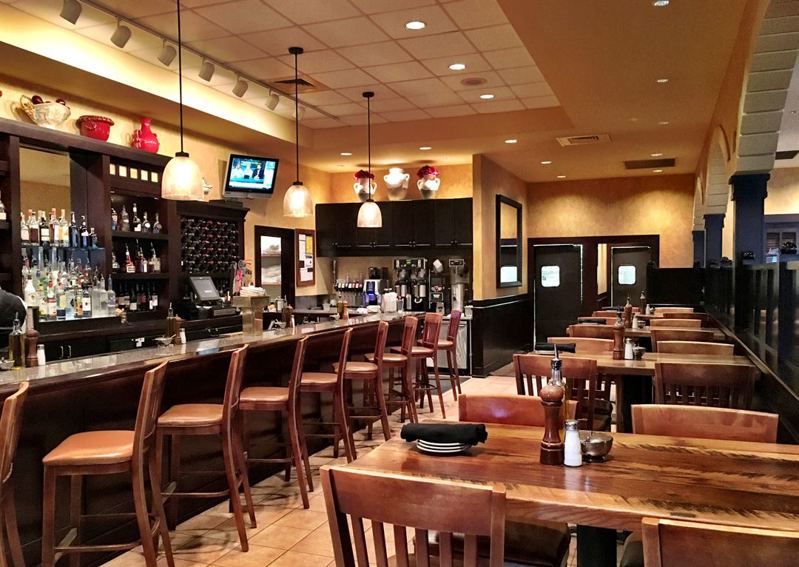
The strongest Champaign venue types tend to be flexible event centers, restaurant-based spaces, meeting rooms, and hospitality-oriented properties that can support both local and visiting groups. Hosts who want food service and a built-in social atmosphere can compare Champaign restaurants and bars, while couples seeking a dedicated celebration layout can explore Champaign event-center wedding venues. Event centers are useful when a schedule includes several distinct phases such as registration, ceremony, cocktails, dinner, presentations, or dancing. Restaurants can simplify catering and staffing but may offer less control over layout or sound. When evaluating a venue, ask how much of the property is actually private, whether furniture is included, and how early vendors may enter. Champaign events often involve travelers, so hotel proximity and parking can be more valuable than an extra decorative feature. A venue that reduces transportation and setup complexity can ultimately provide a better experience than a more elaborate room in a less convenient location.
Weddings, Parties, and Guest-Facing Events
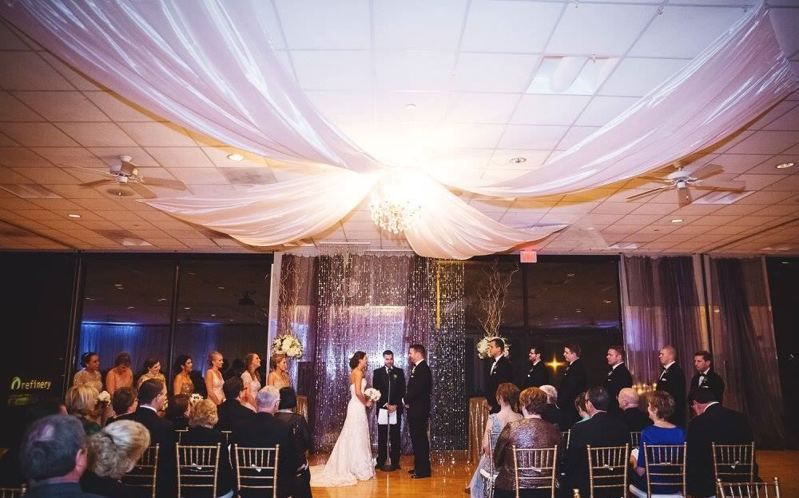
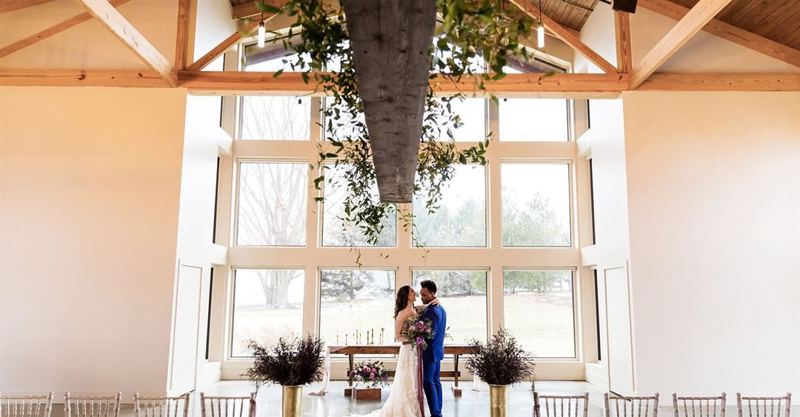
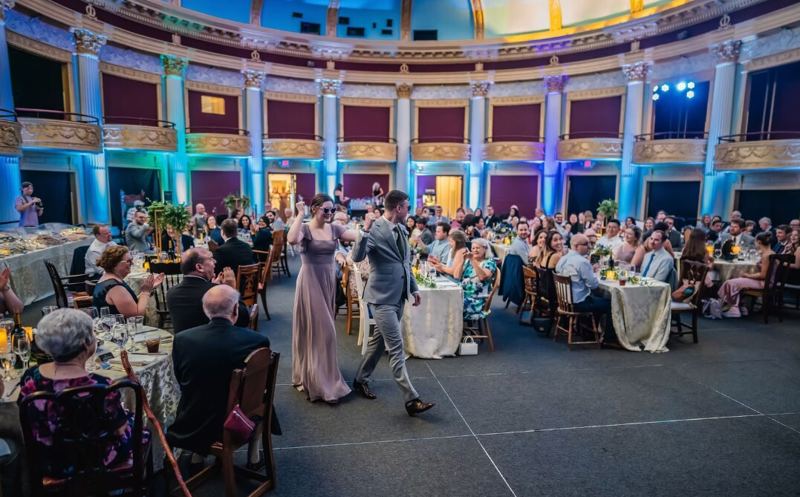
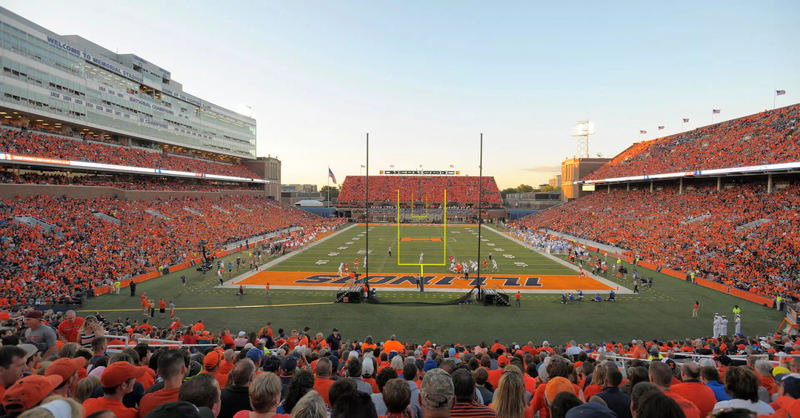
Champaign works well for birthdays, weddings, reunions, showers, alumni gatherings, graduation-related celebrations, and company social events. Hosts can review Champaign party and celebration venues for broad options, while groups that want a dedicated room with a more customizable layout can consider Champaign event centers for parties. Guest-facing events should be planned around the calendar as well as the room. Large university weekends, games, and other high-demand periods can affect hotel availability, parking, restaurant reservations, and travel time. Ask whether the venue controls its own parking, where rideshare vehicles can wait, and whether the space has a separate area for gifts, coats, registration, or vendors. For weddings, clarify ceremony backup and preparation areas. For parties, confirm entertainment rules and the latest permitted end time. Champaign is at its best when the venue keeps the event self-contained while still giving guests easy access to lodging and dining.
Meetings, Productions, and Technical Planning
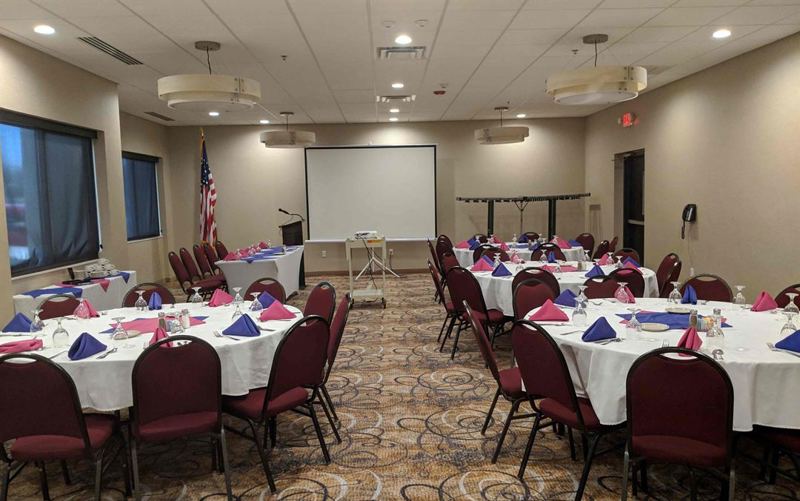
Corporate meetings, educational programs, and technical events are an important part of the Champaign market. Teams arranging networking events, client functions, or company gatherings can compare Champaign corporate event venues and then evaluate internet, microphones, screens, breakout space, and food-service timing. For trainings, workshops, and team sessions, planners can review Champaign event-center meeting spaces when a flexible dedicated room is more useful than a standard restaurant setup. Organizers should test the exact technology they plan to use rather than relying on a general amenities list. If a program includes recording or production elements, ask about sound bleed, power, loading, and control over lighting. Champaign can also be a logical regional meeting point for attendees coming from different parts of Illinois or Indiana. The practical advantage disappears, however, if the venue has confusing parking or inadequate technical support, so those details deserve the same attention as room appearance.
How Champaign Compares with Nearby Markets
Champaign and Urbana function as a closely connected market, but the two cities can still offer different venue settings and guest patterns. Planners can compare Urbana venue options when the event leans more toward the eastern side of the university community or when a specific Urbana property better fits the program. For a larger central-Illinois comparison, consider Decatur venue options, while groups drawing attendees from farther northwest can also review Bloomington venue options. Champaign remains a particularly strong choice when visitors need a combination of campus access, hotels, restaurants, and major-road convenience. The comparison should not be based only on listing count. A venue in another city may look attractive but add substantial driving for attendees, vendors, or speakers. Map the actual origins of the guest list, identify where overnight visitors will stay, and compare total transportation time along with rental price. That makes the regional choice much more meaningful.
Booking Logistics and Operating Considerations
Before signing a Champaign venue agreement, confirm the operating window and what happens during high-demand local weekends. Ask for the exact capacity of the intended layout, dedicated or shared parking, vendor arrival time, loading access, storage, and the cleanup deadline. If the event depends on hotel rooms, check availability before committing to a venue date rather than assuming rooms can be added later. Catered events should clarify kitchen access, outside-food rules, alcohol service, security, and service charges. Corporate programs should test Wi-Fi, screens, microphones, and any hybrid-meeting equipment. For celebrations with entertainment, verify sound limits and overtime costs. If the property shares a building with other businesses or events, ask how noise and common areas are managed. A good Champaign venue should make it easy for both local guests and visitors to understand where to park, where to enter, and how the event flows once they arrive.