Menu

Event and Production Venues near Arts District, CA
Refine by location, venue category, and booking type.

1-20 of 417 listings
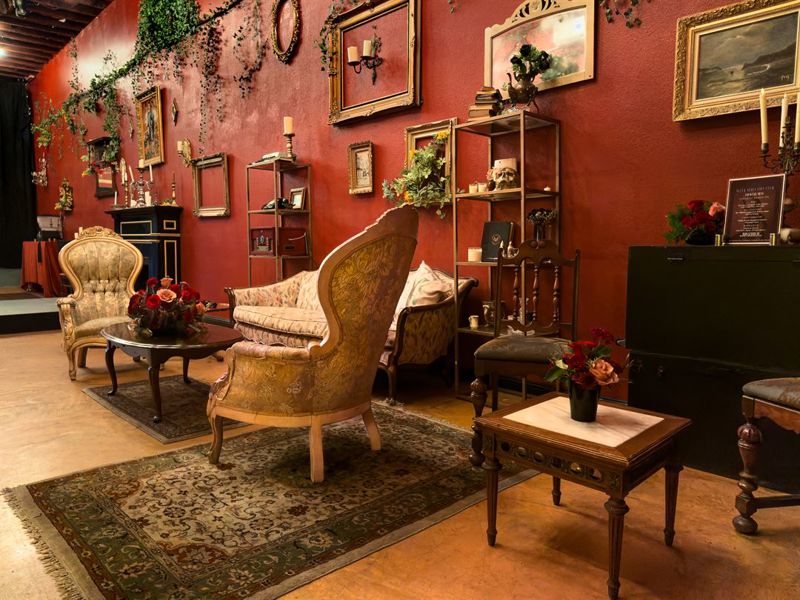
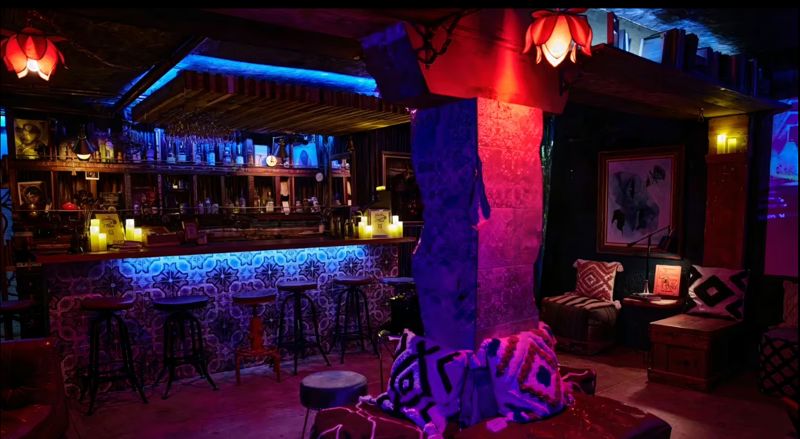
Private Speakeasy Lounge With Custom Lighting

Quick reply · 797 sf · 30 guests

Mid-City, CA from $200 /hr

Explore Arts District

Arts District venues bring an industrial Los Angeles setting to the event

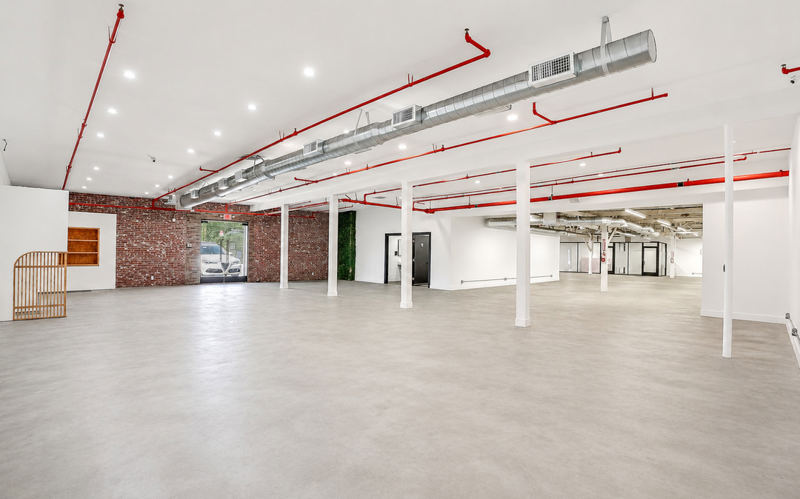
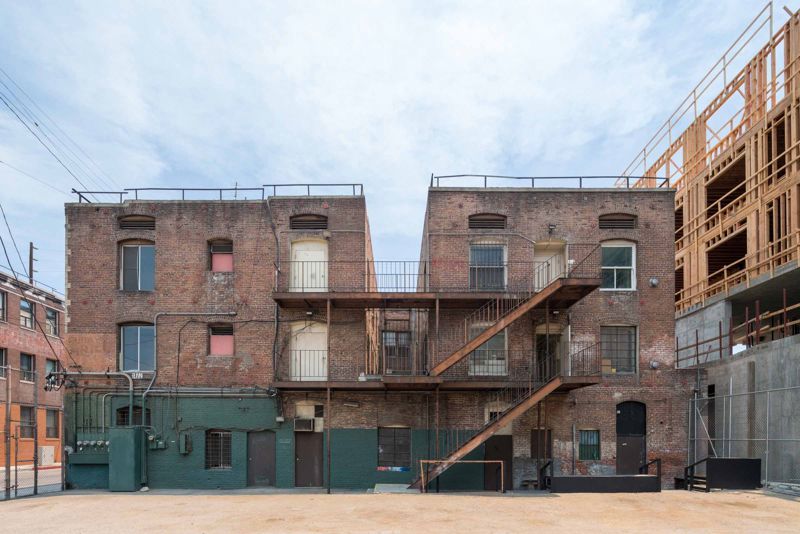
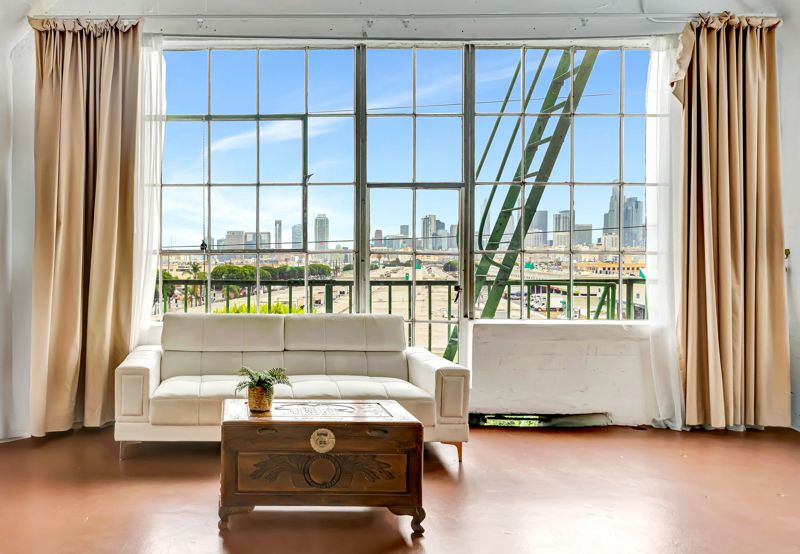
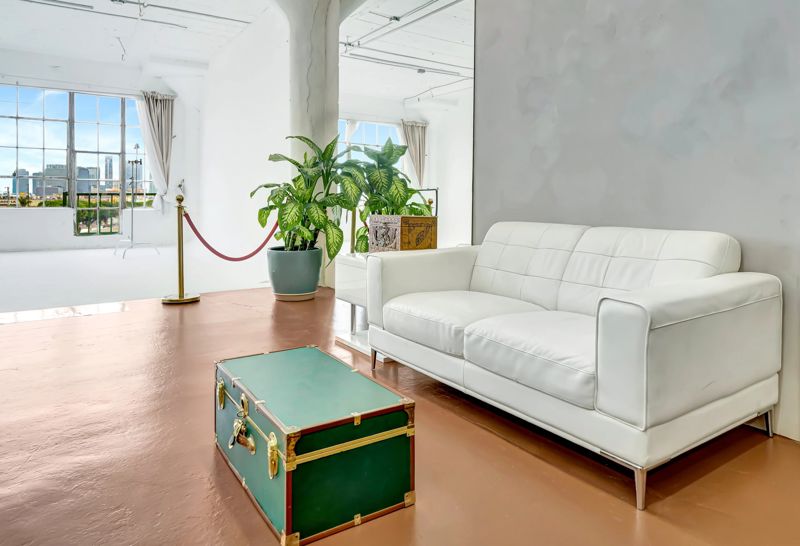
The Arts District works best when the venue itself should contribute to the visual identity of the event or production. Converted warehouses, exposed brick, concrete floors, steel windows, roll-up doors, murals and open loft layouts give the neighborhood a character that would require substantial decor or set dressing elsewhere. The surrounding streets, restaurants, creative offices and older industrial buildings also make the area feel connected to Los Angeles rather than isolated inside a conventional rental hall. This makes the neighborhood especially useful for launch parties, gallery-style gatherings, fashion events, dinners, screenings, workshops, private celebrations and branded experiences. Planners can begin with Arts District event centers when the program needs a flexible floor plan, catering space, entertainment, registration or several guest zones. Before comparing prices, decide whether the industrial character is part of the concept or simply a backdrop. That distinction will help determine how much lighting, furniture, decor and production support the venue must already provide.

Lofts, studios, galleries and rooftops define the local venue mix

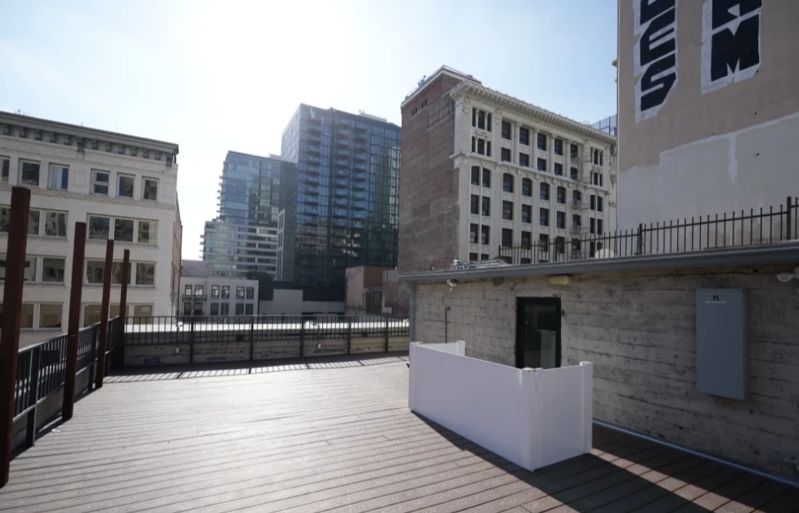
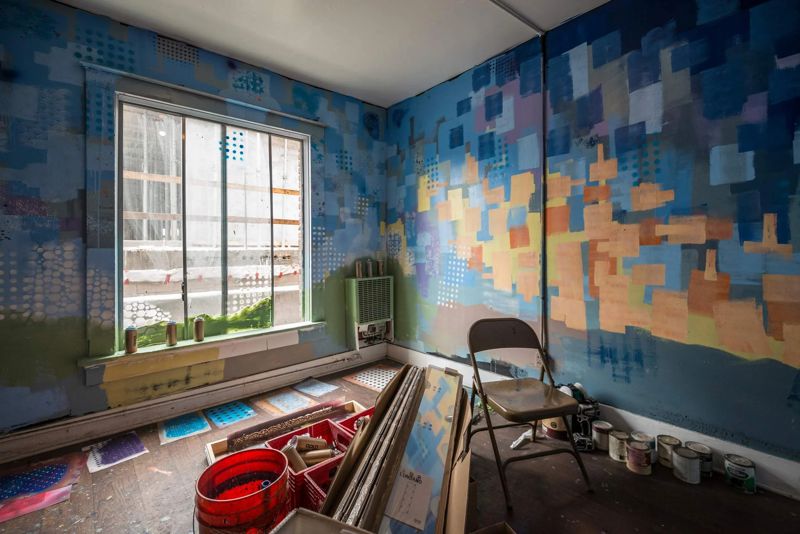
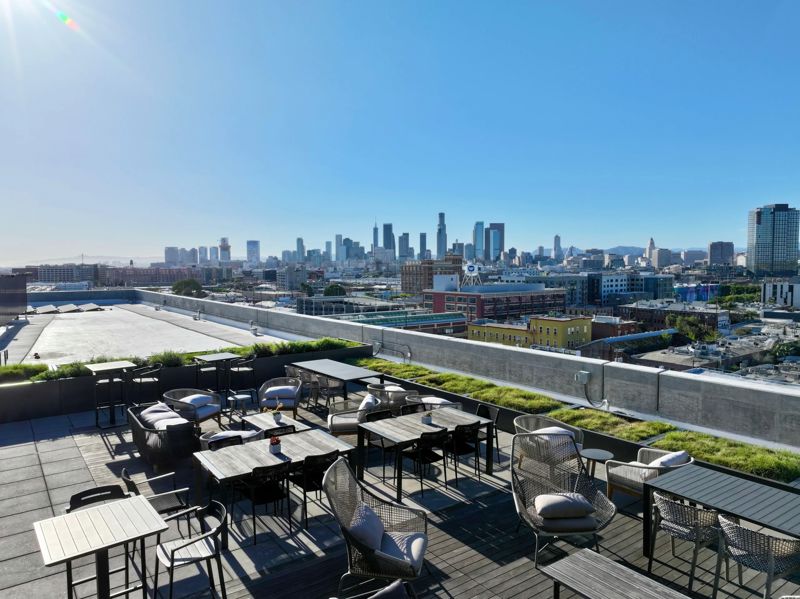
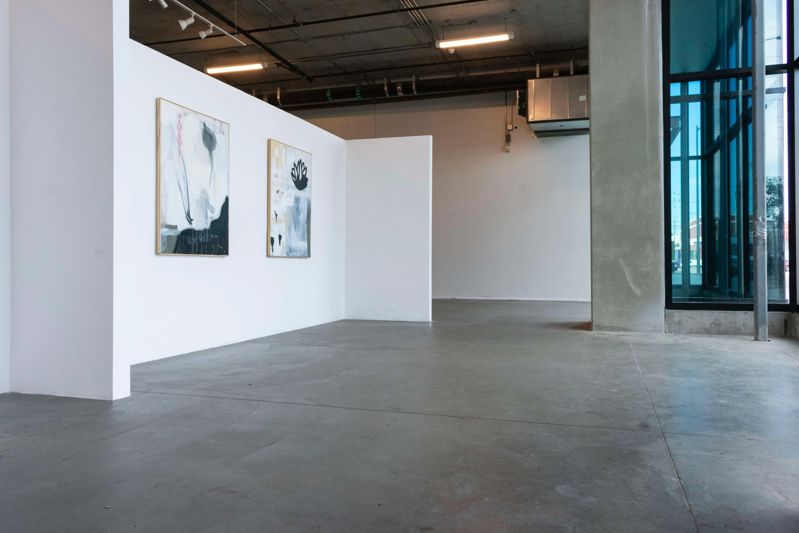
The strongest Arts District properties tend to provide either a flexible blank canvas or a highly recognizable creative environment. Arts District studios and production spaces may include daylight studios, open lofts, photography spaces, production stages and warehouse interiors with room for equipment, wardrobe, makeup and crew staging. Some are intentionally minimal, while others retain brick, timber, steel, concrete and older industrial details. For exhibitions, art openings, dinners and design-focused events, Arts District galleries and exhibition spaces can provide polished walls, open circulation and a layout that naturally supports displays, installations or guest movement. Events that need skyline views, open air or a stronger sense of Downtown may consider rooftop venues in the Arts District. Rooftops can create an immediate Los Angeles atmosphere, but access matters. Confirm elevator capacity, stairs, wind exposure, power, lighting, sound restrictions and indoor backup. A dramatic property is most useful when its operating details support the concept rather than creating additional rentals, labor or delays.

Private events and brand activations benefit from the surrounding neighborhood

The Arts District can support dinners, birthdays, receptions, company gatherings, product launches, tastings, pop-ups and social events that benefit from a more creative setting. The neighborhood has restaurants, breweries, cafes, galleries and recognizable destinations near Mateo Street, Traction Avenue, Little Tokyo, ROW DTLA and the Los Angeles River. That surrounding activity can make the arrival and post-event experience feel more complete. Groups that want built-in food service, bar operations and an established atmosphere may prefer Arts District restaurants and private rooms. These properties can simplify staffing, glassware, furniture, alcohol service and cleanup. Events centered on patios, courtyards or indoor-outdoor movement may also compare Arts District patios and outdoor venues. Confirm whether the outdoor area is private, how late it can remain active and whether amplified sound is allowed. For any guest-facing event, provide specific parking or rideshare instructions. Downtown traffic patterns, shared lots and limited street parking can affect the experience before guests ever enter the venue.

Production value depends on load-in, sound and working space

For photo shoots, commercials, interviews, music videos, branded content and editorial projects, the Arts District offers several looks within a compact area. Crews can move between warehouse interiors, alleys, murals, storefronts, rooftops and industrial streets without traveling across the entire city. Access to Downtown, Little Tokyo and the 5, 10 and 101 freeways can also help with crew and equipment movement. The visual advantages do not eliminate the need for a detailed technical check. When comparing production studios across the Arts District, ask about power, freight access, ceiling height, natural-light direction, blackout capability, sound exposure, holding space and where equipment cases may remain. Smaller interviews, workshops, podcasts and business-focused shoots may work better in Arts District meeting and interview spaces when Wi-Fi, tables, presentation equipment and acoustic separation matter more than scale. Also confirm overtime, parking, furniture movement, wall protection, generators, exterior filming and whether the rate changes according to crew size. Easy access can be more valuable than a lower hourly rate.

Nearby Los Angeles markets offer different creative environments

The Arts District is part of the broader Downtown environment, but nearby markets can provide different property types and operating conditions. the broader Downtown Los Angeles venue market offers a wider selection of historic buildings, formal event spaces, theaters, hotels, rooftops and commercial interiors beyond the immediate warehouse district. For smaller creative properties, residential streets and neighborhood-oriented events, planners may compare Silver Lake creative venues or Highland Park event and production spaces. Silver Lake tends to suit intimate creative gatherings, furnished interiors and hillside or neighborhood settings, while Highland Park can offer storefronts, restaurants, older commercial buildings and residential character. Culver City brand and production venues may work better for brand activations and productions that need Westside access, nearby offices or established creative-industry infrastructure. Events tied to nightlife, performance or entertainment culture may fit more naturally around Hollywood entertainment and event spaces. The right comparison depends on whether the priority is industrial character, neighborhood atmosphere, nightlife, production access, parking or proximity to guests and crew.

Choose an Arts District venue by planning the complete operating day

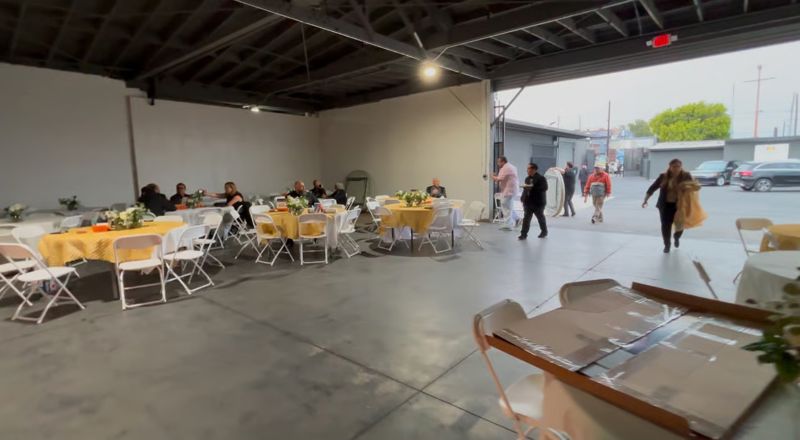
The right Arts District venue should provide the desired industrial or creative character without making the event unnecessarily difficult to operate. Begin with the fixed requirements: date, budget, guest or crew count, operating hours and the areas of the property that must be included. Then compare parking, rideshare access, loading, freight elevators, stairs, restrooms, HVAC, power, Wi-Fi, furniture, security, alcohol rules, amplified sound and overtime. Warehouse and loft properties vary widely. One may have a roll-up door and direct vehicle access, while another requires equipment and rentals to move through a shared hallway or passenger elevator. Confirm where catering, wardrobe, makeup, storage and vendor staging will occur. Guest-facing events should have a clear arrival plan, visible check-in and realistic late-night departure instructions. Productions should verify sound conditions, power and equipment access before the shoot date. The best venue is not simply the most dramatic space. It is the property whose appearance, layout and operating rules all support the plan.