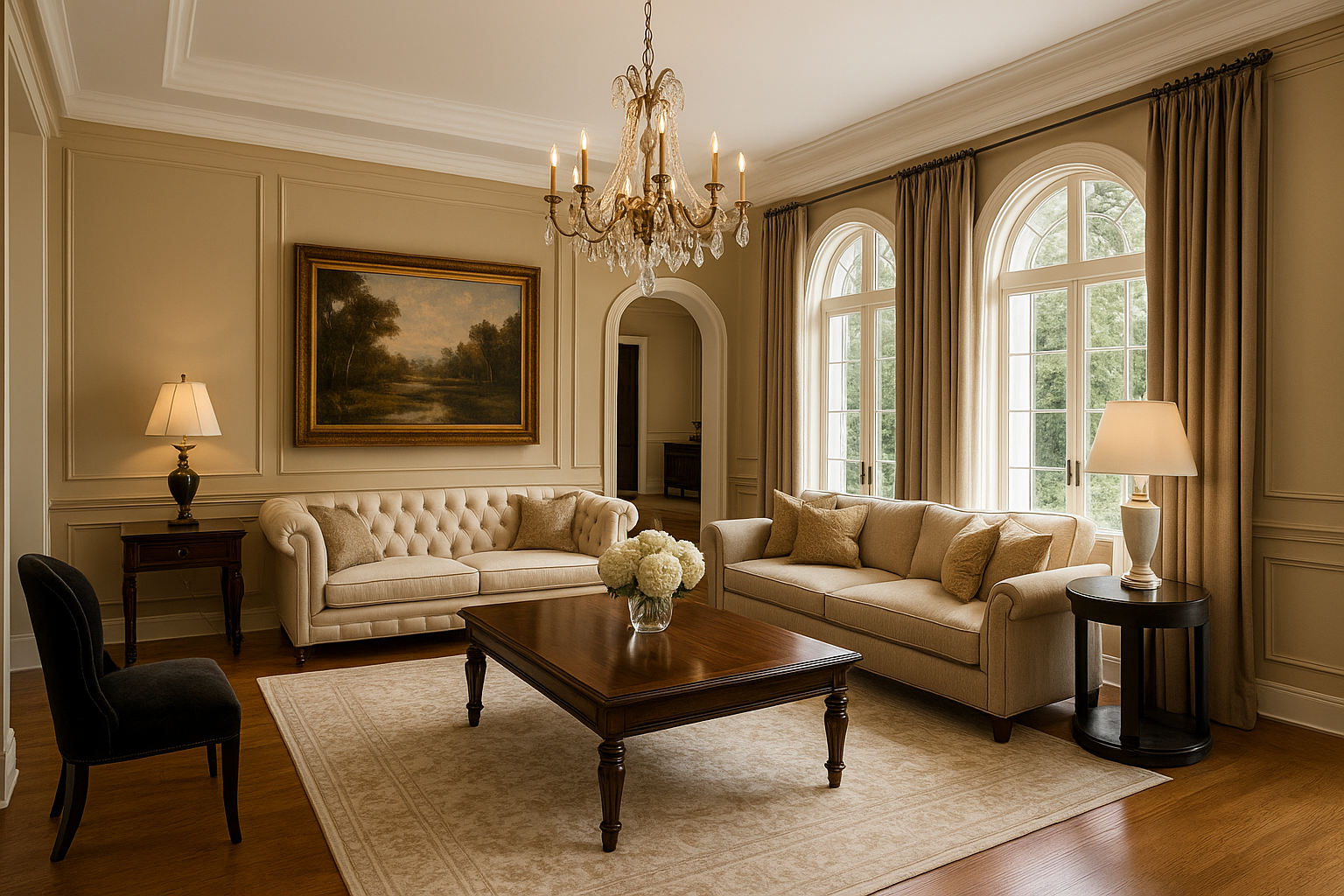
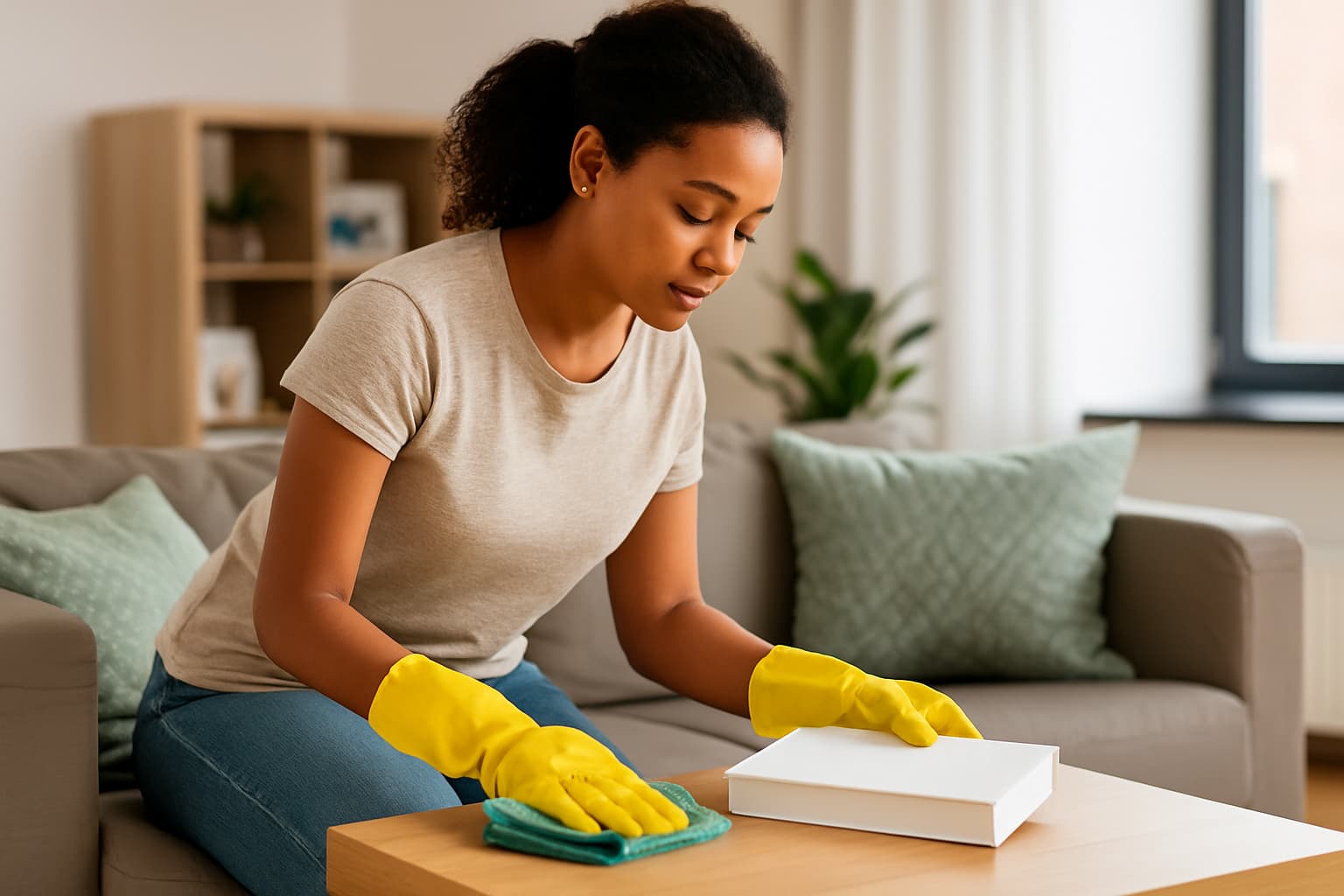
Great guests understand that a private venue is not just a rental. It may be someone’s home, garden, rooftop, pool area, studio, ranch, patio, or creative space that has been prepared carefully for a booking. Small habits can protect the property, reduce stress for the host, and help the event or production run more smoothly.
Respectful behavior matters everywhere, but it matters even more when the space has personal character. Guests using Los Angeles private venue rentals, residential homes, outdoor venues, or creative production spaces should treat the property as part of the experience, not just the backdrop. The best guests leave the host feeling confident, not worried.
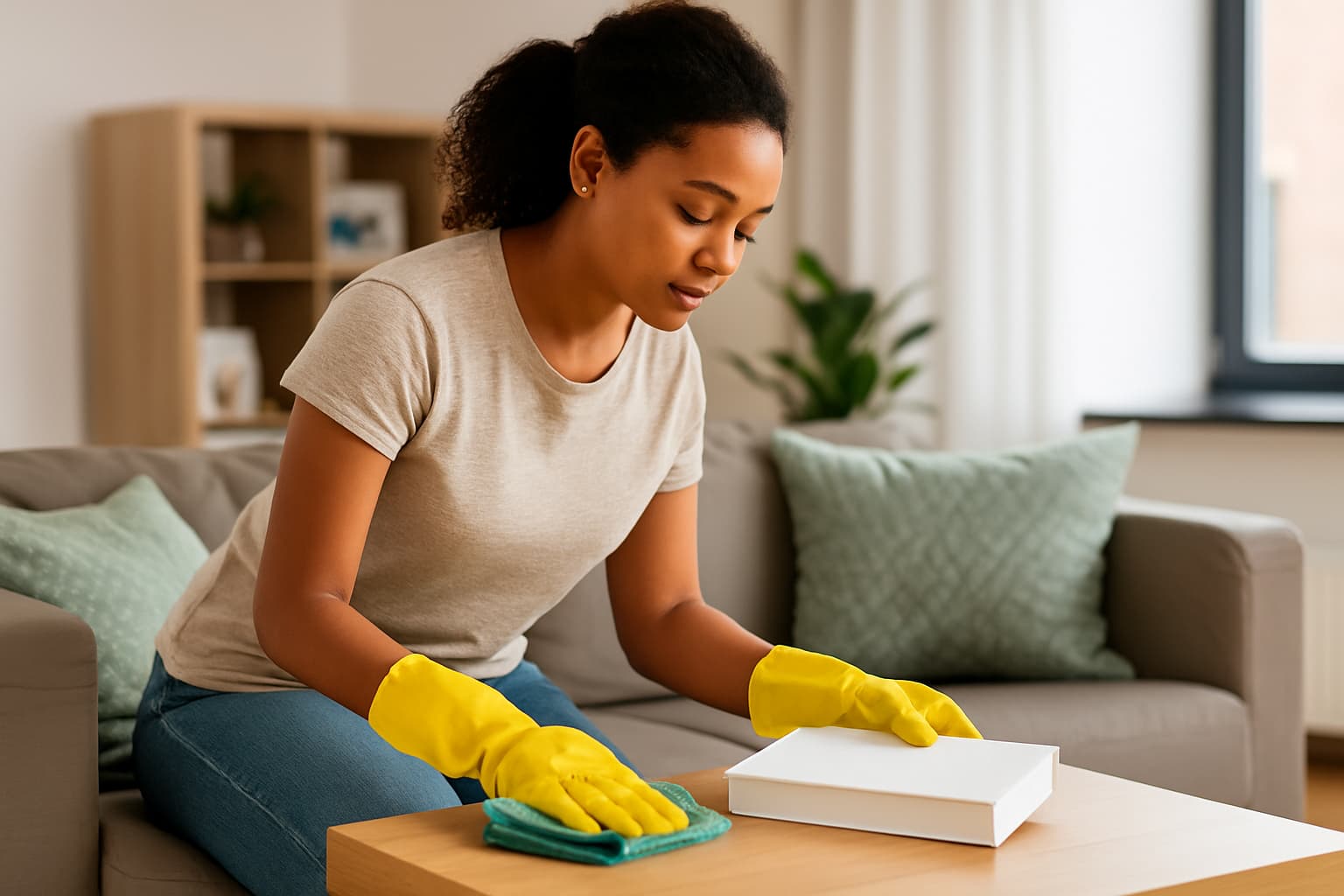
Treat the space like a real property, not a blank rental
A private venue usually has more personality than a traditional banquet hall. That is part of the appeal. It may have custom furniture, original floors, landscaped areas, artwork, delicate surfaces, pool features, vintage details, or outdoor spaces that need care. Before guests spread out, it helps to pause and notice what areas are meant for food, drinks, seating, photos, equipment, or gathering.
This mindset is especially important in more personal settings like Beverly Hills event homes or Pasadena historic home venues, where the property itself is a major part of the value. The goal is to enjoy the space without treating it casually.
Protect surfaces, floors, and furniture
Small actions prevent most property damage. Use coasters for drinks, keep food away from delicate furniture, avoid dragging chairs, and do not place heavy bags, makeup kits, camera cases, or equipment on soft seating. If shoes, heels, tripods, stands, or rolling cases could affect floors, ask about the right way to handle them before the event begins.
For parties, this may mean keeping drinks away from bedrooms, rugs, and upholstery. For productions, it may mean using pads under gear, tennis balls on light stands, or protective coverings in high-traffic areas. A guest or crew that protects surfaces shows the host that the property is being taken seriously.
Keep food and drinks in the right areas
Food and drinks are where many avoidable problems start. Spills, crumbs, sticky surfaces, open bottles, and forgotten plates can quickly change the feel of a clean property. Guests should use the areas designated for eating and drinking, keep water and ice stations tidy, and avoid placing drinks near electronics, artwork, furniture, rugs, or pool edges unless the host has approved it.
If the booking includes a caterer, bartender, or vendor team, make sure they know where setup is allowed. A clear food and drink zone keeps the event easier to manage and makes cleanup faster.
Move furniture only when allowed
Many private venues allow some flexibility, but guests should never assume that everything can be moved. Chairs, tables, plants, decor, outdoor cushions, umbrellas, art pieces, and rugs may need to stay where they are. If furniture needs to be rearranged for seating, photos, filming, dancing, or a dinner setup, confirm it first.
For film shoots and photo shoots, this habit is especially important. Moving furniture can help create a better frame, but it should be done carefully and returned exactly where it started. Taking a few quick reference photos before moving anything can prevent confusion at the end of the booking.
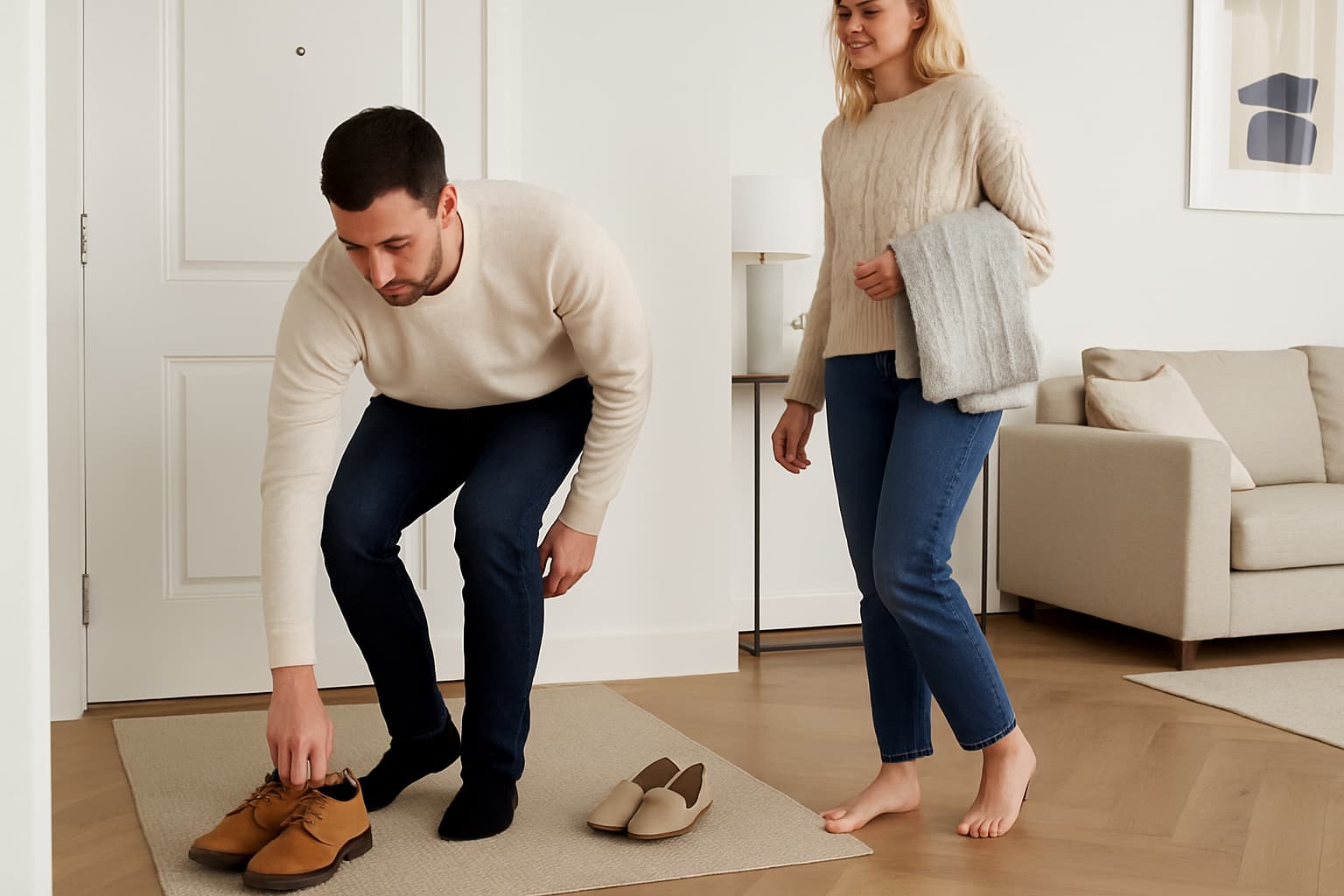
Respect outdoor areas, pools, gardens, and views
Outdoor spaces often make a private venue special, but they also need attention. Pool decks, lawns, gardens, patios, terraces, canyon views, and hillside areas can be beautiful but sensitive to overuse. Guests should keep glass away from pool areas when requested, avoid stepping into planted areas, keep furniture on stable surfaces, and make sure trash does not drift into the yard, street, or landscaping.
This matters in scenic settings such as Malibu private event venues, Topanga outdoor event venues, and Thousand Oaks private party venues, where the outdoor setting is often one of the main reasons the space was chosen. A respectful guest protects the parts of the property that make it memorable.
Be mindful of sound, parking, and neighbors
Respect for the property includes respect for the surrounding area. Many private venues are in residential neighborhoods, hillside streets, canyon roads, or quieter communities. Guests should follow parking instructions, avoid blocking driveways, keep arrival and departure noise reasonable, and follow any quiet hours or music rules.
Good guests do not put the host in a difficult position with neighbors. They keep music at the agreed level, avoid late-night shouting outside, and make sure vendors, drivers, and attendees understand the rules before problems happen.
Clean as you go
Cleanup is easier when guests manage small messes early. Throw away cups and plates as the event goes, wipe minor spills quickly, keep trash in the right place, and make sure food areas do not get out of hand. Waiting until the end allows small issues to become bigger ones.
For longer bookings, designate one person to check the space occasionally. This does not need to feel formal. A quick look at the kitchen, bathroom, outdoor areas, trash station, and main gathering space can keep the booking under control.
Report accidents quickly
Accidents happen. A respectful guest does not hide them. If something spills, breaks, stains, stops working, or gets damaged, it is better to notify the host quickly. Fast communication gives the host a chance to solve the issue before it becomes worse.
Most hosts understand that real events and productions involve movement. What matters is honesty, speed, and care. A guest who communicates clearly is usually easier to trust than one who leaves a surprise behind.
Leave the property ready for the next booking
Before leaving, walk through the property the way the host will see it. Check seating areas, bathrooms, counters, outdoor spaces, trash, personal items, furniture placement, and any areas where guests gathered. Make sure the space feels reset, not abandoned.
If furniture was moved, return it. If trash needs to be collected, gather it. If doors, gates, lights, pool areas, or outdoor features need attention, follow the host instructions. The final impression matters because it is what the host remembers after the booking ends.
Final thought
Small habits show respect because they prove that guests understand the difference between using a space and caring for it. Coasters, clean surfaces, careful furniture movement, clear communication, neighbor awareness, and a simple final walkthrough all help protect the property.
Private venues work best when guests and hosts trust each other. When guests treat the property with care, hosts are more likely to keep offering unique homes, gardens, rooftops, pools, studios, and outdoor spaces for future events and productions. That creates a better experience for everyone.