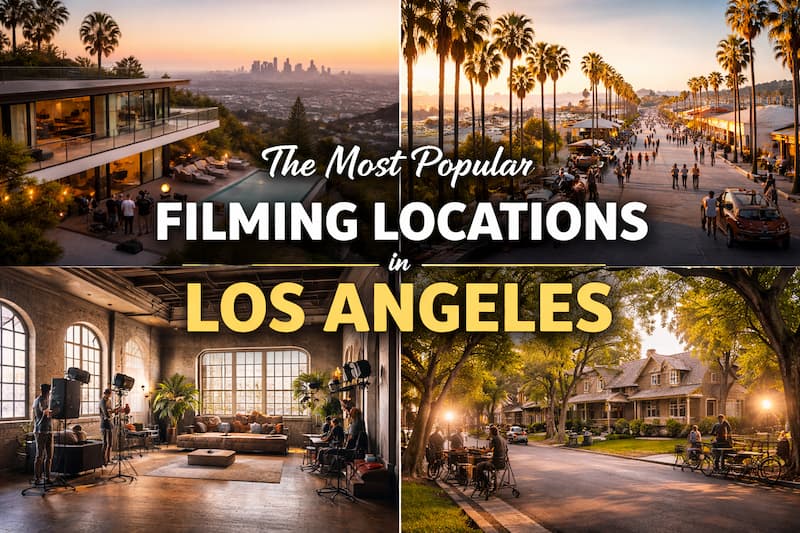
Los Angeles has no shortage of famous landmarks, but the filming locations that get used again and again are not always the obvious tourist spots. Productions return to certain neighborhoods because they offer the right mix of visual range, access, parking, light, sound control, and practical crew movement. A location becomes popular when it gives the project a strong look without making the shoot day harder than it needs to be.
For producers, photographers, content teams, commercial crews, and brand teams, the first scouting question is often not just which property looks good. It is which area gives the project the best chance of running smoothly. If you are comparing film shoot locations in Los Angeles, it helps to understand why certain neighborhoods keep showing up in commercials, music videos, interviews, lifestyle campaigns, photo shoots, and scripted scenes.
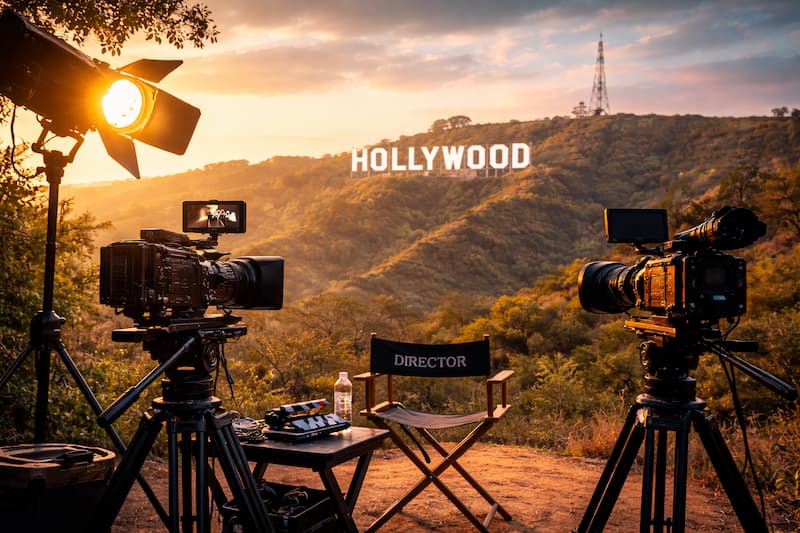
Hollywood Hills and the classic LA skyline look
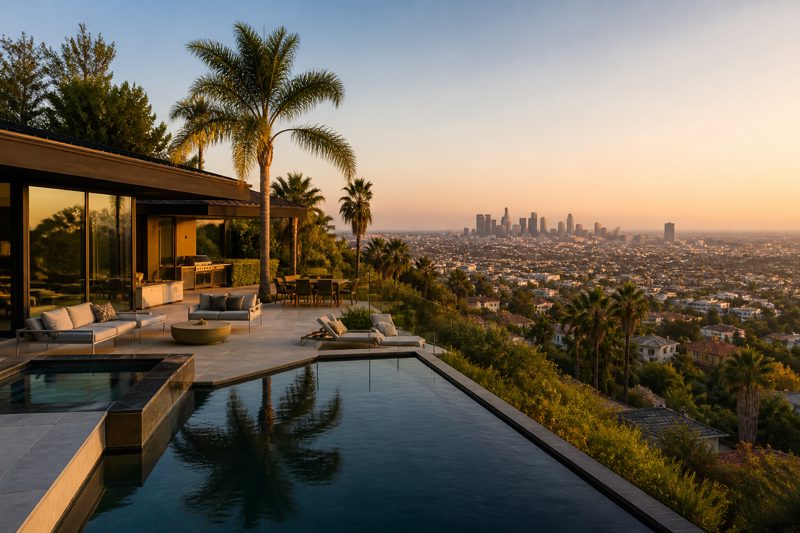
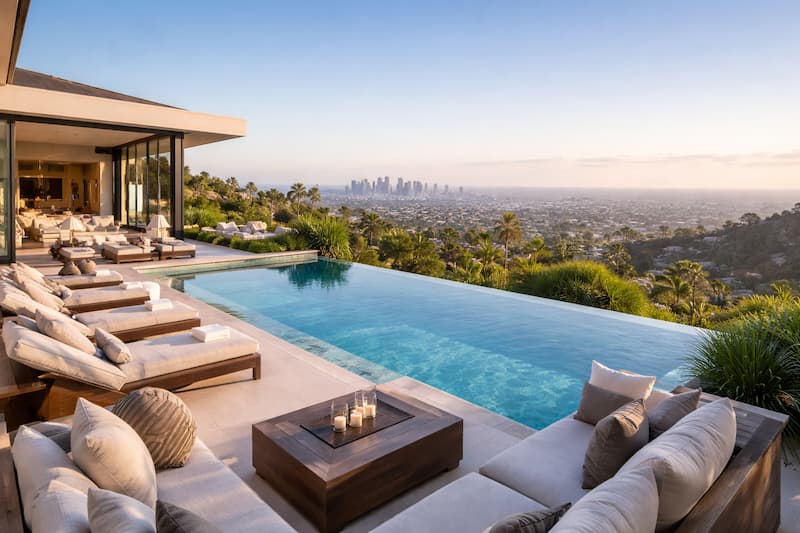
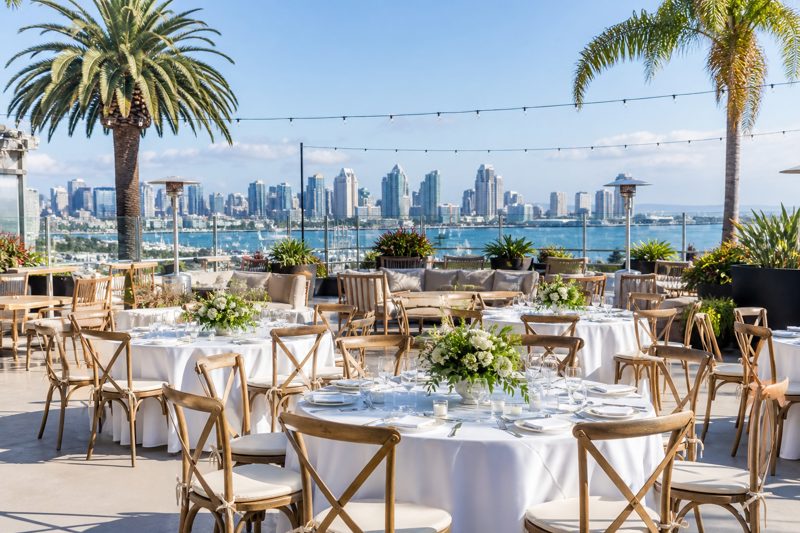
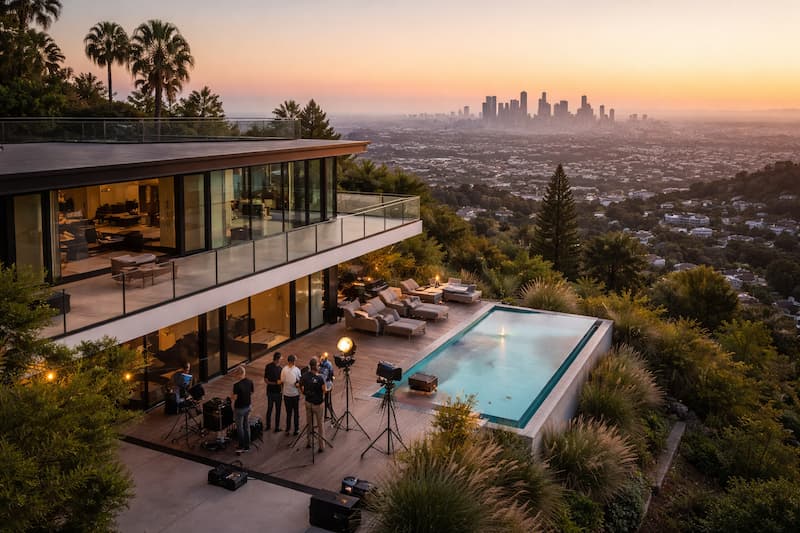
Few settings signal Los Angeles as quickly as a hillside home, a winding road, a modern terrace, or a pool deck above the city. These locations are popular because they create instant production value. A single property can provide an arrival shot, an interior scene, a balcony setup, a poolside moment, and a skyline background without forcing the crew to relocate.
For lifestyle shoots, music videos, commercials, interviews, and fashion content, filming locations in the Hollywood Hills can deliver a recognizable LA atmosphere while still keeping the project near vendors, talent, and production support. The strongest hillside homes are not just scenic. They also have clear parking instructions, usable staging areas, workable driveways, and enough layout variety to support multiple setups.
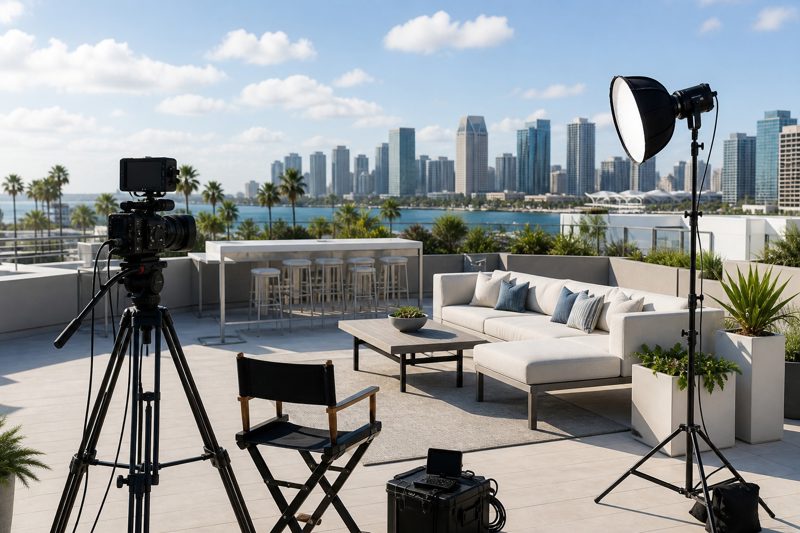
Central LA for urban streets, rooftops, and city texture
Urban scenes often need flexibility. A production may need older facades, apartments, storefronts, alleyways, rooftops, painted walls, office interiors, or street-level movement. Central neighborhoods can support that variety without making every scene feel like a postcard.
That is why crews often look for Central LA filming locations when they need a real city backdrop with multiple looks nearby. The advantage is visual density. The challenge is planning. Before booking an urban location, confirm load-in, street noise, nearby construction, parking, talent holding, and how quickly the crew can reset between shots.
Griffith Park, hillsides, and nature near the city core
One reason Los Angeles works so well for production is that city streets, hillsides, parks, and residential interiors can often be combined into one efficient shoot plan. Griffith Park and nearby hillside areas are useful because they provide trails, ridgelines, dry brush, shaded pockets, and wide views without requiring a full wilderness move.
For smaller productions, this can be a major advantage. A crew can capture an outdoor scene, then move to a nearby home, studio, or interior location without losing half the day. The best plan is usually to build a practical cluster of nearby options instead of depending on one perfect location to solve everything.
The Westside coastline for bright Southern California visuals
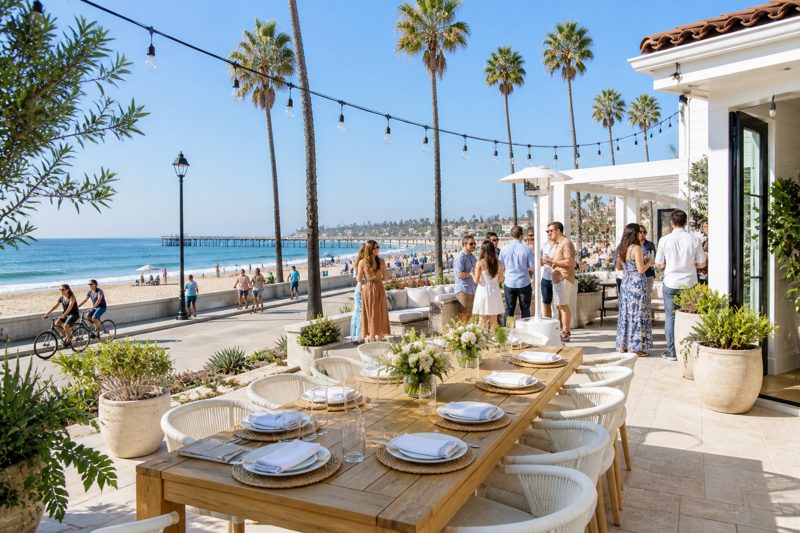
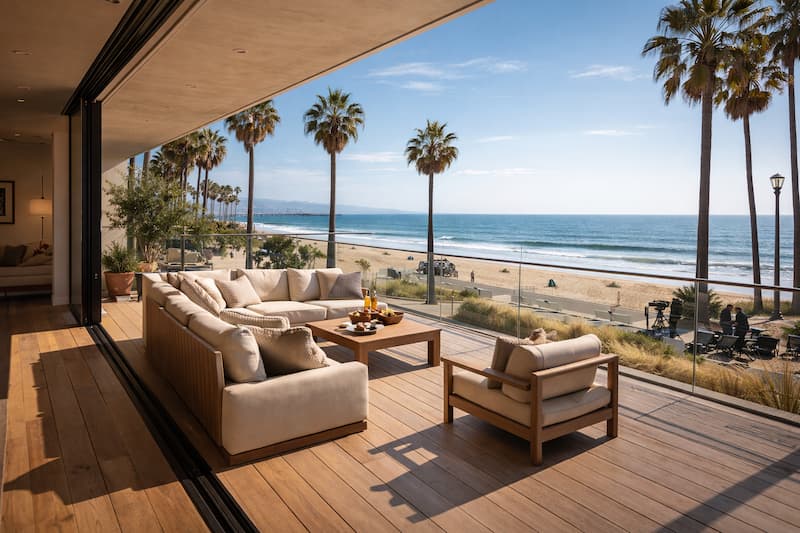
When a project needs clean daylight, beach energy, open sky, or a polished lifestyle look, the Westside coastline is hard to replace. Coastal areas bring a different kind of light and atmosphere. Even simple interiors can feel more cinematic when they connect to decks, patios, balconies, ocean air, palm trees, or large windows.
Santa Monica filming locations near the beach are useful for wellness campaigns, fitness content, family-friendly shoots, food and beverage work, and bright lifestyle scenes. Venice photo shoot locations can feel more creative, casual, colorful, and social, which works well for fashion, streetwear, creator content, music videos, and brand campaigns. When the project needs privacy, scale, and stronger natural scenery, Malibu filming locations with ocean views can give a shoot a more elevated coastal look.
Culver City and Burbank for production-friendly access
Some areas become popular because they make production easier. A good location is not only about what appears on camera. It is also about how fast the team can arrive, unload, park, feed people, move gear, solve problems, and keep the schedule moving.
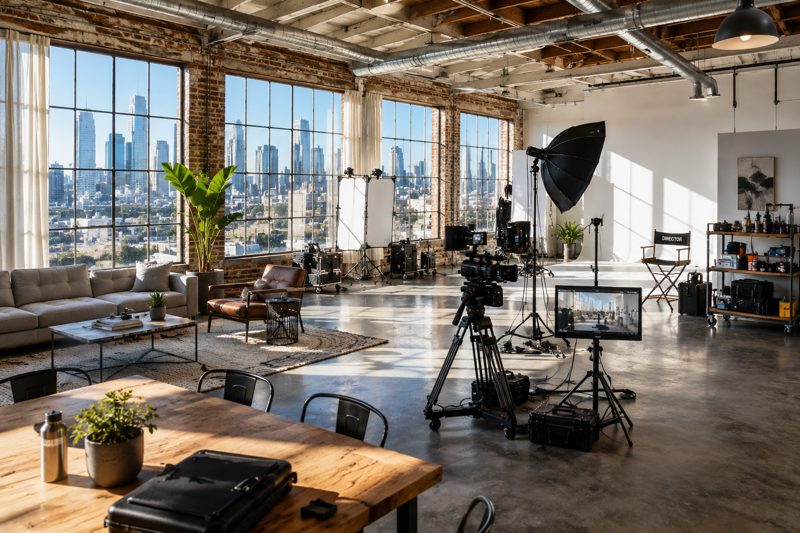
Culver City filming locations are useful for branded content, interviews, commercial shoots, showroom-style scenes, product work, and creative agency projects. The area often gives teams a polished Westside base without feeling too formal. Burbank filming spaces near the studios are especially practical when a project depends on vendors, talent, rental houses, crew members, or studio-adjacent access.
Residential streets and homes that can play many places
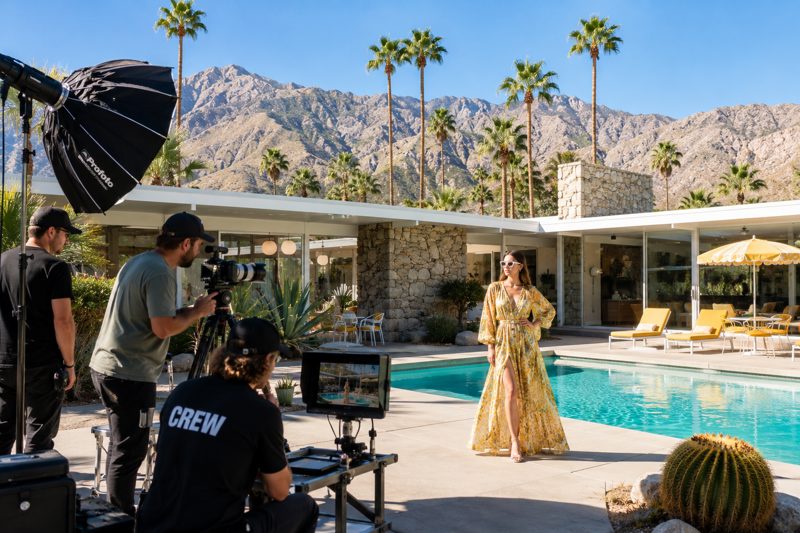
Not every shoot needs an obvious Los Angeles backdrop. Many productions need a believable house, driveway, kitchen, backyard, pool, garden, front door, family room, office, or quiet street that can represent many different stories. These locations are valuable because they feel real without distracting from the scene.
Pasadena homes for film shoots are useful when a project needs architecture, gardens, mature trees, historic details, or a calmer residential mood. Glendale locations for video shoots can offer hillside homes, practical access, and a useful position between the Valley and central Los Angeles. For productions that need residential comfort without the pressure of denser neighborhoods, Thousand Oaks homes for filming can also be worth comparing.
Canyon and hillside locations for privacy and natural texture
Canyon settings work well when a shoot needs privacy, greenery, ridgelines, rustic details, outdoor decks, or a more relaxed creative mood. They can feel removed from the city while still being reachable for a practical production day.
Topanga filming locations are especially useful for wellness content, music videos, interviews, lifestyle campaigns, and scenes that need a natural atmosphere instead of a polished city look. The tradeoff is logistics. Narrow roads, limited parking, canyon sound, and load-in timing should be handled before the crew arrives.
Polished private homes for luxury and lifestyle work
Luxury products, beauty campaigns, fashion content, private interviews, and high-end lifestyle shoots often need a setting that feels controlled and elevated. In these cases, the property needs to look refined without feeling generic. Architecture, natural light, outdoor space, clean interiors, and strong arrival shots all matter.
Beverly Hills locations for photoshoots can work well when the creative direction calls for polish, privacy, luxury, or a more curated residential look. These spaces are often strongest when the production needs a private home setting but still wants a high-end visual signal from the neighborhood.
Why the same LA filming areas keep getting reused
Visual appeal gets a location noticed, but reliability gets it reused. Producers remember places that look good from multiple angles, have clear rules, support fast resets, and do not fall apart under normal production demands. Parking, bathrooms, power, sound, staging, talent holding, food setup, and equipment movement all affect whether a location becomes a favorite.
This is why the same categories keep appearing on call sheets: hillside homes with skyline views, coastal houses with bright daylight, clean commercial spaces, studio-adjacent areas, quiet residential homes, flexible outdoor spaces, and canyon properties with privacy. They give teams creative options while reducing avoidable problems.
How to choose the right filming location in Los Angeles
Start with the look, then test the logistics. If the project needs skyline value, Hollywood and hillside neighborhoods may be the right direction. If it needs urban texture, Central LA may work better. If it needs beach light, look west. If it needs production support, compare Culver City and Burbank. If it needs residential character, consider Pasadena, Glendale, Thousand Oaks, or other quieter areas. If it needs privacy and nature, Topanga or Malibu may be stronger choices.
The best filming location is not always the most famous one. It is the one that supports the shot list, schedule, crew, sound, parking, and story at the same time. When the location gives you both the look and the logistics, the entire production day becomes easier.
Summary
The most popular filming locations in Los Angeles are popular because they solve creative and practical problems together. Hillside homes offer skyline value. Central neighborhoods provide urban variety. Coastal areas deliver bright Southern California visuals. Culver City and Burbank help with production access. Pasadena, Glendale, and Thousand Oaks offer residential options. Malibu and Topanga add scenery, privacy, and natural atmosphere.
For producers, photographers, content teams, and brands, the lesson is simple: scout the area as carefully as the property. The neighborhood affects the look, the schedule, the sound, the arrival, the parking, and the final feel of the shoot. When those pieces line up, a Los Angeles filming location becomes more than a backdrop. It becomes part of the production value.