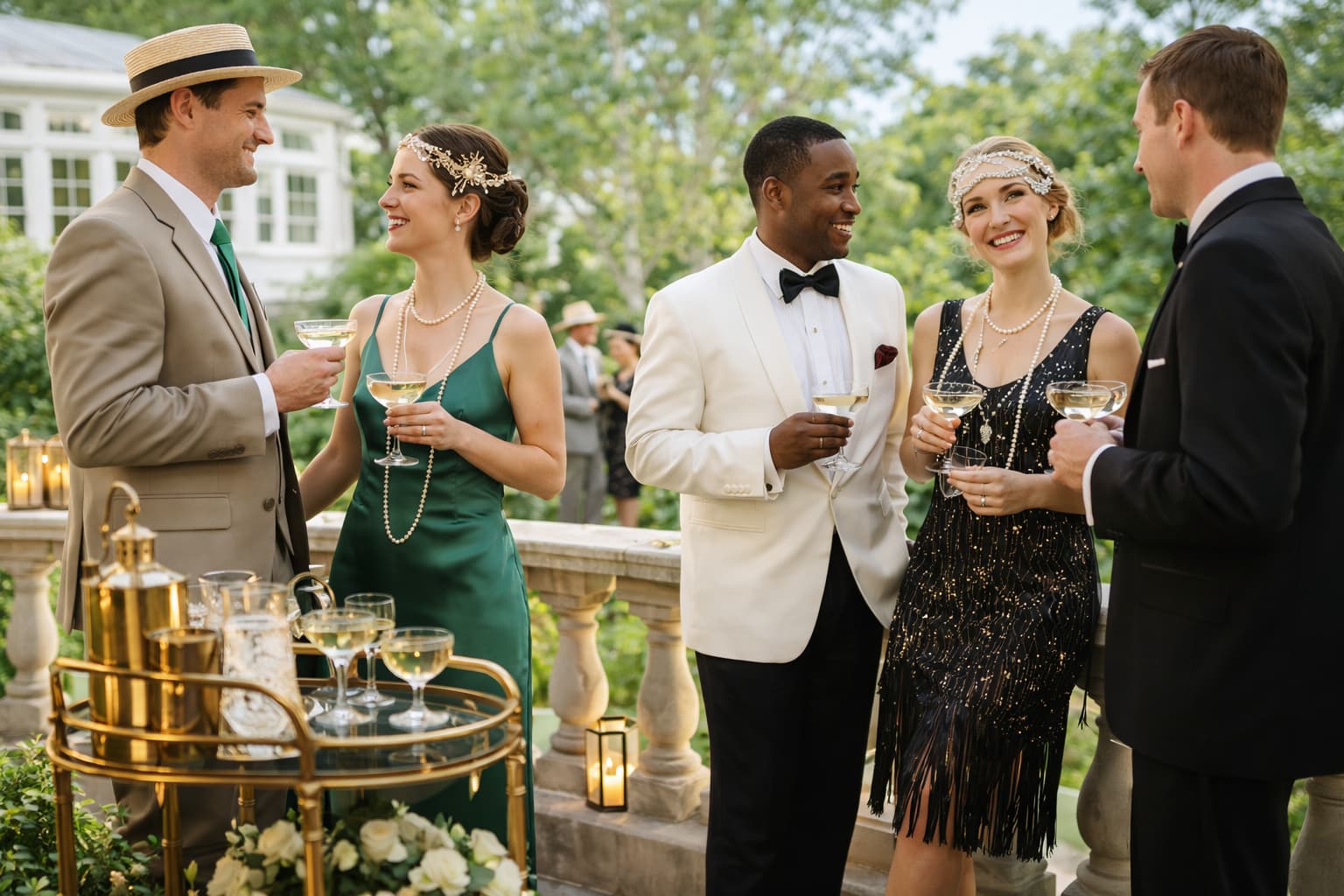
A truly memorable 1920s-themed party is not built on feather boas and novelty props. It comes from atmosphere. When the space, lighting, and layout feel right, guests instinctively step into the era without being told to. The goal is not to recreate a movie set, but to create a setting that feels timeless, elegant, and intentional.
The most successful 1920s parties start by focusing on the environment first. Clean lines, symmetry, and architectural details do more to sell the era than themed accessories ever could. When the space already carries character, everything else becomes easier.
Start with the setting
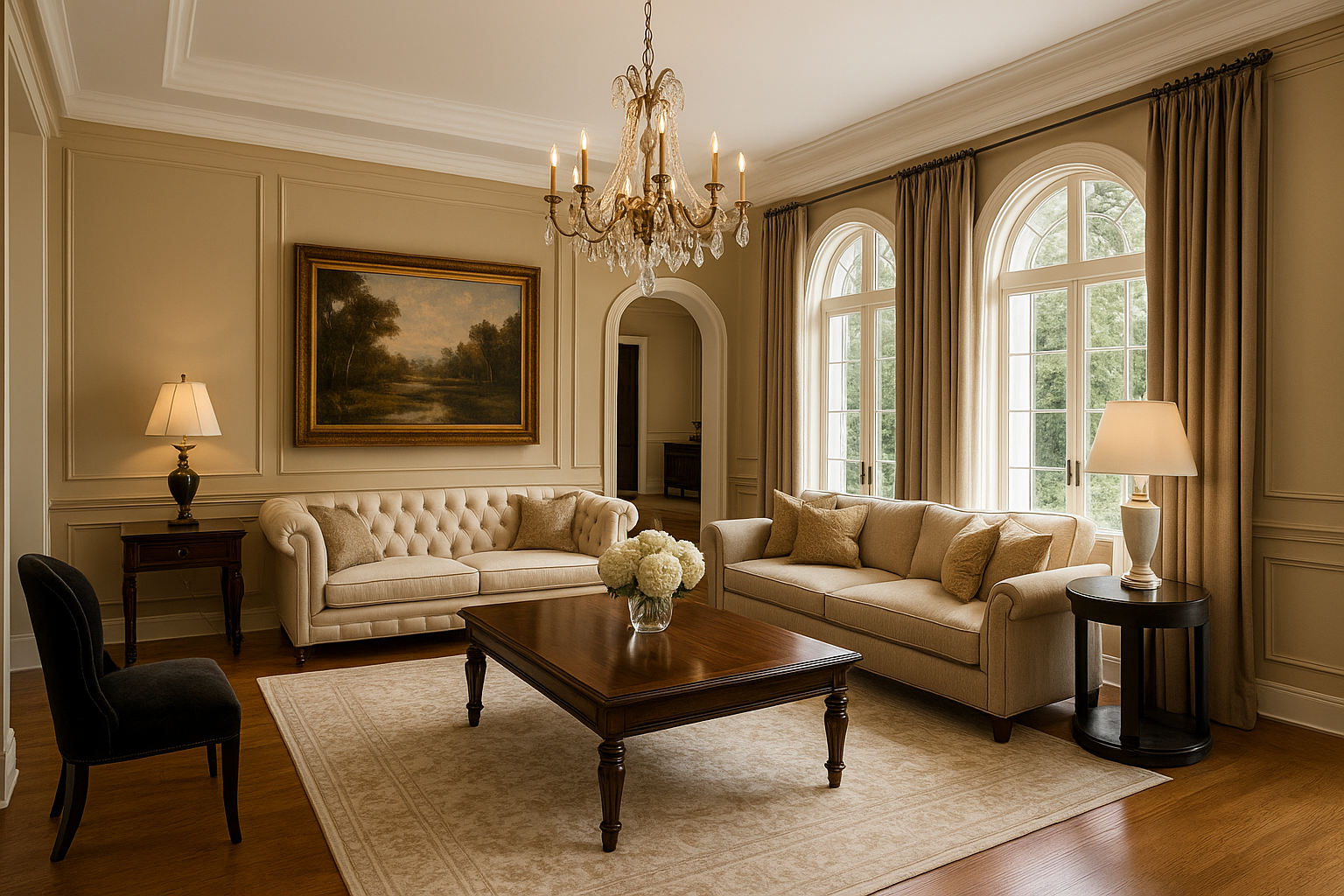
The foundation of an authentic 1920s party is the setting itself. Homes with strong architectural features, generous ceiling height, and defined rooms immediately lend credibility to the theme. Wide staircases, formal entryways, and balanced proportions reflect the visual language of the era without any added decor.
This is why many hosts seek out historic or character-rich homes rather than blank event halls. Locations like classic Hollywood houses to rent often feature period-inspired details that reduce the need for heavy styling and allow the space to do the storytelling.
Color, texture, and restraint
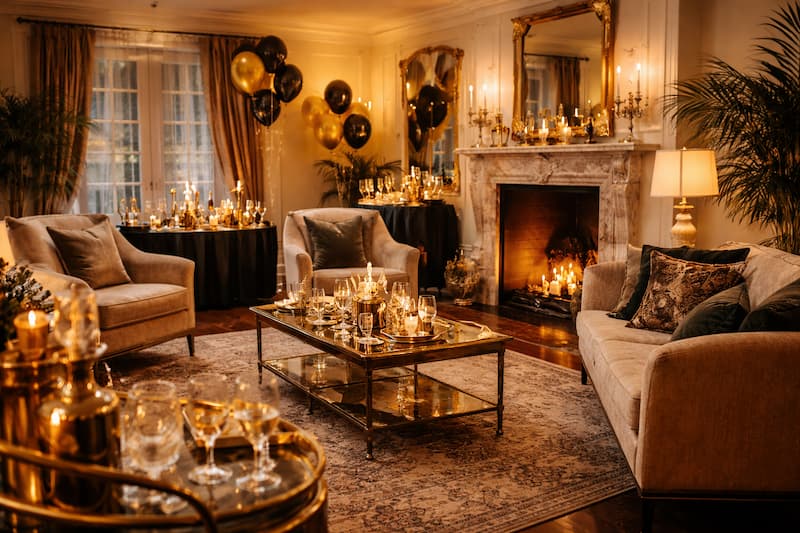
A 1920s palette works best when it stays restrained. Think black, cream, brass, deep green, and muted gold rather than loud metallics or harsh contrasts. Texture matters more than color. Velvet, glass, polished wood, and subtle metallic accents evoke sophistication without feeling theatrical.
Avoid novelty signage or over-literal decorations. Instead, let materials and finishes carry the theme. Even a small number of well-chosen elements can establish the mood when they are consistent and intentional.
Lighting sets the mood
Lighting is often the difference between a party that feels staged and one that feels immersive. Overhead lighting flattens a space and breaks the illusion. Use table lamps, floor lamps, and soft uplighting to create warmth and depth. Candle clusters and shaded fixtures help guide guests through the space naturally.
Lower, warmer light encourages conversation and slows the pace of the evening. It also highlights architectural features and textures that make the setting feel grounded in the era.
Design the flow, not the floor plan
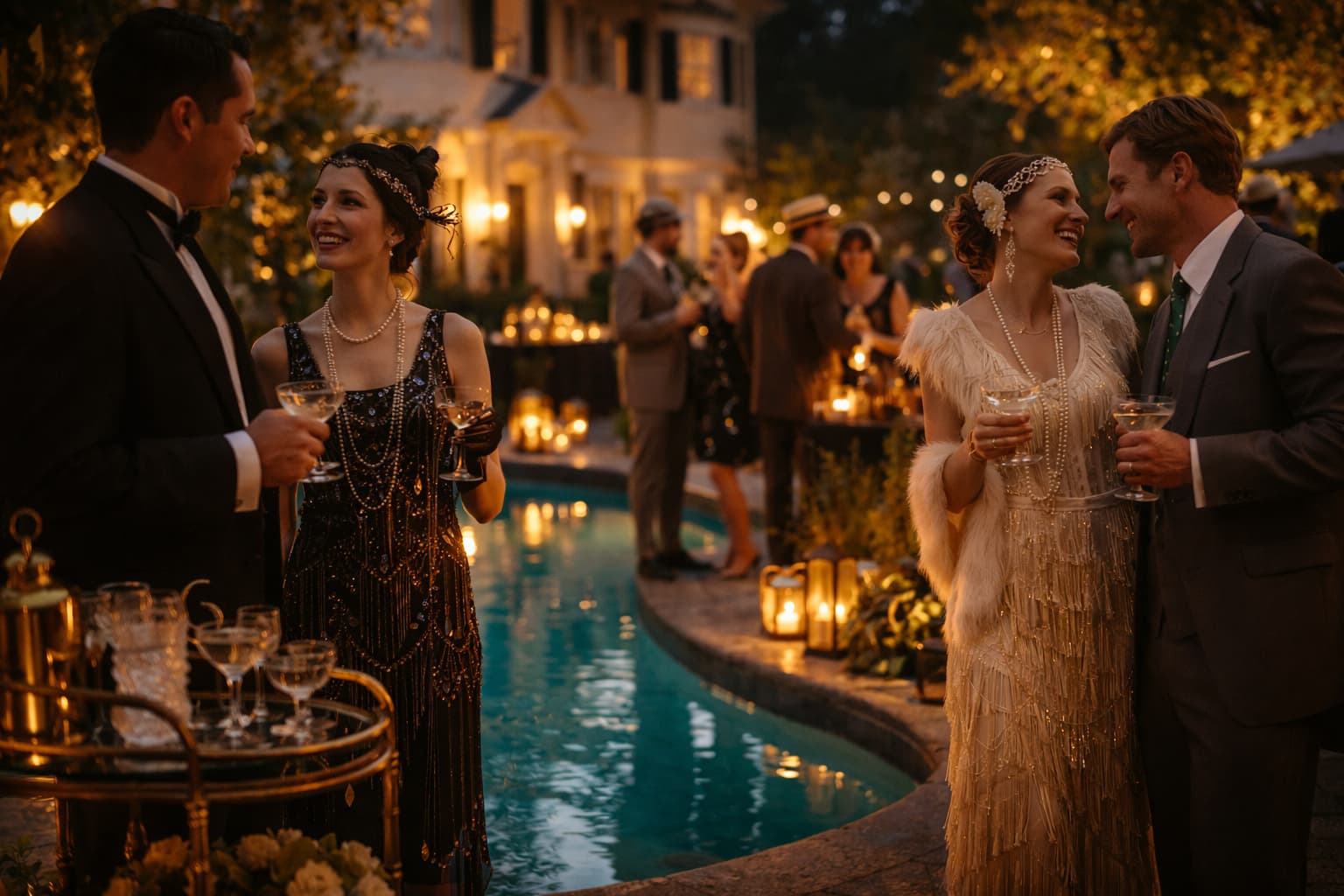
Rather than filling rooms with furniture, create small conversational clusters. Chairs arranged in pairs, standing-height cocktail tables, and open sightlines help guests circulate while still feeling anchored. This mirrors how social gatherings functioned during the period and keeps the space from feeling crowded.
Music, bar placement, and serving areas should feel integrated rather than separate. When guests move naturally from one area to another, the experience feels cohesive instead of segmented.
Subtle details make it believable
Authenticity lives in the details, but only when they are understated. Glass barware, simple printed menus, and era-appropriate music selections go further than costumes or themed signage. These touches support the atmosphere without pulling focus.
When the environment stays calm and visually consistent, guests relax into the experience. The party feels less like an event and more like stepping into a different time.
Bottom line: An authentic 1920s-themed party succeeds when the space does the heavy lifting. By choosing the right setting, controlling light, and designing with restraint, you create an atmosphere that feels elegant, immersive, and timeless without ever feeling forced.