Menu

Event and Production Venues near Staten Island, NY
Refine by location, venue category, and booking type.

1-20 of 481 listings
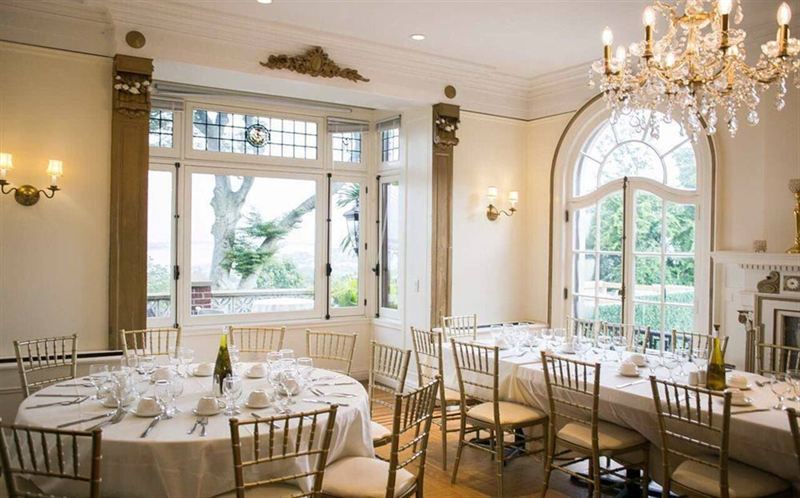
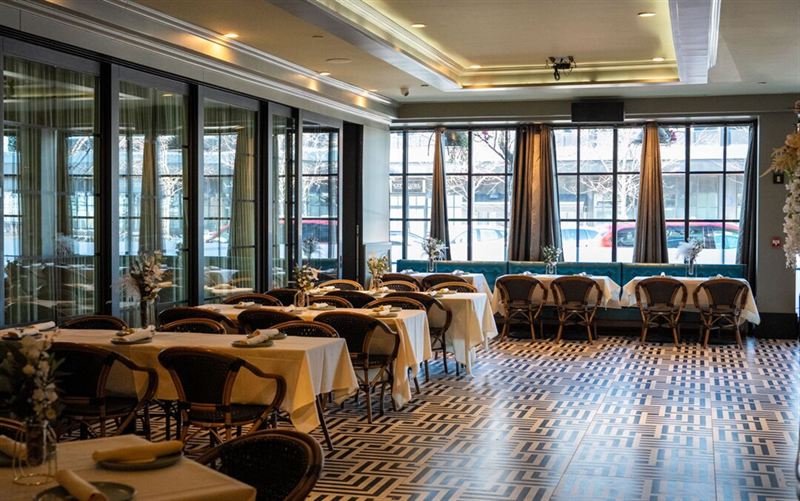
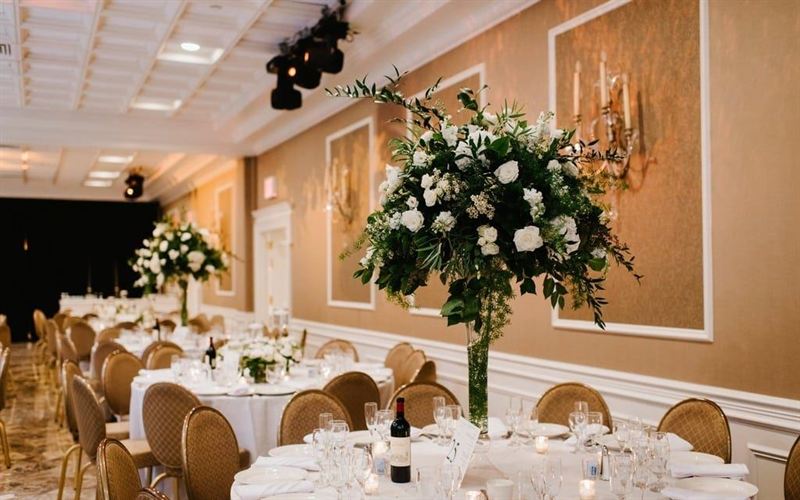
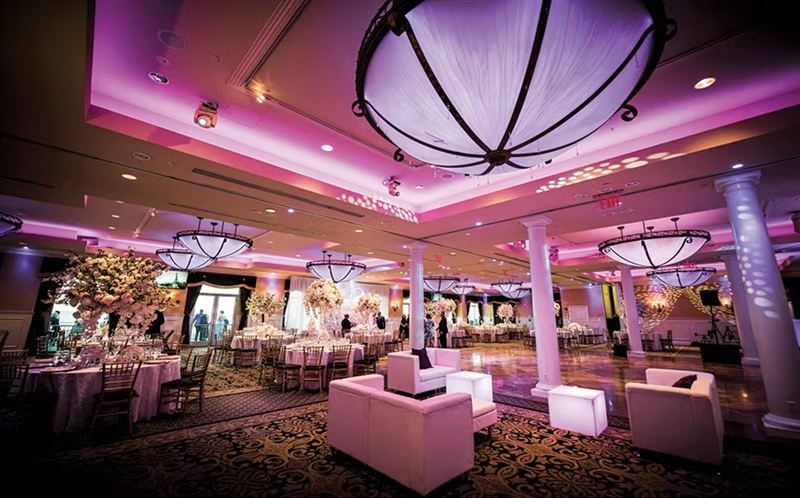
Historic Elegance Meets Timeless New York Charm

Quick reply · 1299 sf · 110 guests

Manhattan, NY from $350 /hr

Explore Staten Island

Planning an Event or Production in Staten Island

Staten Island offers a venue market that feels distinctly New York while operating at a more residential, neighborhood-oriented scale than the denser boroughs. Planners can find traditional celebration spaces, private-feeling settings, waterfront locations, and properties with more breathing room for arrivals, staging, and outdoor components. That mix makes the borough useful for events that want New York access without relying on a Manhattan-style building footprint. For gatherings that benefit from lawns, terraces, courtyards, or open-air layouts, planners can review outdoor venues on Staten Island as part of the search. The borough’s geography also matters: guests may arrive from Brooklyn, New Jersey, or elsewhere in the city, so transportation should be considered early rather than after a venue is chosen. Overall, Staten Island works best when the location itself is part of the plan, especially for hosts who value space, privacy, and a less compressed event environment.

Venue Types That Stand Out in Staten Island

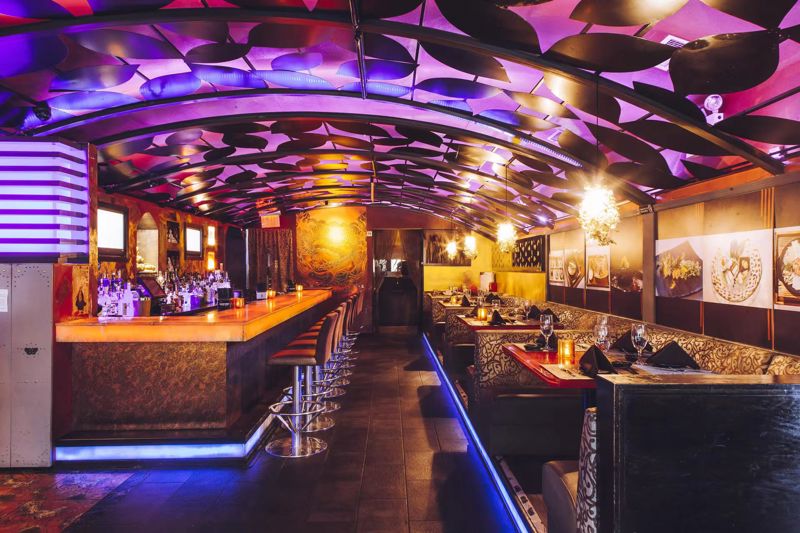
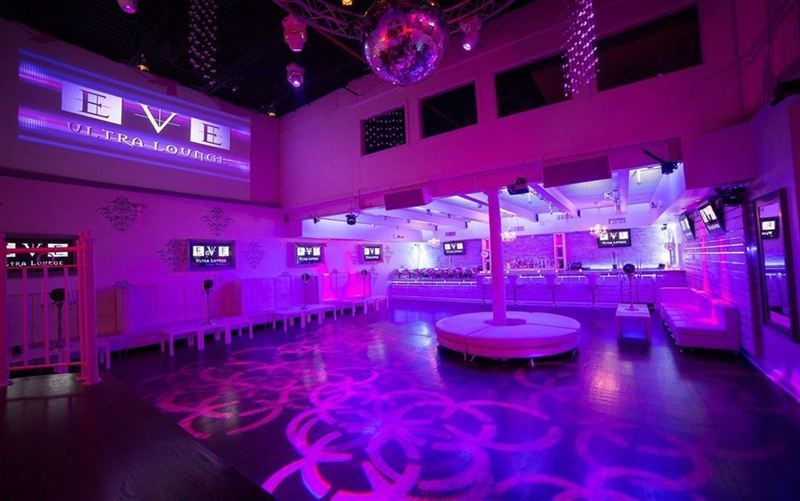
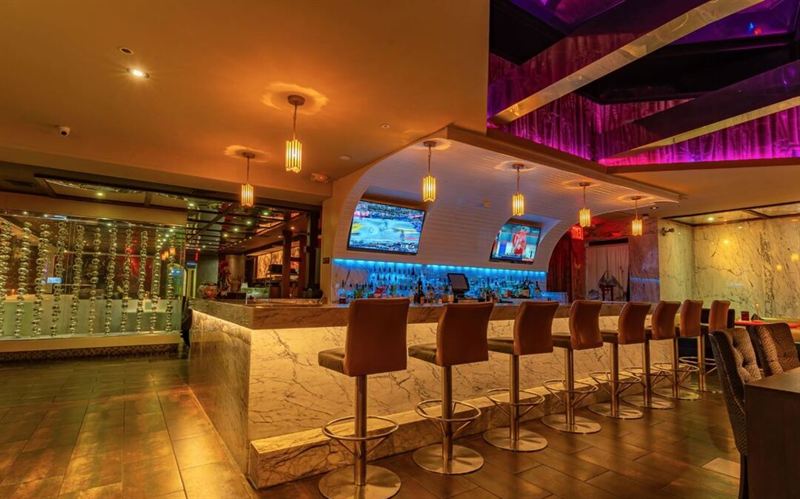
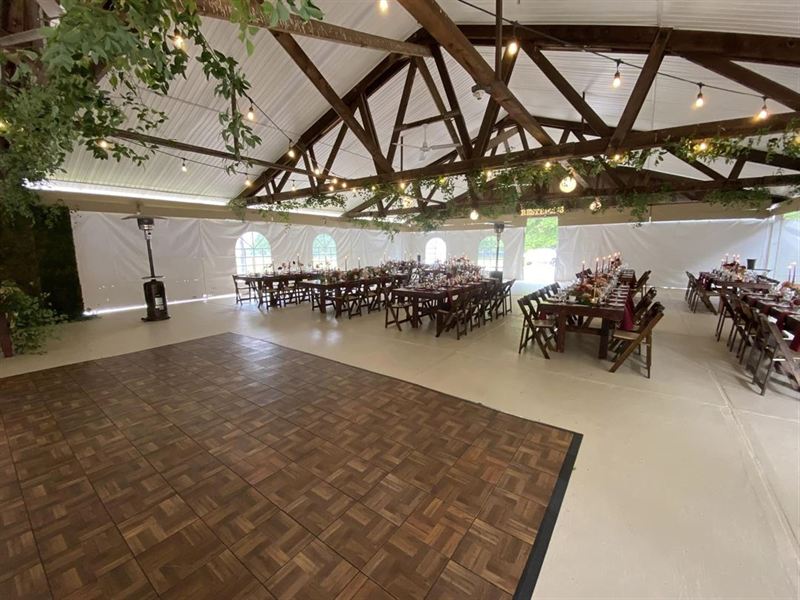
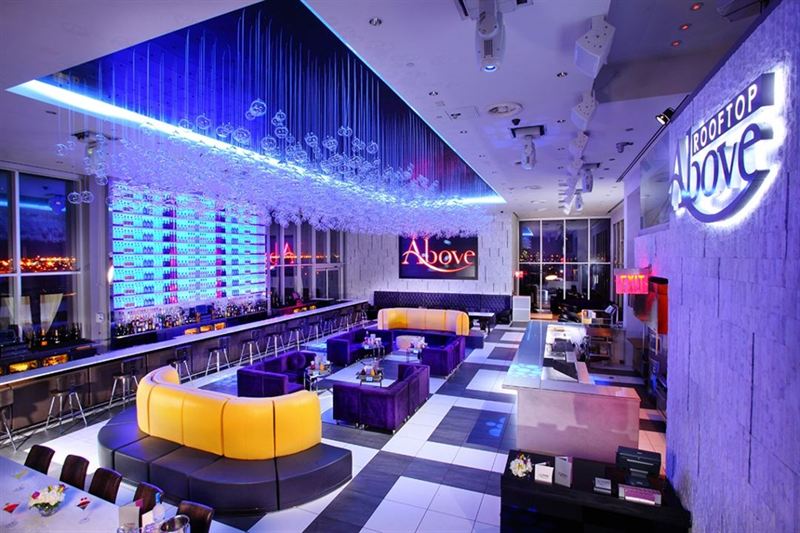
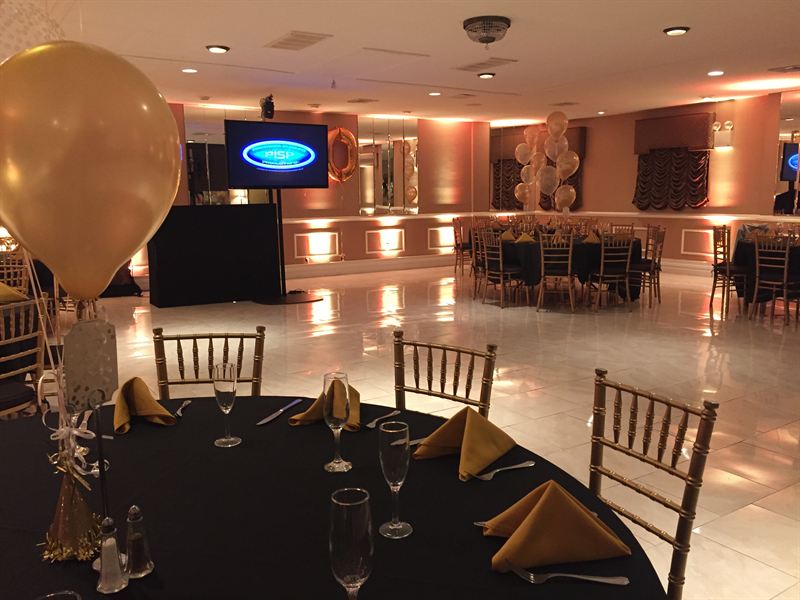
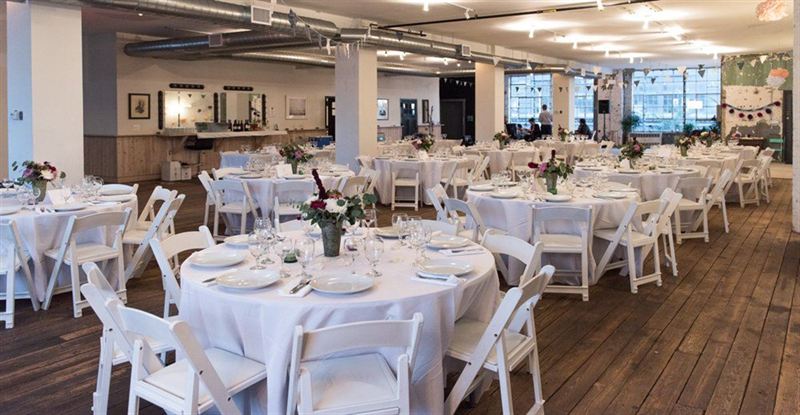
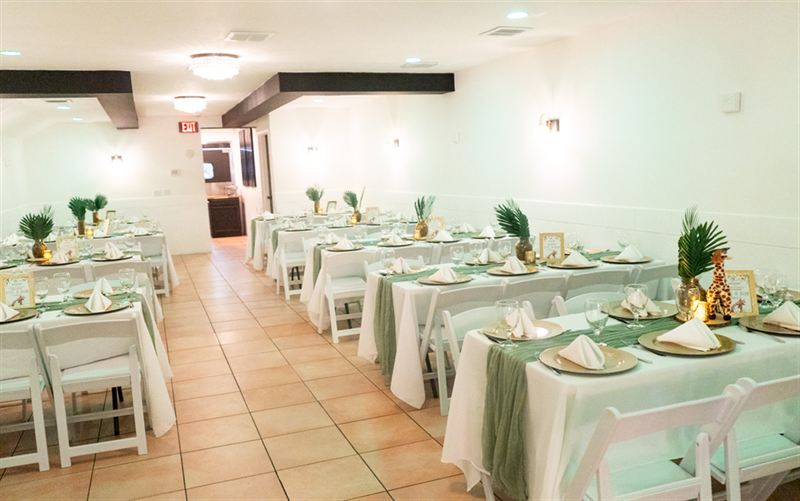
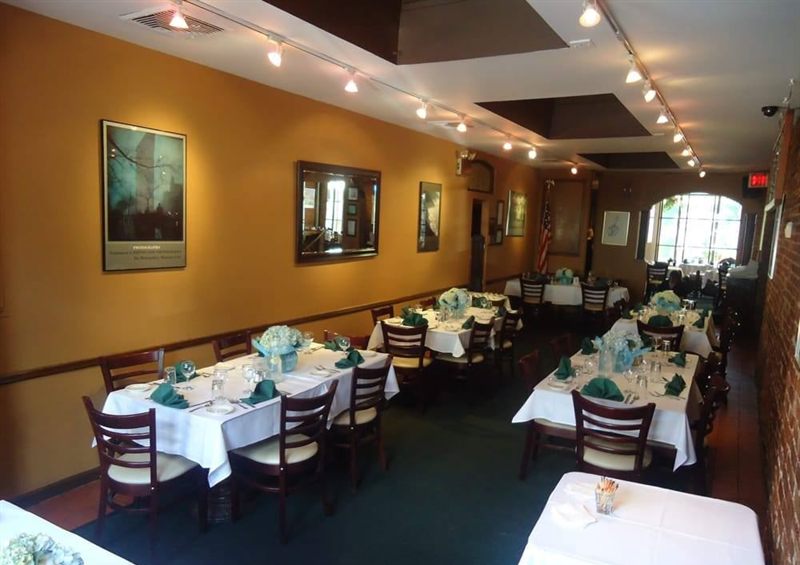
The strongest Staten Island inventory tends to favor spaces that can handle full-service social events rather than only short meetings or bare studio rentals. Traditional reception rooms remain important, so planners comparing formal layouts can explore Staten Island ballroom venues for seated dinners, ceremonies, milestone celebrations, and events that need a defined dance floor or banquet setup. The island setting also creates a natural role for Staten Island waterfront venues when views, outdoor circulation, or a sense of arrival are priorities. Beyond those categories, the local market can include restaurants, event centers, rooftops, and residential-style spaces, giving planners different levels of formality. A practical advantage is that many Staten Island searches can be approached by function first: determine whether the event needs dining, ceremony space, parking, load-in access, or weather backup, then narrow the property type. That produces a more useful shortlist than choosing by appearance alone.

Weddings, Parties, and Guest-Facing Events

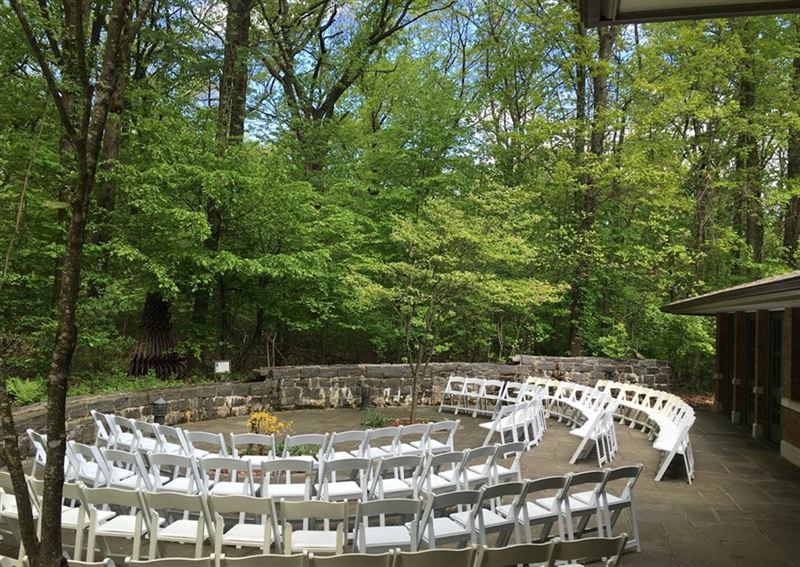
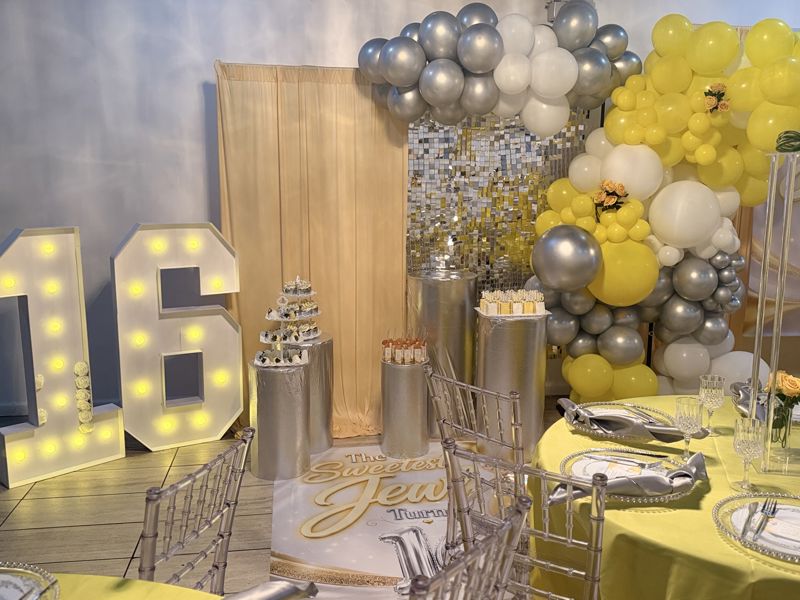
Staten Island is especially well suited to weddings, family celebrations, birthdays, anniversaries, showers, and community gatherings where guests will spend several hours on site. Couples can compare Staten Island wedding venues when they need ceremony and reception flexibility, while planners arranging birthdays or social gatherings can explore outdoor party venues on Staten Island for spaces that add patios, lawns, or open-air guest areas. Because many attendees may be driving rather than moving only by subway, parking capacity, rideshare staging, and the timing of bridge traffic can affect the guest experience. Hosts should also think about whether catering is in-house, whether outside vendors are permitted, and how late music can continue. For larger family events, separate areas for cocktails, dining, children, or older guests can be more valuable than raw square footage. The best fit is usually a property whose layout supports the actual flow of the celebration from arrival through departure.

Meetings, Productions, and Technical Planning

Corporate gatherings and production work on Staten Island benefit from a different checklist than social events. Teams planning off-sites, networking programs, trainings, or client functions can compare Staten Island corporate event venues and then confirm Wi-Fi, presentation capability, quiet breakout areas, and food-service timing. Film and content crews can review Staten Island film production venues when they need locations with usable interiors, exterior character, or enough room for equipment and crew movement. For production bookings, power access, sound conditions, parking for vans, holding space, and permission for lighting or temporary set dressing should be discussed before contracting. Staten Island can be attractive when a project wants a New York setting without the same density and curb-management pressures found in more central areas. Still, crews should build travel time into call sheets and confirm any neighborhood restrictions that could affect early arrivals, generators, exterior lighting, or late wrap times.

How Staten Island Compares with Nearby Markets

Staten Island should be compared with nearby markets based on the event’s guest base and the kind of property needed, not simply on borough name recognition. If most attendees are coming from the eastern side of New York City, compare Brooklyn venue options because Brooklyn may reduce travel while offering a denser mix of urban spaces. For planners who need the broadest central-city inventory or want a more metropolitan setting, the search can expand to New York City venue options. Staten Island becomes more compelling when parking, privacy, outdoor room, or a destination-like property matters more than subway convenience. It can also work well when a meaningful share of guests are coming from New Jersey or southern Brooklyn. The tradeoff is straightforward: Staten Island may provide a less compressed venue experience, but planners should be more deliberate about transportation. A good comparison therefore weighs access, parking, property character, vendor logistics, and total guest travel rather than venue price alone.

Booking Logistics and Operating Considerations

Before booking in Staten Island, confirm the operating details that can make or break an otherwise strong property. Ask for the permitted guest count for the exact layout, parking or valet capacity, load-in route, event end time, music restrictions, and the venue’s rain plan if any portion is outdoors. If guests are arriving from multiple boroughs, communicate travel guidance early and consider whether shuttle service or scheduled rideshare pickup would improve the departure period. For weddings and larger celebrations, verify where vendors can stage and whether catering, rentals, security, or cleanup must come from approved providers. Production teams should confirm electrical access, exterior-use rules, crew parking, and any limits on equipment. Finally, compare the full cost rather than just the hourly or rental rate: staffing minimums, food and beverage requirements, overtime, insurance, cleaning, and security can materially change the total. A detailed operating conversation before payment usually prevents the most common surprises.