Explore Lemont venues
Explore Lemont
What Makes Lemont Distinct for Events and Productions
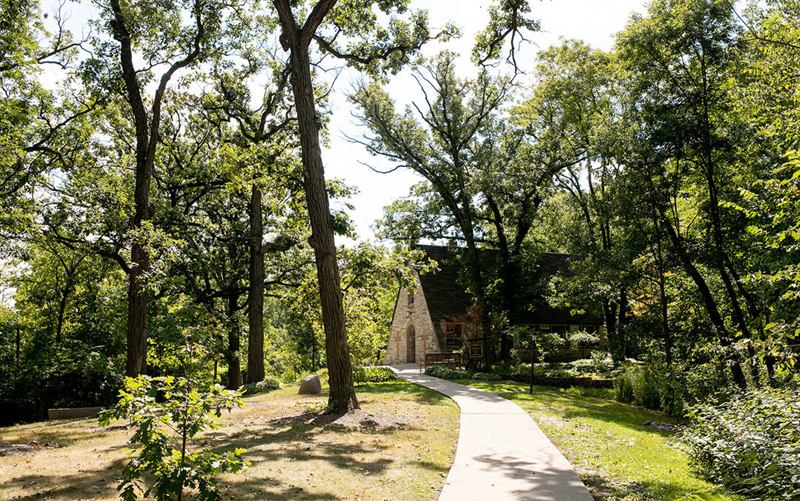
Lemont is one of the Chicago suburbs where the landscape tells the town's story immediately. The village developed along the Illinois & Michigan Canal, and its limestone-quarry industry left behind both historic buildings and a rugged physical setting of bluffs, waterways, quarry lakes, and stone. The Heritage Quarries Recreation Area preserves that relationship between canal history and former industrial land, while downtown retains a collection of older structures that feel very different from a conventional postwar suburb. Argonne National Laboratory adds a modern scientific and institutional presence only a short distance from that historic core. For planners, Lemont corporate event venues can therefore serve a surprisingly broad audience: local businesses, research-related groups, associations, nonprofit gatherings, and regional teams. Lemont's advantage is contrast. A meeting can happen in a polished indoor room while the surrounding town supplies canal bridges, limestone architecture, trails, and quarry scenery that make the day feel rooted in a place rather than in an anonymous suburban corridor.
Venue Types That Fit Lemont
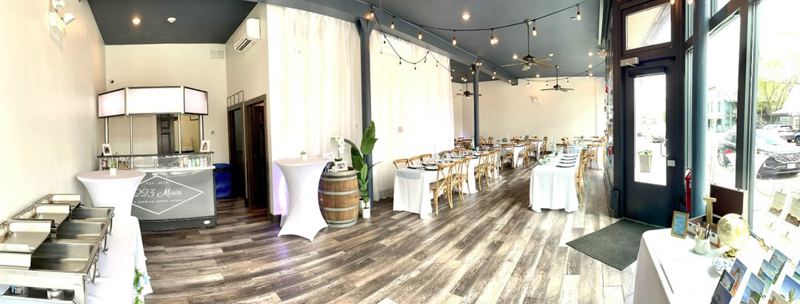
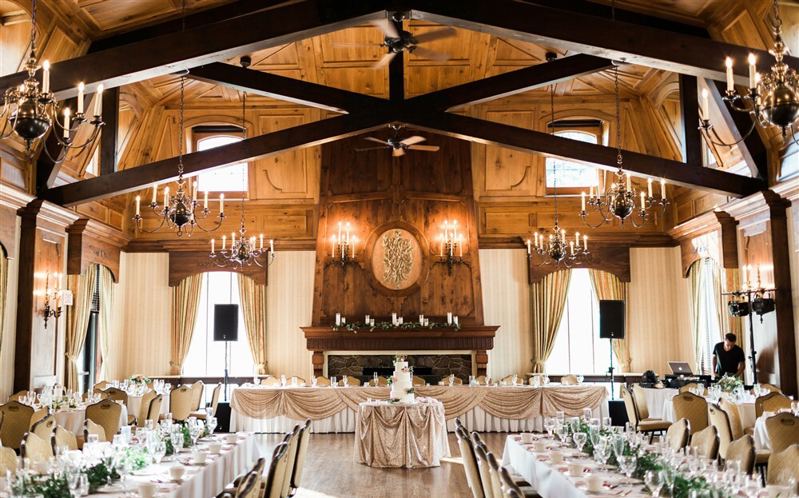
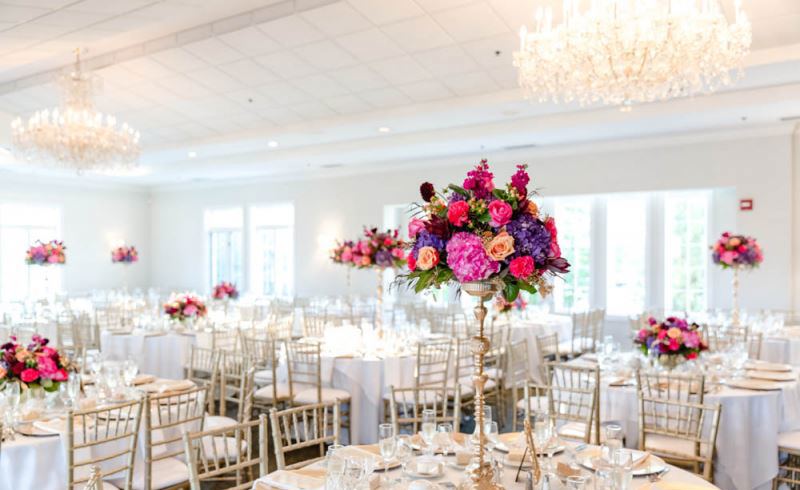
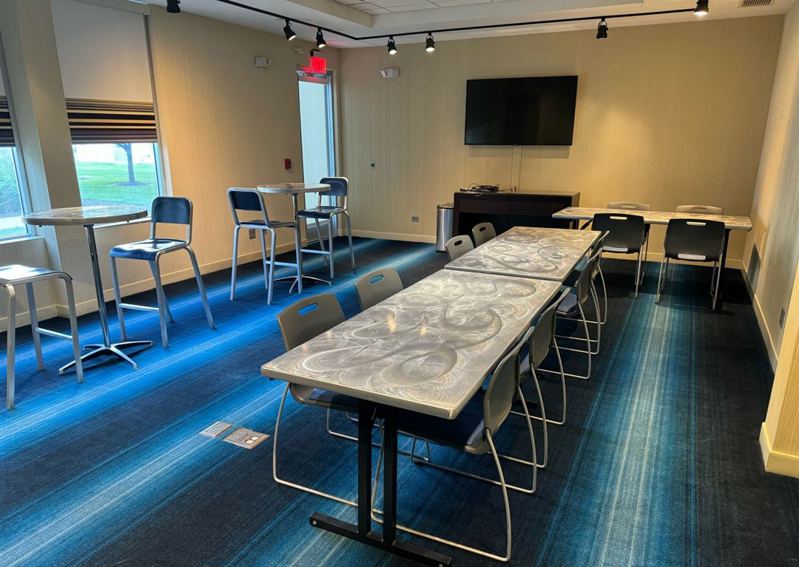
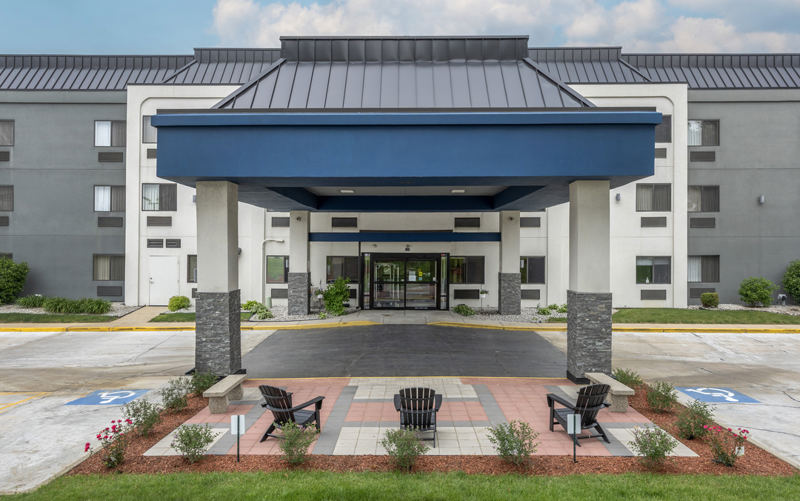
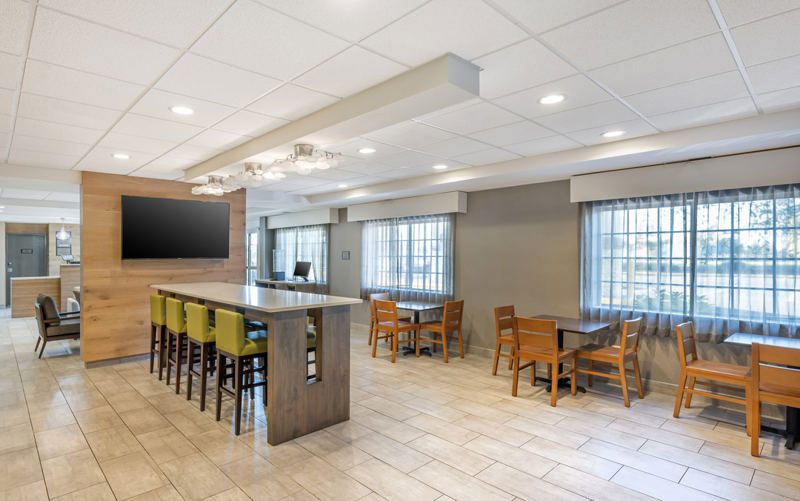
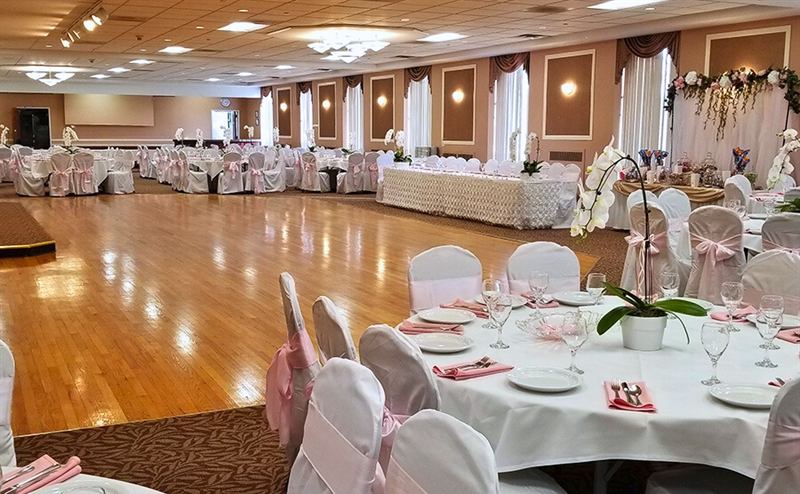
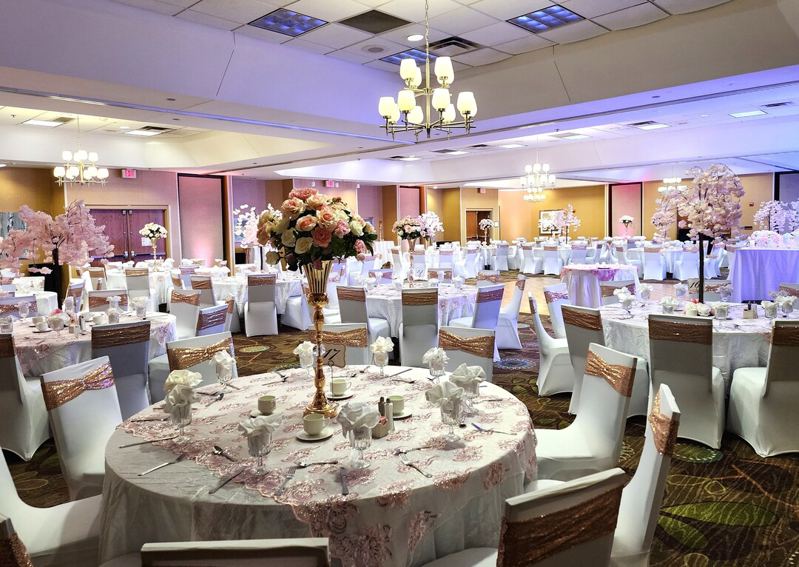
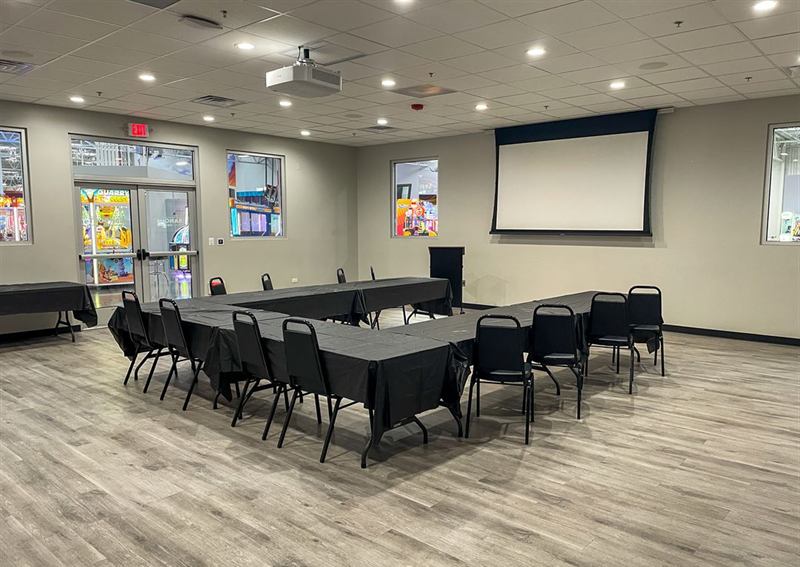
Lemont's useful venues tend to fall into two groups: flexible indoor gathering spaces and properties that benefit from the village's outdoor or historic character. Planners can compare Lemont event centers for banquets, receptions, community programs, and larger gatherings with straightforward floor plans. For training days, classes, board meetings, or team programs, planners can use Lemont event-center meeting venues to narrow the inventory toward functional rooms. The town's hills and older street pattern matter when evaluating access, particularly for spaces close to downtown or the canal. Some properties can feel almost small-town and historic, while others sit near newer commercial development and major roads. Golf-oriented and outdoor properties in the broader Lemont area can add landscape and ceremony options, but they may require more weather planning. A venue tour should include the surroundings: the value of a Lemont property often comes from whether guests can experience downtown, the canal corridor, or quarry scenery without turning the event into a complicated transportation plan.
Weddings, Parties, and Guest-Facing Events
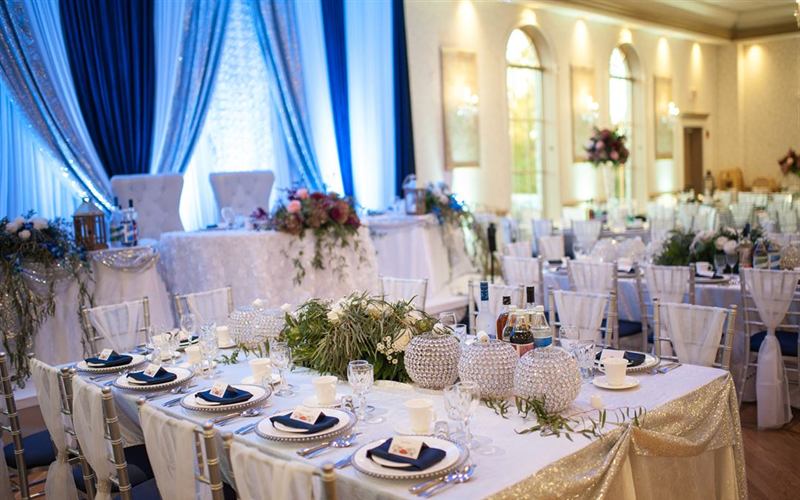
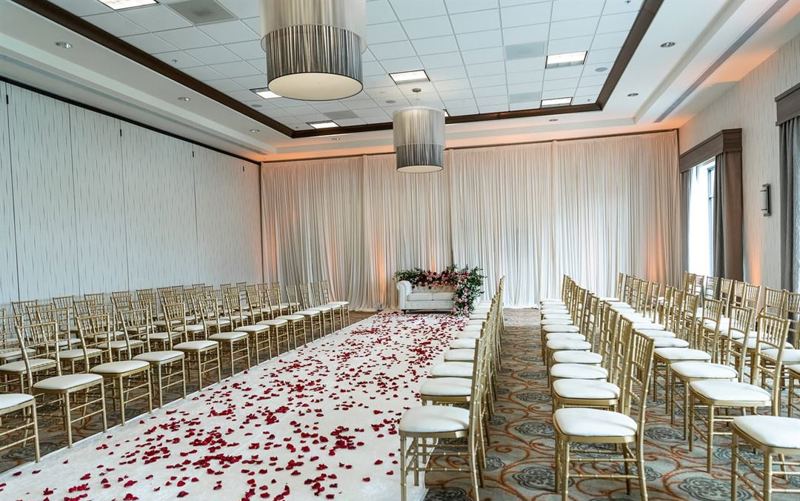
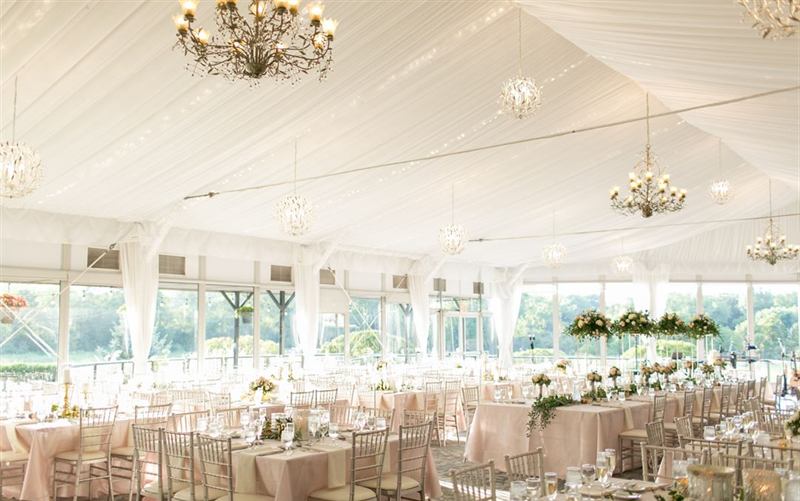
Lemont is especially strong for celebrations that benefit from photographs and a sense of local character. Families can explore Lemont party and celebration venues for milestone dinners, anniversaries, showers, graduations, and reunions, while couples can compare Lemont wedding venues for ceremonies and receptions. Historic limestone, canal bridges, wooded slopes, and quarry water provide visual variety that is difficult to reproduce in flatter, newer suburbs. That does not mean every scenic location is automatically available for private photography or event setup; public and recreational areas can have their own rules, so hosts should separate the venue contract from any off-site photo plan. Lemont also works well for guests coming from both the southwest suburbs and the I-55 corridor. A downtown celebration can feel intimate and walkable, while a larger property outside the center can provide parking and vendor access. The city is useful when a host wants suburban convenience without giving up a distinctive visual backdrop.
Meetings, Productions, and Technical Uses
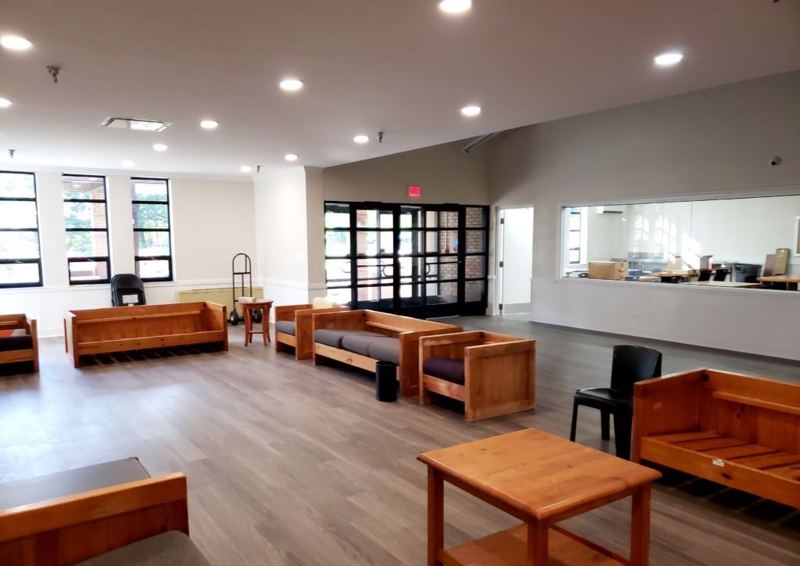
For production crews, Lemont can deliver a compact collection of looks: historic limestone streets, industrial and canal infrastructure, wooded bluffs, quarry water, rail and bridge elements, and contemporary research-oriented surroundings near Argonne. Crews can start with Lemont production venues when they need spaces that permit commercial work. If the production also needs a controlled interior, holding area, parking, or a flexible room, crews can explore Lemont event-center production venues as a more specific route. The town's physical terrain is an asset but also a technical consideration; hills, narrow access points, trails, and older properties can complicate carts, generators, large vehicles, or accessible routes. For corporate and scientific meetings, the Argonne connection gives Lemont an unusual regional context for technical audiences. Production managers should verify ownership and permits before using canal, quarry, rail, or public-land imagery, and meeting planners should confirm cellular service, Wi-Fi, power, and presentation capability rather than assuming a scenic property has modern technical infrastructure.
How Lemont Compares with Nearby Markets
Lemont's closest alternatives reveal why its identity matters. Planners can compare Lockport venue options for another historic canal-community setting with its own relationship to the I&M corridor. Planners can compare Bolingbrook venue options for a larger, newer suburban market with broad road access, modern commercial development, and a different style of venue inventory. For a major southwest-suburban retail, dining, and residential hub with more large-scale hospitality options, planners can compare Orland Park venue options. Lemont sits between historic small-town character and metropolitan accessibility. It is more topographically distinctive than Bolingbrook, more compact and canal-focused than Orland Park, and closely related to Lockport without being interchangeable with it. For a planner, the useful question is whether the event should feel like a regional suburban gathering or whether the town itself should contribute to the atmosphere. When the latter matters, Lemont's limestone, canal history, and quarry landscape can be part of the event experience rather than just scenery outside the venue.
Practical Booking and Operating Considerations
Lemont rewards advance logistics more than a flat suburban grid does. Downtown streets, hills, bridges, and older buildings can affect truck access, valet staging, accessible entrances, and vendor load-in. Scenic outdoor plans need a weather backup, and quarry or canal settings can be windy, muddy, icy, or difficult after heavy rain depending on the season. Guests driving from Chicago or farther west should receive clear route guidance because several major roads converge around the river valley and industrial corridors. If an event includes off-site photographs or a group outing in a recreation area, confirm permits and hours separately. Historic properties should be checked for electrical capacity, climate control, restrooms, and sound restrictions before décor decisions are made. For technical meetings, test Wi-Fi and presentation systems in the actual room. Lemont's uniqueness is valuable precisely because it is not a generic suburban setting; the best events account for the terrain and historic fabric instead of treating them as background details.