Menu

Event and Production Venues near Deerfield, IL
Refine by location, venue category, and booking type.

1-20 of 348 listings

Explore Deerfield

What Makes Deerfield Distinct for Events and Productions

Deerfield is a North Shore suburb whose event market is shaped less by nightlife than by its unusual concentration of offices, hotels, commuter access, and established residential neighborhoods. The village has two Metra stations—Deerfield and Lake Cook Road—and Deerfield Road runs through the Village Center, giving planners two different access patterns: a walkable downtown-oriented setting near the main station and a more business-corridor environment around Lake Cook Road. That helps explain why Deerfield meeting spaces are especially useful locally. Deerfield is a practical midpoint for companies and families spread across the northern suburbs, and it can host a client dinner, training day, board meeting, wedding, or milestone celebration without pushing everyone into Chicago. The local advantage is efficiency rather than spectacle. A well-chosen Deerfield venue should make parking, train access, lodging, and food service easy while still feeling private enough for the event. For business groups in particular, the surrounding corporate environment can reduce travel for attendees.

Venue Types That Fit Deerfield

Deerfield’s strongest venue types reflect its business-oriented geography. Planners can compare Deerfield hotel venues when overnight rooms, catering, and meeting support need to live under one roof, while Deerfield corporate meeting spaces can be useful for client programs, team events, and professional gatherings that need more structure than a restaurant table. Hotels near the Lake Cook corridor can be particularly practical for multi-day programs or attendees coming from several suburbs. Meeting spaces may offer better privacy, presentation infrastructure, or flexible seating, while golf and club-style properties can work for social events or executive gatherings that benefit from a more landscaped setting. The important question in Deerfield is not whether the room is dramatic; it is whether the venue reduces movement. If guests can arrive by Metra or car, park easily, meet, eat, and stay nearby, the property is doing something valuable. That operating simplicity is one of Deerfield’s strongest venue-market traits.

Weddings, Parties, and Guest-Facing Events

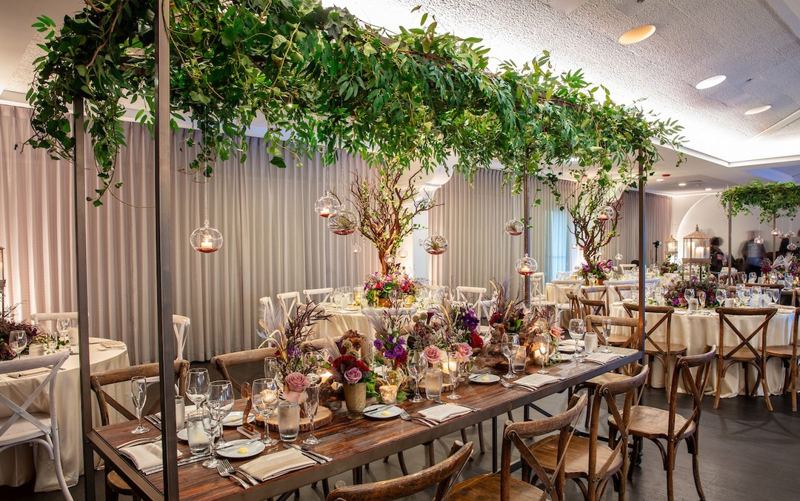
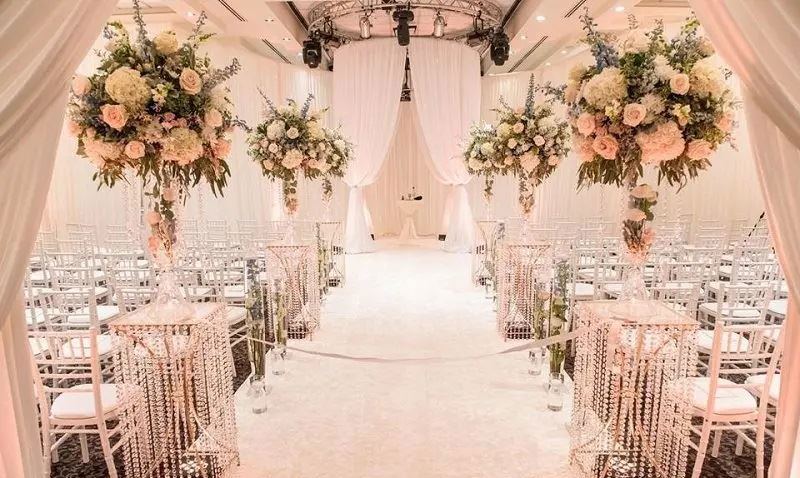
Although Deerfield has a strong corporate identity, it also works well for birthdays, anniversaries, showers, weddings, family dinners, and community celebrations because guests from the North Shore can reach it without crossing downtown Chicago. Hosts can review Deerfield party and celebration venues for broad social-event choices, while smaller or more structured gatherings can compare Deerfield private party spaces when a flexible private room matters more than a traditional ballroom. For family events, the village’s suburban scale can make parking and accessibility easier for older guests or children. A venue near the Village Center may add restaurants and a more walkable atmosphere; a property nearer Lake Cook Road may favor drivers and hotel guests. Couples should ask about ceremony backup, preparation areas, and photo locations, while party hosts should clarify music, alcohol, and end-time rules. Deerfield is most useful when the guest list is already concentrated across Northbrook, Highland Park, Lake Forest, and surrounding communities and convenience becomes part of the hospitality.

Meetings, Productions, and Technical Uses

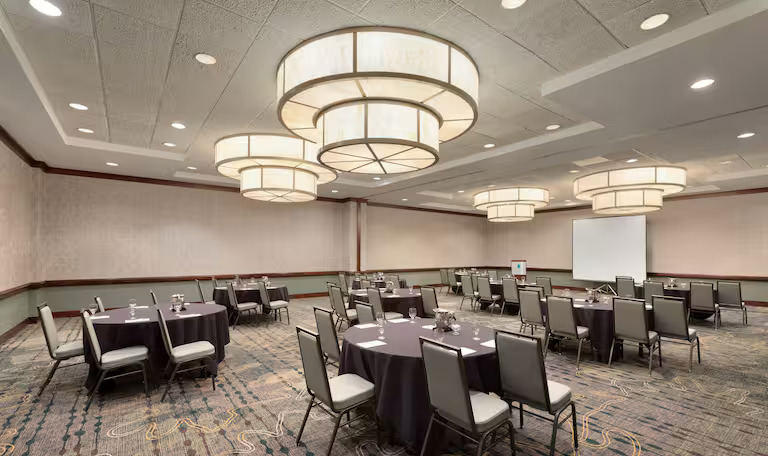
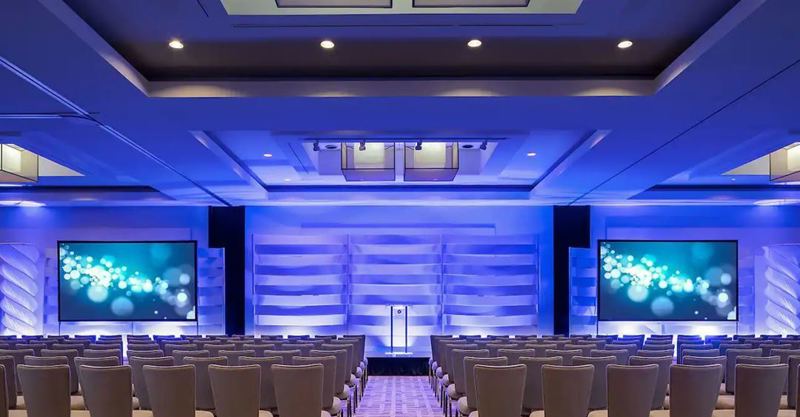
Deerfield is especially strong for meetings because the village combines commuter rail with a North Shore office base. Teams arranging client receptions, board meetings, company dinners, or networking programs can compare Deerfield corporate event venues. Trainings and workshops can also review Deerfield meeting and class venues and then focus on internet reliability, screens, microphones, breakout rooms, and food-service timing. The two Metra stations can matter for attendee planning: the downtown station supports the Village Center, while Lake Cook Road serves the southern business corridor. For hybrid events, test the actual connection from the room rather than relying on a hotel-wide Wi-Fi description. If a program includes video recording, ask about HVAC noise, neighboring meeting rooms, control over lighting, and where cases can be stored. Deerfield is not primarily a production-location market; its strength is professional infrastructure. That makes it a good choice when the meeting must run smoothly and the surrounding logistics should disappear into the background.

How Deerfield Compares with Nearby North Shore Markets

Deerfield sits in a tight cluster of North Shore communities where a few miles can change both atmosphere and guest convenience. Immediately south, planners can compare Northbrook venue options for a larger restaurant-and-hotel mix. To the east, Highland Park venue options can offer a more lakefront-oriented community feel, while Lake Forest venue options shifts the search toward a more estate-like North Shore setting. Deerfield itself is especially strong when the group is tied to the Lake Cook business corridor, wants access to two Metra stations, or needs a practical midpoint between Lake and Cook County guests. Because these communities are close together, the correct choice often comes down to the exact address rather than the municipal boundary. Compare drive times at rush hour, hotel location, station access, parking, and whether the venue already includes the technology and food service the event needs. That gives a more useful answer than assuming one North Shore suburb is inherently more convenient than another.

Practical Booking and Operating Considerations

Before booking in Deerfield, map how attendees will actually arrive. If Metra is important, measure the walking distance from the appropriate station and consider the return schedule after the event. If most people will drive, confirm dedicated parking rather than assuming a suburban property has unlimited spaces. Hotel and meeting contracts should spell out room-block terms, audiovisual pricing, food-and-beverage minimums, service charges, storage, and how early organizers can enter. For social events, clarify alcohol service, music cutoff, security, and whether another event will be operating in adjacent rooms. Business groups should ask where registration can be placed and whether breakout rooms are truly private. Winter events need a plan for snow and covered arrival, particularly for guests carrying equipment or presentation materials. Deerfield’s appeal is operational efficiency, so the venue should be judged by how well it handles transportation, technology, meals, and transitions—not only by the look of the main room.