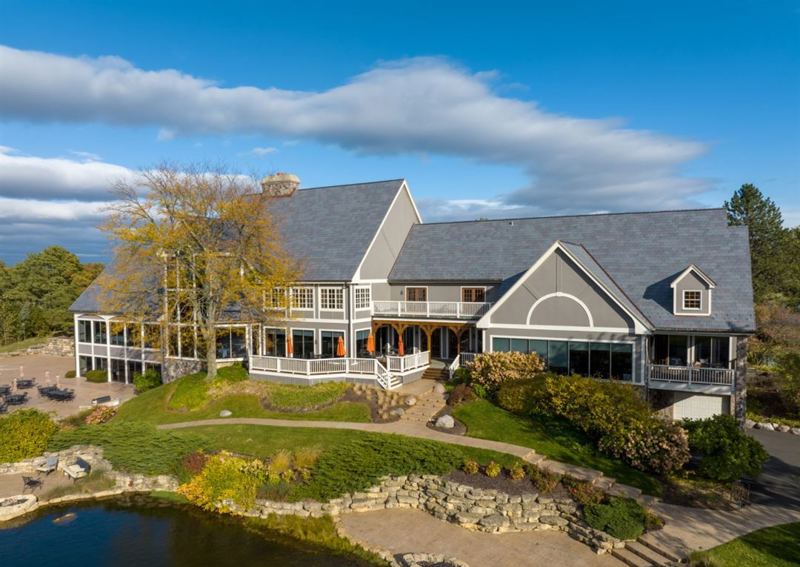
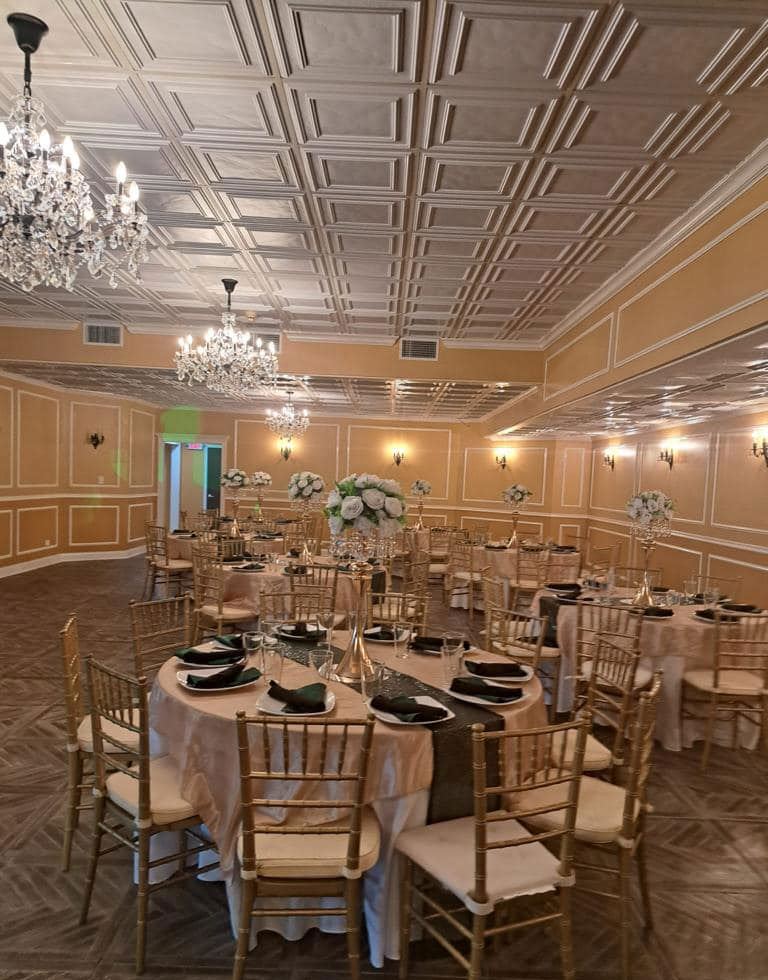
Explore Crystal Lake venues
Explore Crystal Lake
What Makes Crystal Lake Distinct for Events and Productions
Crystal Lake combines a true suburban downtown with recreational water and a larger McHenry County service area. The city’s namesake lake provides a seasonal outdoor identity, while downtown Crystal Lake has independent shops, restaurants, a Metra station, and the Raue Center for the Arts. Three Oaks Recreation Area adds another unusual landscape: a former quarry transformed into a recreation destination with water activities and open space. That mix makes Crystal Lake party and celebration venues useful for events that want more local character than a generic northwest-suburban banquet room. Guests can have dinner downtown, attend a performance, use the lake during warmer months, or reach the city by commuter rail. Crystal Lake is far enough from Chicago to function as a regional center for McHenry County, yet still connected to the metropolitan area. That gives planners a useful blend of local draw and suburban accessibility.
Venue Types That Fit Crystal Lake
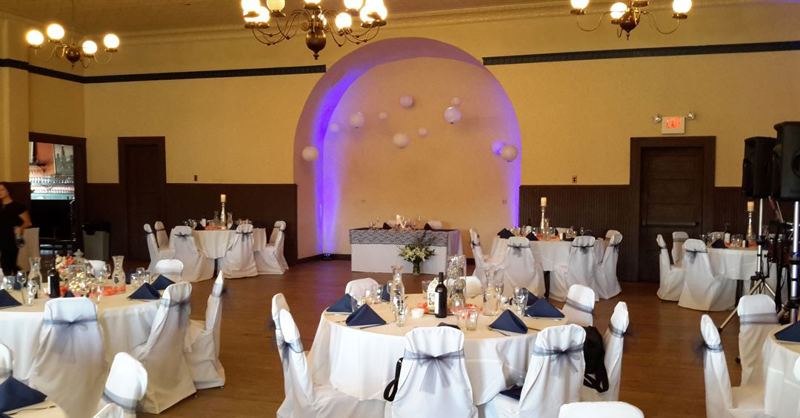
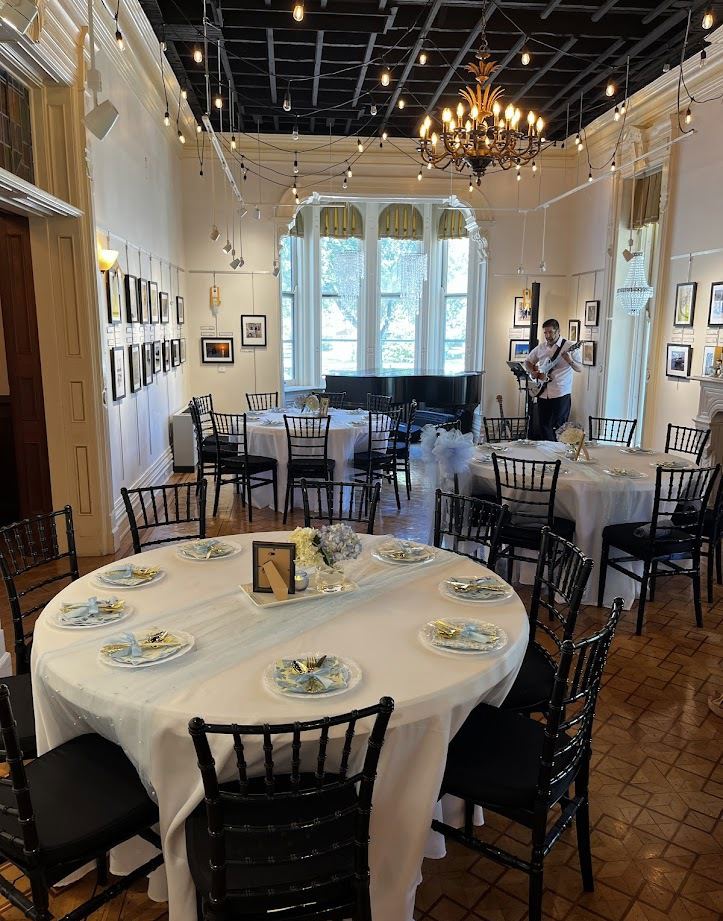
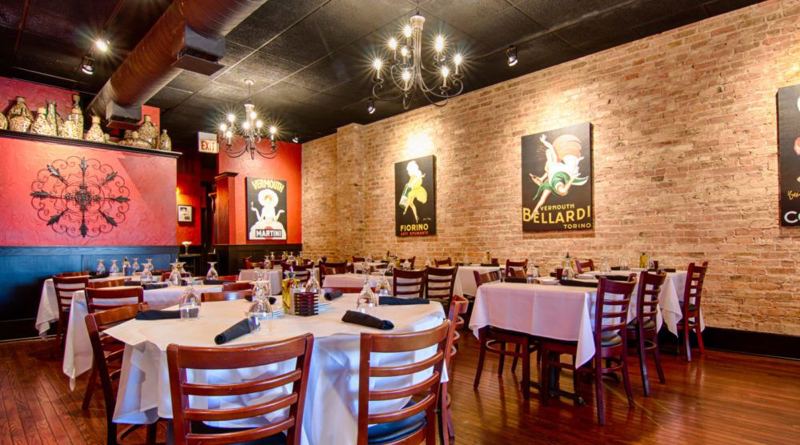
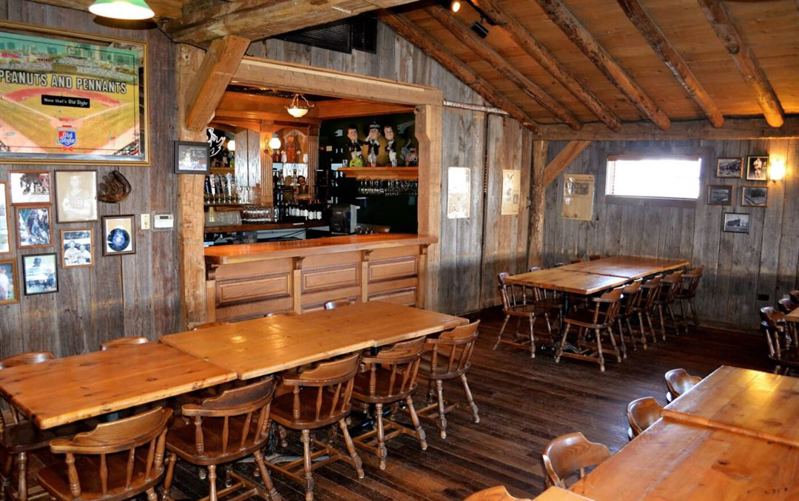
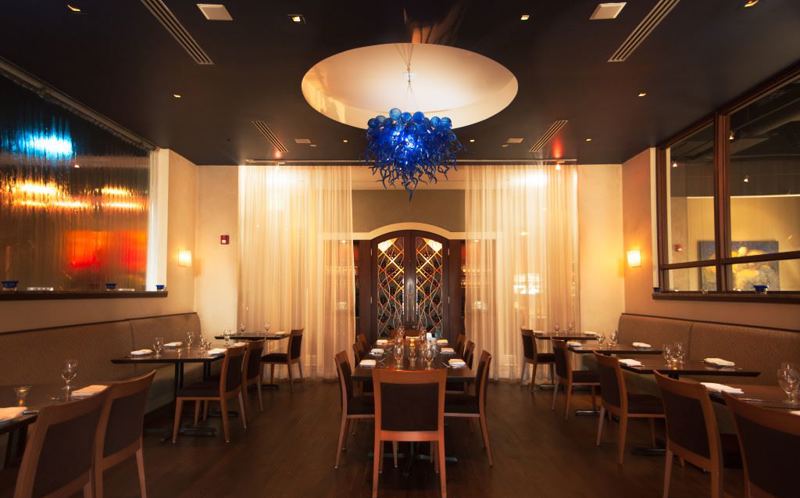
Crystal Lake’s venue mix can support both formal and casual events. A search through Crystal Lake restaurants and bars is a natural starting point for private dining, rehearsal dinners, birthdays, and smaller company functions, especially when being near downtown is part of the plan. Couples looking for a more formal setup can compare Crystal Lake ballroom wedding venues for spaces designed around seated meals, ceremony logistics, and dancing. Outdoor and recreation-adjacent properties may offer more distinctive scenery, but indoor venues are easier to operate through northern Illinois winters and unpredictable shoulder-season weather. The city’s scale also matters: downtown, lake-oriented areas, and larger suburban commercial roads each produce different guest experiences. A venue near the Metra station can be convenient for rail users, while a property farther out may provide better parking, loading, and privacy. The useful question is which version of Crystal Lake best matches the event.
Weddings, Parties, and Guest-Facing Events
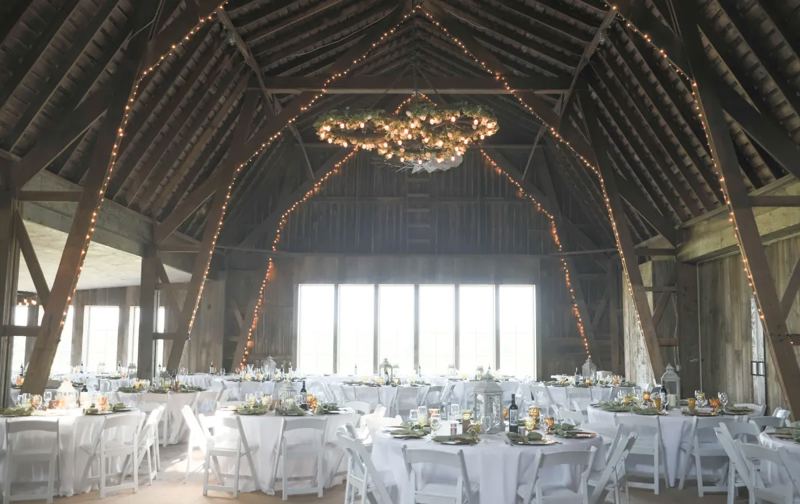
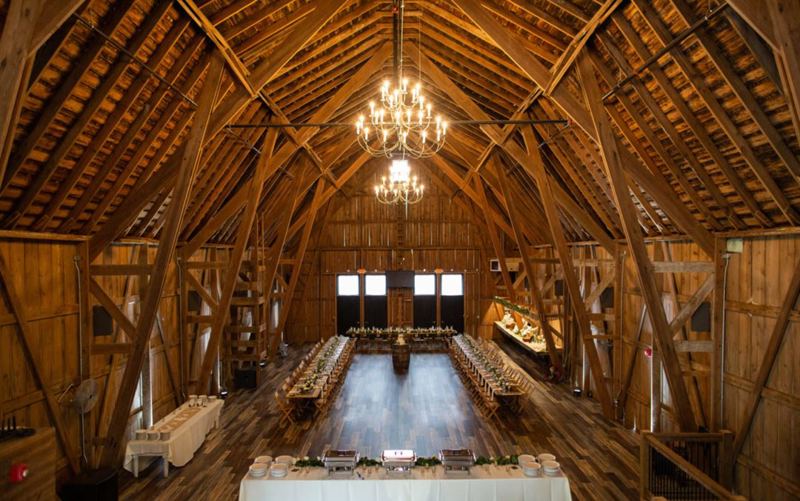
For weddings and milestone celebrations, Crystal Lake wedding venues cover a wider range of properties than only ballrooms. Crystal Lake corporate event venues can support company dinners, professional gatherings, fundraisers, and association events drawing from McHenry County and the northwest suburbs. The lake and downtown give photographers and guests places to use outside the venue itself, which can make a full event day feel more varied. Raue Center also reinforces the city’s performing-arts identity and can make downtown especially appealing for groups that want dinner plus a show or a cultural component. Families coming from smaller towns farther northwest may find Crystal Lake easier than Chicago, while guests from the metropolitan area still have familiar suburban infrastructure. The city works particularly well when a host wants regional convenience but does not want the event to feel disconnected from a recognizable town center.
Meetings, Productions, and Technical Uses
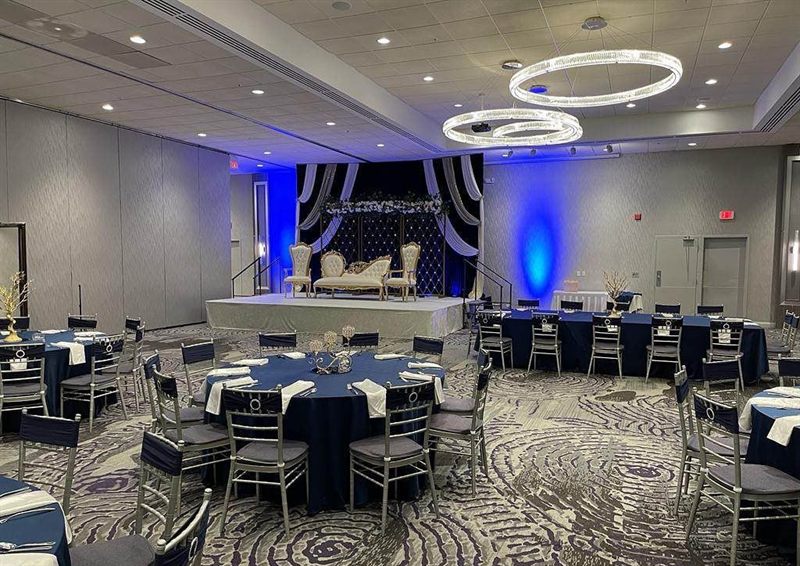
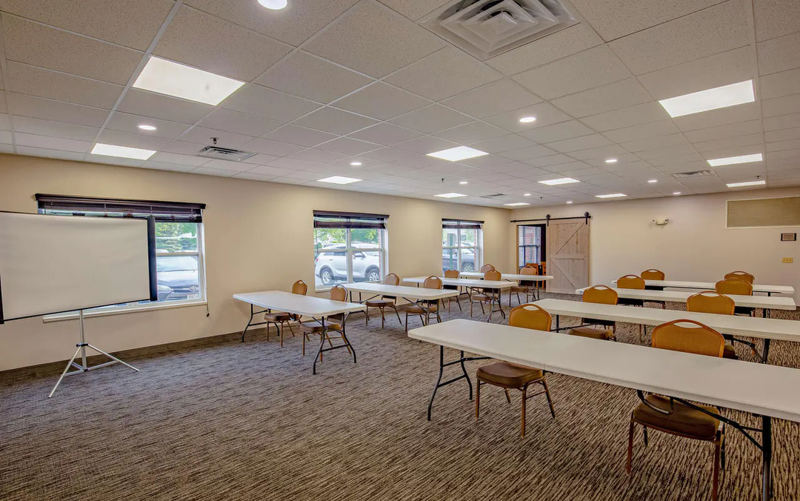
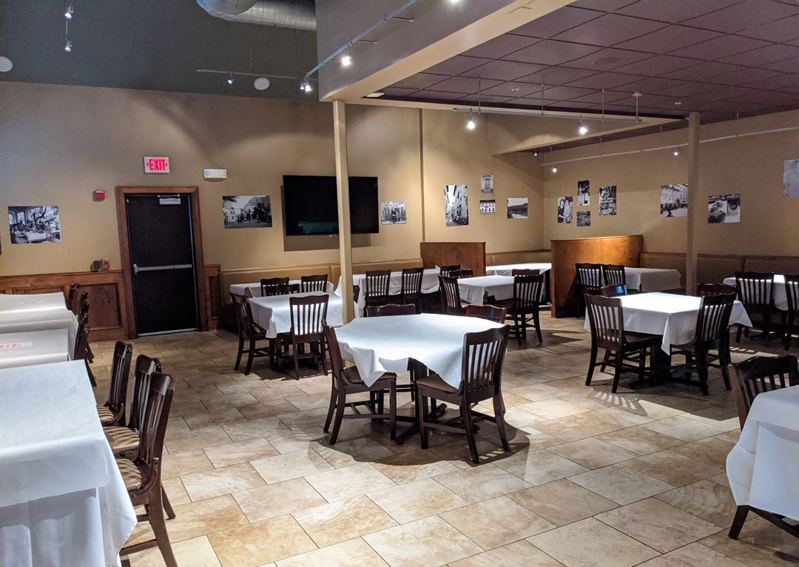
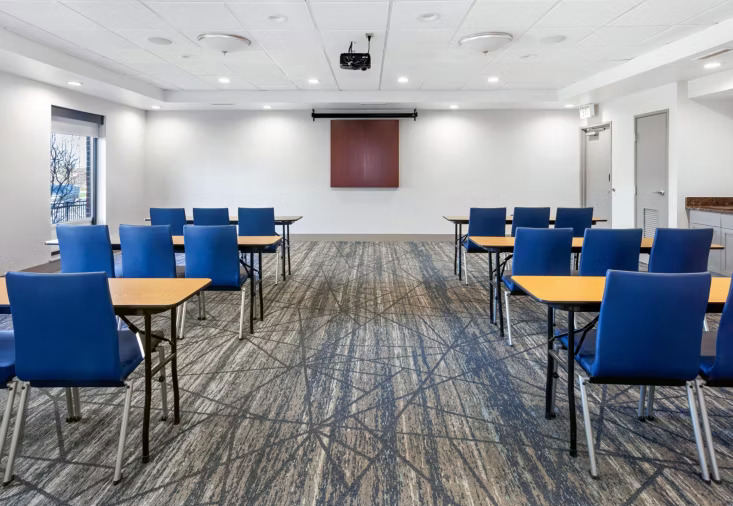
Crystal Lake can support productions that need several Midwestern suburban looks in one area. Downtown provides storefronts, brick commercial blocks, rail infrastructure, and theater context, while the lake and Three Oaks Recreation Area add water and outdoor recreation. Planners can use Crystal Lake meeting and class venues to find practical rooms supporting training, workshops, interviews, and team sessions. For social or lifestyle shoots inside hospitality settings, Crystal Lake restaurant party venues can identify spaces already arranged around dining and gathering. Productions should treat the actual lake, recreation properties, railroad areas, and downtown streets as separate permission environments rather than assuming one city approval covers everything. For meetings, proximity to the Metra station may help some attendees, but most regional groups will still evaluate parking and driving time. Crystal Lake’s production advantage is diversity without urban density: a crew can move from downtown to water to suburban commercial settings relatively quickly.
How Crystal Lake Compares with Nearby Markets
Crystal Lake sits among several distinct northwest-suburban and McHenry County markets. Woodstock venue options offer a smaller historic square, courthouse-town character, and a more overtly traditional downtown setting. Algonquin venue options lie southeast along the Fox River corridor and can be more convenient for guests coming from Kane County or the closer-in northwest suburbs. Barrington venue options move toward a historic commuter-rail village surrounded by the estate and equestrian character of the broader Barrington area. Crystal Lake is larger and more self-contained than many nearby towns, with both a downtown and significant recreation. It is therefore useful when the host wants multiple restaurants, services, and venue styles without going all the way into a major suburban employment center such as Schaumburg. Geography should drive the comparison: McHenry County guests may strongly favor Crystal Lake even when another suburb has more total inventory.
Practical Booking and Operating Considerations
Seasonality matters in Crystal Lake because some of its most appealing features are outdoors. Summer lake activity can add energy but also increase parking pressure around recreation areas, while winter can make those same features irrelevant to the event plan. Downtown events should confirm parking, vendor loading, and any interaction with commuter lots or busy train periods. Guests using Metra need a clear last-mile plan if the venue is not downtown. For weddings and large parties, ask whether photographs or ceremonies at a separate outdoor location require reservations or permissions. Productions should verify drone, water-access, and public-property rules well before shoot day. Northern Illinois weather makes indoor backup especially important in spring and fall. Crystal Lake’s advantage is that the city offers enough infrastructure to support a substantial event while retaining lake, downtown, and regional-town identity; the plan should make deliberate use of whichever of those features justifies the location.