Menu

Event and Production Venues near Bloomington, IL
Refine by location, venue category, and booking type.

1-20 of 21 listings

Explore Bloomington

A Connected Bloomington-Normal Venue Market

Bloomington operates as part of the closely connected Bloomington-Normal market, with downtown venues, hotels, restaurants, business activity and university-related demand across the two communities. Events may draw guests from central Illinois as well as travelers using Interstate 55, Interstate 74 and regional transportation. For professional programs, planners can compare Bloomington corporate and networking venues. Conferences, company dinners and fundraisers each require different room flow and technical support. Determine whether guests are staying in Bloomington or Normal and how they move between scheduled activities. A venue that appears nearby may still require driving, parking and additional transition time. Coordinate lodging, meals, meetings and evening functions as one plan.

Hotels and Restaurants Support Different Formats

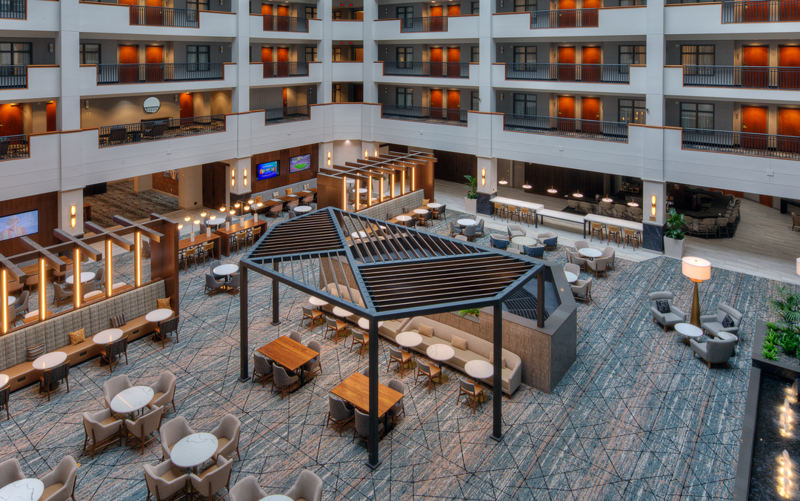
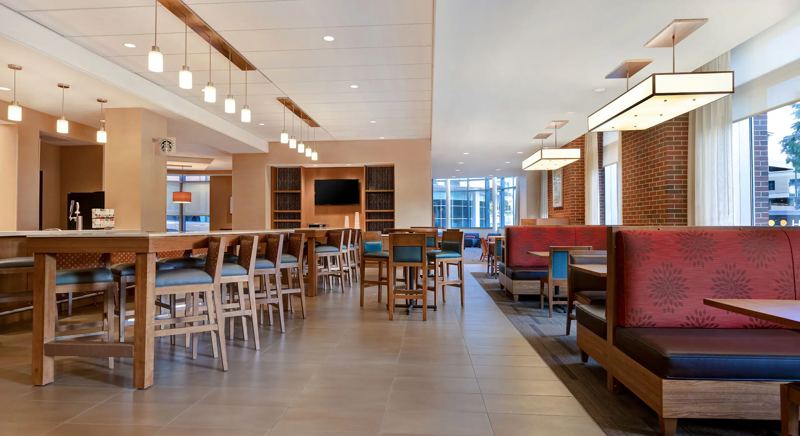
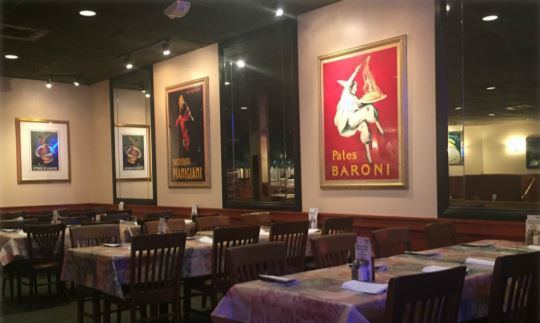
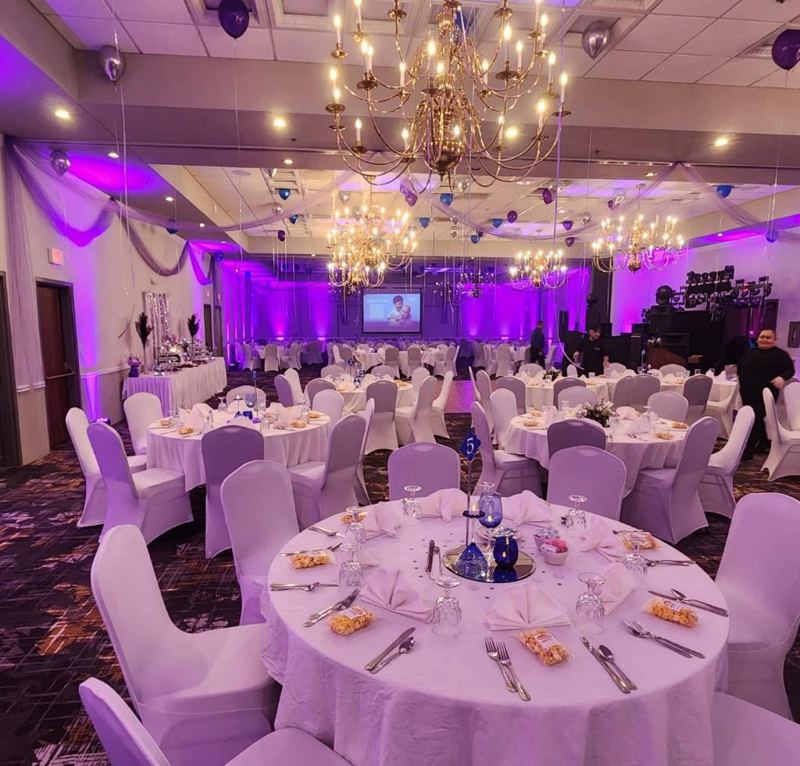
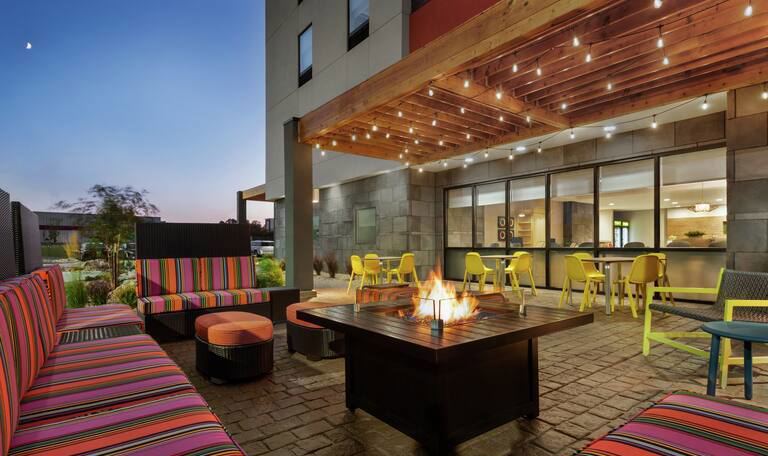
Programs involving overnight guests can start with Bloomington hotel venues. Hotels may simplify lodging and meetings, but planners should confirm room commitments, breakout space and audiovisual charges. For dinners, receptions and social events, planners can compare Bloomington restaurants and bars. Restaurant settings may reduce catering coordination while providing a more conversational atmosphere. Ask whether dining areas are fully private and whether entrances or bars remain shared. At hotels, determine whether simultaneous events affect elevators, parking or common spaces. Compare the complete event package rather than only the room rate or food minimum.

Celebrations and Food-Centered Events

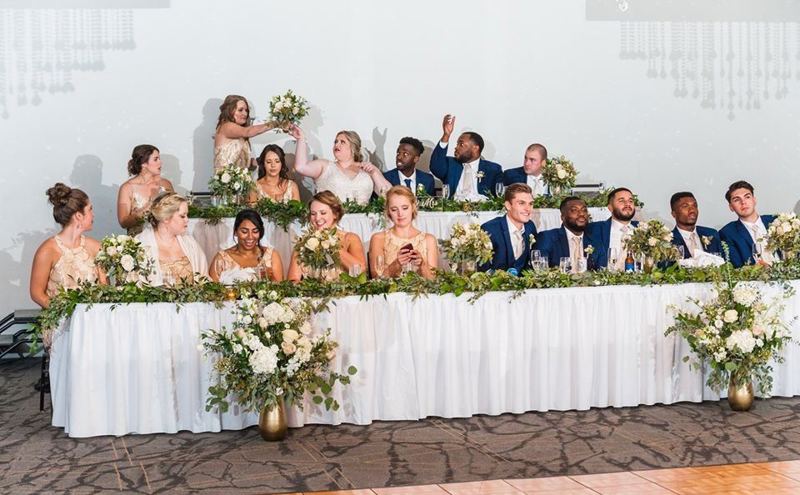
Bloomington can support birthdays, reunions, showers and holiday events serving guests throughout central Illinois. Hosts can review Bloomington party and celebration venues while comparing privacy, food service and parking. For gatherings centered on dinner, planners can consider Bloomington restaurant party venues. Confirm whether speeches, entertainment or decorations are permitted and whether the reservation includes a separate room. Guest flow should account for early arrivals, coats, gifts and accessibility. If the event continues at another location, calculate realistic transportation time. The venue should support the entire celebration rather than only the meal.

Film, Photography and Technical Planning

Bloomington's downtown, residential areas and regional business setting can support interviews, commercials and branded content. Crews can start with Bloomington film and production locations. Still-image and portrait projects can be compared through Bloomington photo-shoot locations. In either case, verify sound, power, window control, equipment access and parking. Public or downtown settings may require separate permission. Ask where equipment cases can remain and whether participants have a private waiting area. The schedule should include load-in, testing and breakdown. A visually suitable space can still be impractical if technical access is unresolved.

Comparing Bloomington With Nearby Markets

Because Bloomington and Normal function as one regional market, planners should compare Normal event and meeting venues when lodging, university access or guest origin favors the north side of the area. For a larger river-oriented regional market, planners can consider Peoria event and meeting venues. Peoria changes the travel pattern and may better serve western Illinois attendees. Programs drawing from east-central Illinois can review Champaign corporate event centers. Champaign may offer advantages for university-related and public-facing gatherings. Compare participant origin, hotel blocks, highway access and vendor travel. The best market is the one that minimizes friction for the actual audience.

Choosing and Operating a Bloomington Venue

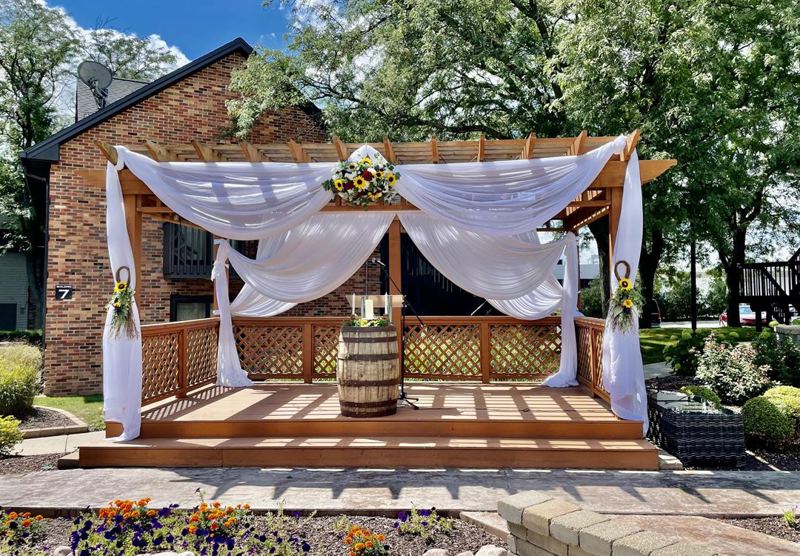
Start with the full Bloomington-Normal geography. Confirm where guests stay, where they park and how they travel between activities. Calculate capacity using the actual layout, including registration, staging, catering and entertainment. Vendors need separate loading and setup instructions. Review alcohol, catering, insurance, security, sound, accessibility, overtime and cleanup in writing. Confirm Wi-Fi and audiovisual support. Outdoor plans require a defined weather alternative. The final venue should simplify the event rather than add avoidable transportation or operational steps.