Menu

Event and Production Venues near Aurora, IL
Refine by location, venue category, and booking type.

1-20 of 215 listings

Explore Aurora

Planning an Event or Production in Aurora

Aurora gives planners a western-suburban venue market with a mix of established neighborhoods, Fox River character, commercial corridors, and properties that can serve both local guests and groups coming from the wider Chicago region. The city is large enough to support multiple event styles without forcing every gathering into a downtown format. Hosts can find traditional celebration spaces, community-oriented properties, studios, outdoor settings, and flexible rooms suited to private or business use. For events that benefit from lawns, patios, or open-air components, planners can review Aurora outdoor venues while comparing weather backup and guest access. Aurora is particularly practical when attendees are spread through the western suburbs because it can reduce the need to route everyone toward central Chicago. The best local choice usually comes from matching the venue to the guest map: parking, road access, hotel proximity, and the amount of setup time available can matter as much as architectural style.

Venue Types That Stand Out in Aurora

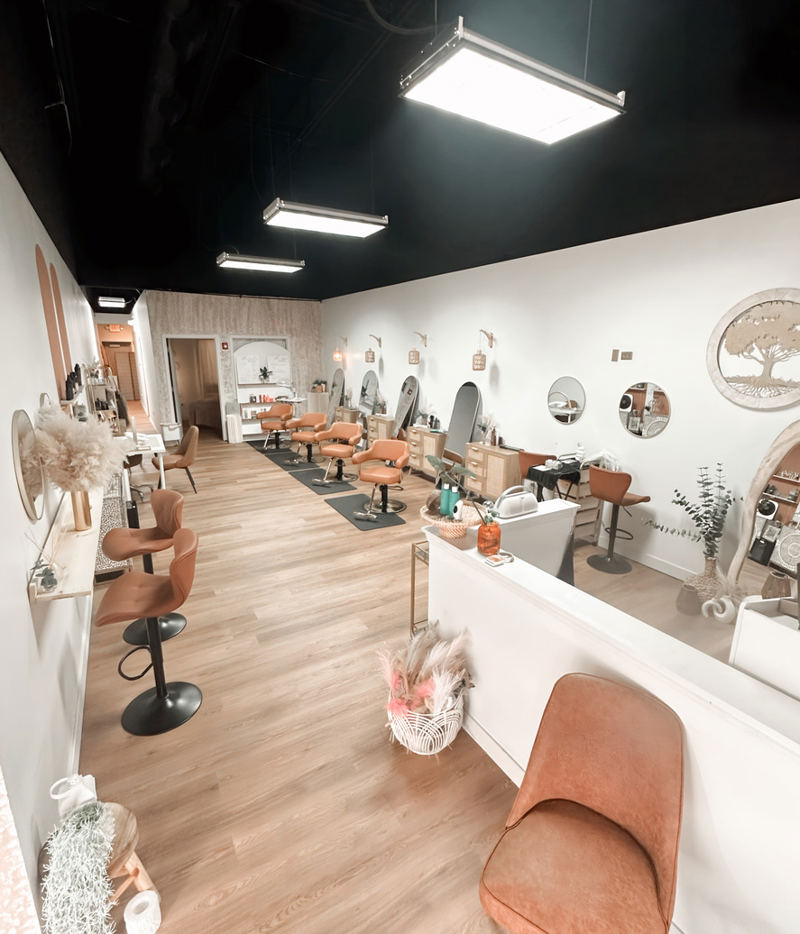
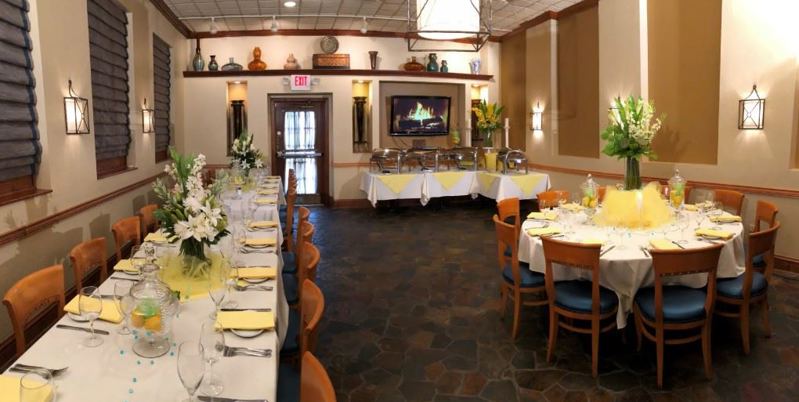
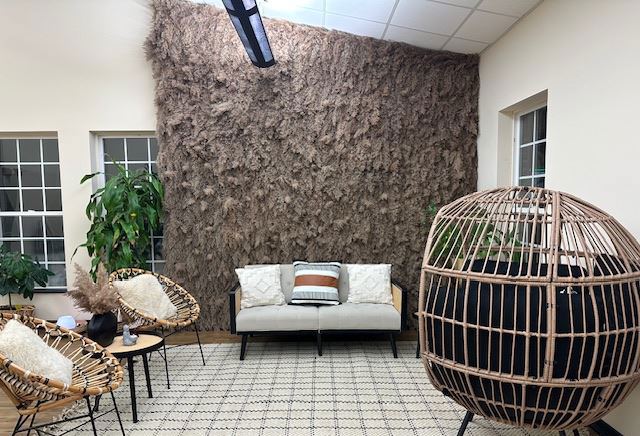
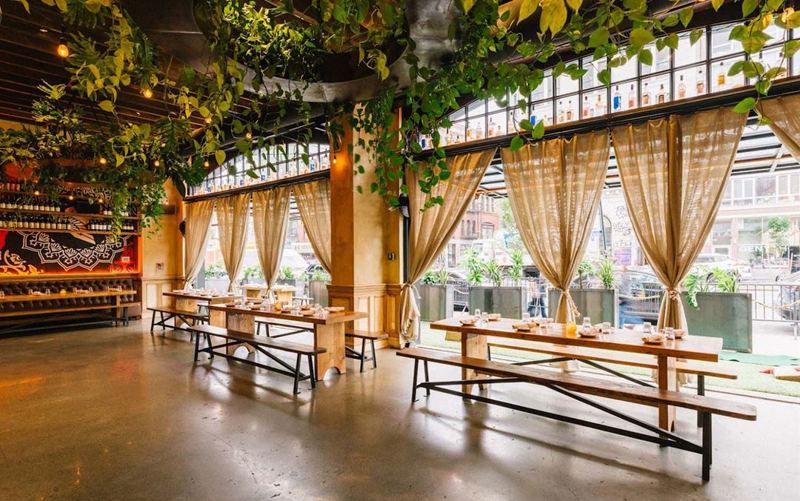
Aurora’s venue inventory is useful because it is not dominated by a single property type. Planners seeking flexible, neighborhood-oriented rooms can compare Aurora community spaces, while projects that need an adaptable interior or a less conventional layout can explore Aurora studios and sets. Event centers, restaurants, golf properties, and outdoor venues add additional options, though the local category counts are more compact than in Chicago or some larger suburbs. That makes fit especially important. A community venue may provide parking and straightforward access but require outside catering; a studio may offer visual flexibility but need rented furniture; an event center may include more service infrastructure but impose stricter vendor rules. Before shortlisting, define the essential operational pieces: guest count, seated versus standing layout, food service, sound, presentation needs, loading, and weather backup. Aurora’s variety is most valuable when planners compare what each property includes instead of assuming similar-looking spaces operate the same way.

Weddings, Parties, and Guest-Facing Events

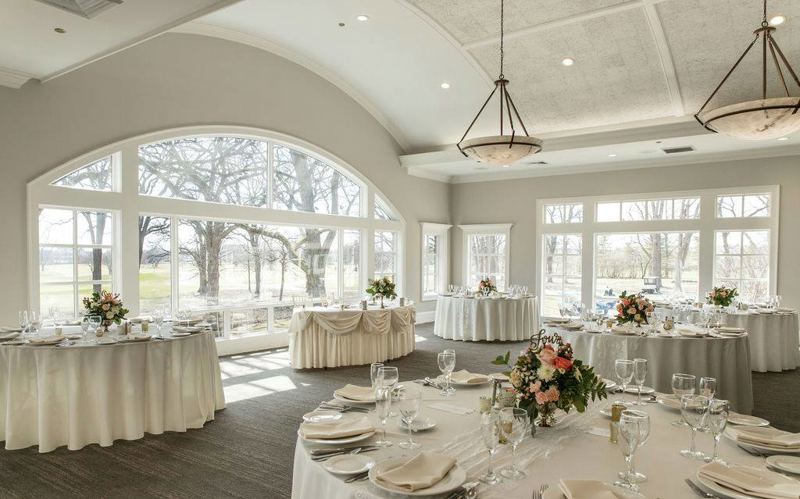
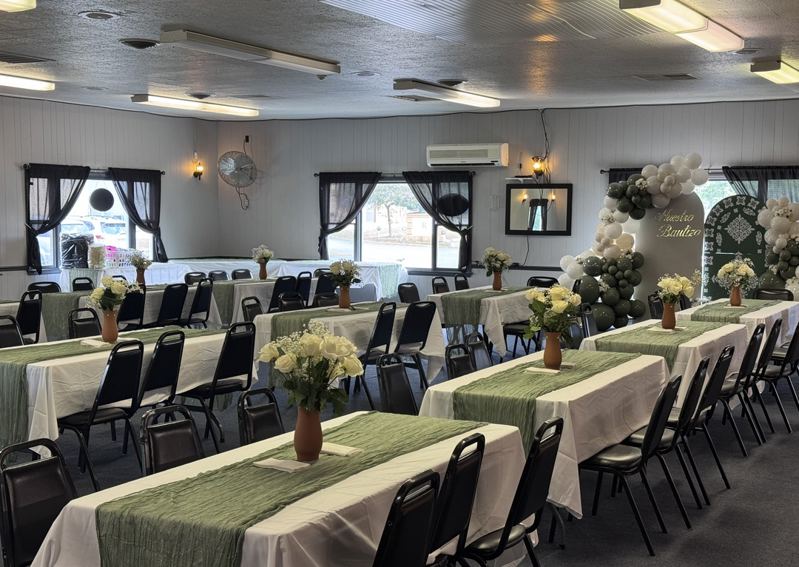
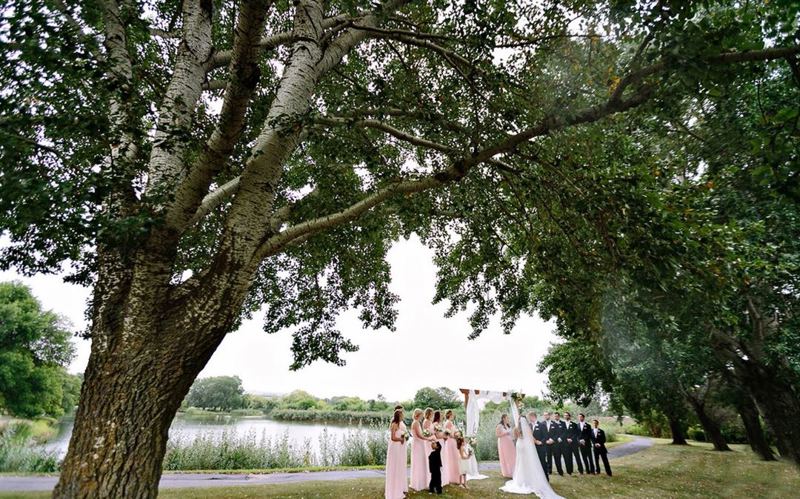
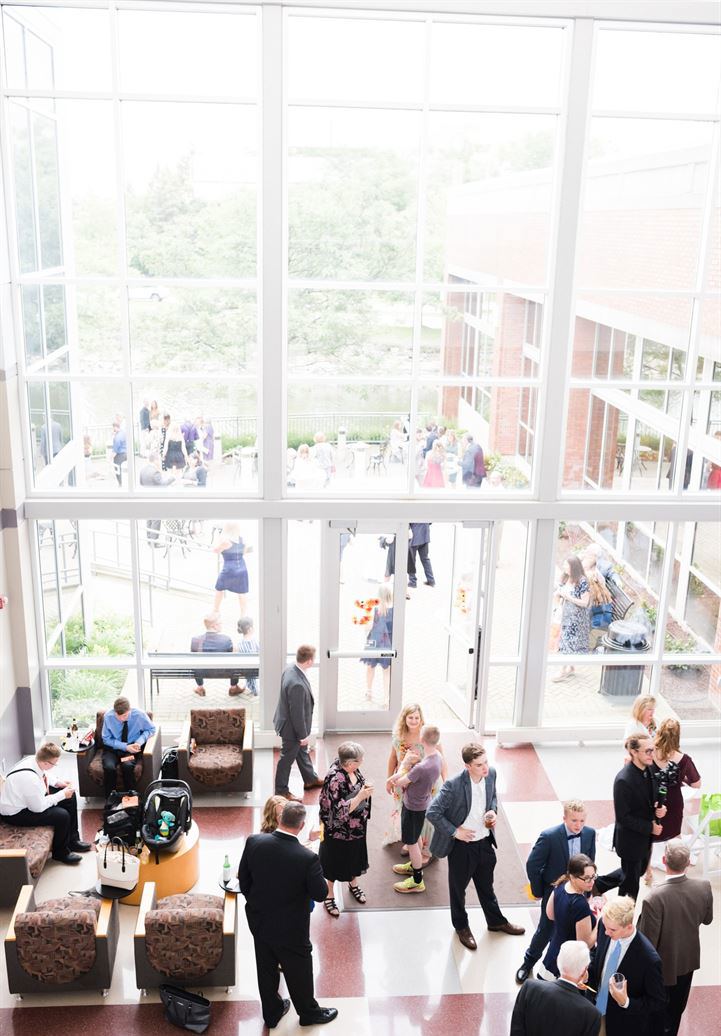
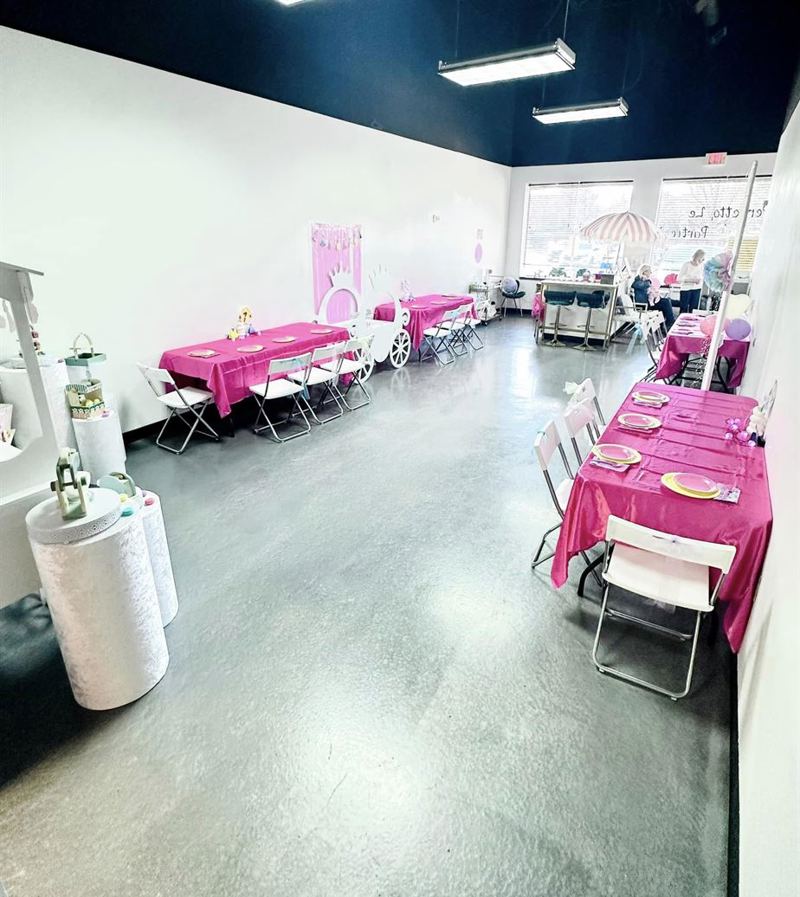
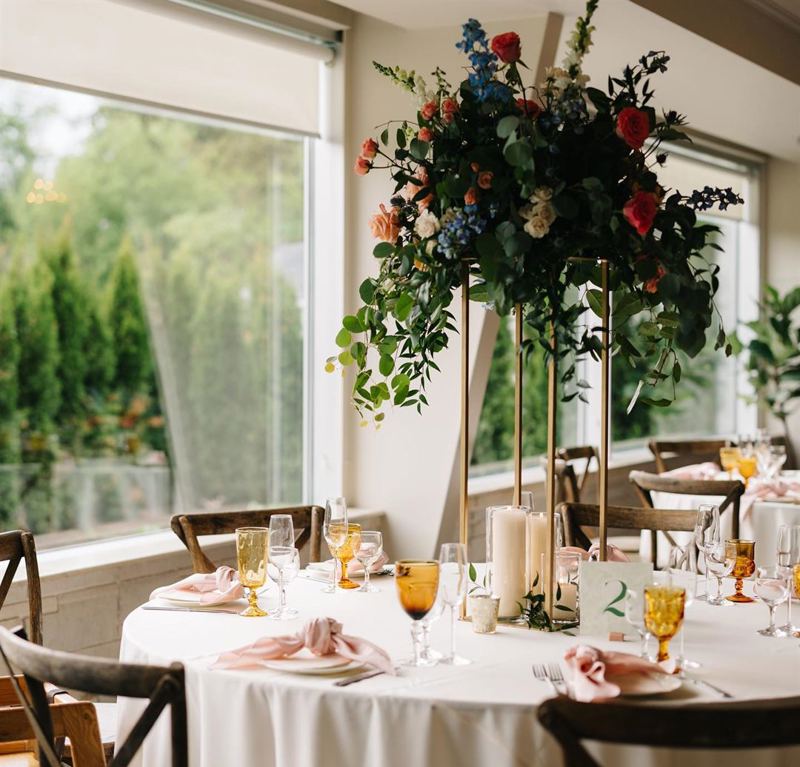
Aurora can work well for birthdays, anniversaries, showers, family gatherings, weddings, school-related events, and community celebrations. Hosts can compare Aurora party and celebration venues when the priority is a guest-friendly social layout, while couples who want an indoor-outdoor format can explore Aurora outdoor wedding venues. For local events, parking and easy arrival can be a major advantage over denser Chicago neighborhoods, especially when guests include children, older relatives, or attendees driving from several suburbs. Ask whether a venue allows outside catering, alcohol, DJs, décor installation, and extended setup time. If the event includes both ceremony and reception, confirm whether spaces can operate simultaneously or whether a room flip is required. Weather remains a factor for outdoor portions, so a true backup space should hold the same number of people comfortably. Aurora’s strongest social-event venues are those that keep guest movement simple from arrival through dining, entertainment, and departure.

Meetings, Productions, and Technical Planning

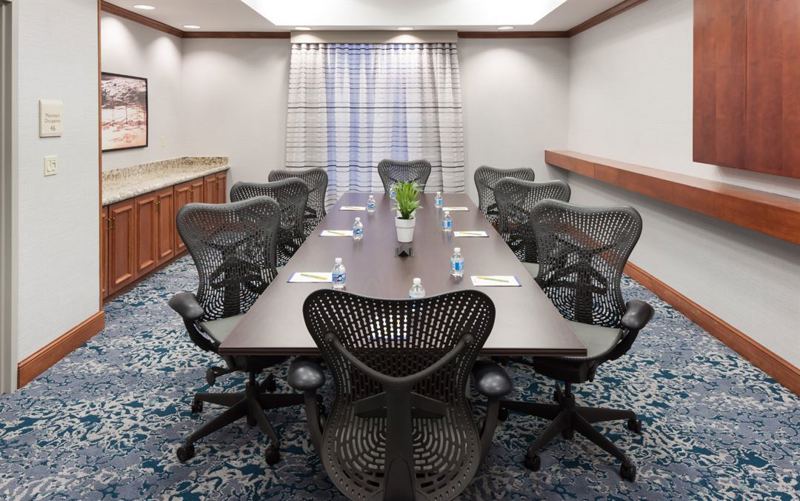
Aurora’s location also makes it practical for regional meetings, company gatherings, training sessions, workshops, and smaller productions. Teams can review Aurora corporate event venues for spaces already suited to business functions, then confirm internet reliability, presentation equipment, breakout capability, and food-service timing. Groups that need a flexible creative interior can compare Aurora studio meeting spaces, especially when a standard conference-room atmosphere is not required. Production crews should ask about power, ceiling height, sound conditions, loading doors, parking for vans, and permission for temporary set dressing or lighting. Business planners should verify whether tables, chairs, screens, and microphones are included or billed separately. Aurora can be a strong middle ground for teams coming from different western suburbs, but the property should be tested against the actual program. A visually interesting room is only useful if attendees, equipment, and vendors can move through it efficiently.

How Aurora Compares with Nearby Markets

Aurora sits near several western-suburban markets that are worth comparing when guest geography or venue style changes. To the east, compare Naperville venue options when a larger dining and hospitality environment is important. Immediately south, planners can consider Montgomery venue options for a smaller local-market alternative, while Batavia venue options can be useful for groups positioned farther north along the Fox River corridor. Aurora itself is often the better fit when the goal is a broader city footprint, easier access from multiple directions, and a mix of community, outdoor, and flexible-use properties. Naperville may provide more hospitality density, while smaller nearby cities can feel more contained. The right decision depends less on municipal boundaries than on where guests are coming from and what the event needs. Compare driving patterns, hotel options, parking, setup access, and venue inclusions before deciding that one suburb is automatically more convenient than another.

Booking Logistics and Operating Considerations

Before booking an Aurora venue, confirm the details that affect both guest comfort and vendor operations. Ask for the exact legal or permitted capacity for the intended layout, parking availability, load-in access, setup and cleanup windows, and the cutoff for amplified sound. If alcohol is served, clarify licensing requirements, bartender rules, security, and whether outside beverages are permitted. For catered events, document kitchen access, warming limitations, trash removal, and any preferred-vendor requirements. Outdoor bookings should have a written rain plan and clear information about tents, power, lighting, and restroom access. Corporate groups should test Wi-Fi and presentation connections if the event depends on them, while production teams should confirm power and equipment routes in advance. Finally, compare all-in costs rather than base rental rates. Staffing, security, cleaning, equipment, overtime, and insurance can change the total significantly. A well-matched Aurora venue should make logistics simpler, not create new work after the contract is signed.