Smaller cities can be some of the best places to plan film shoots, photo shoots, interviews, music videos, brand content, and commercial production days. They may not have the instant name recognition of central Los Angeles, but they often give producers something more practical: easier access, calmer streets, larger properties, more outdoor space, and locations that can still feel authentic on camera.
For many productions, the best location is not the most famous neighborhood. It is the place that gives the crew enough room to work, enough visual range to capture the story, and enough control to keep the day moving. That is why producers and photographers often look beyond the obvious city core when scouting homes, ranches, studios, gardens, pool decks, commercial spaces, and outdoor settings.
Smaller cities can make production days easier
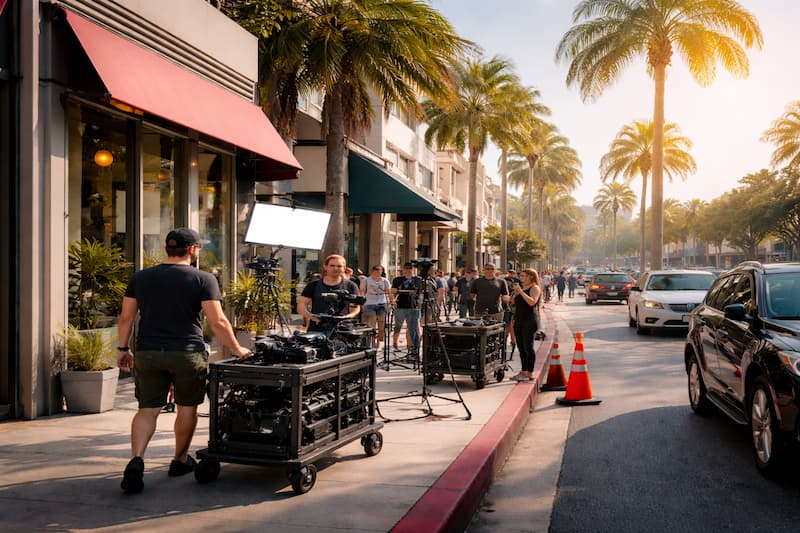
A shoot day can fall apart when the location looks great but the logistics are difficult. Parking, equipment load-in, crew holding, restroom access, sound control, and neighborhood rules all matter. Smaller cities often give productions more breathing room, especially when the project involves cars, lighting gear, wardrobe, catering, props, or multiple setups.
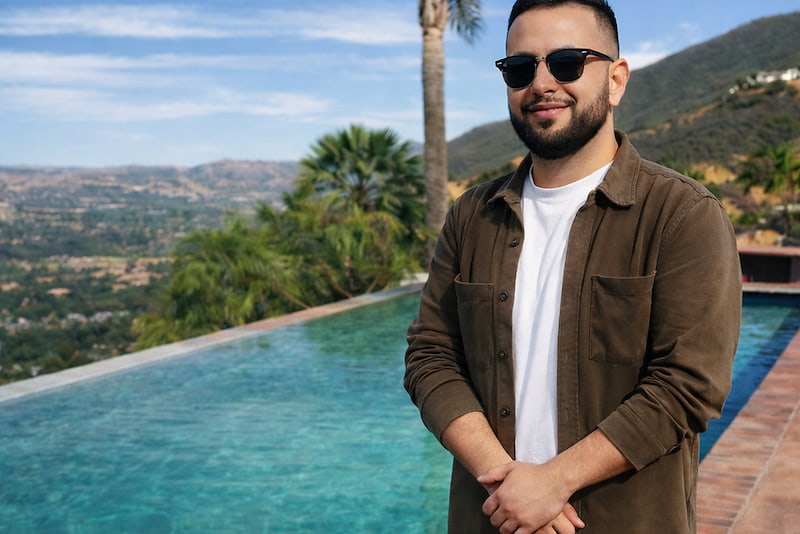
For teams that need a residential setting without the pressure of dense central neighborhoods, Thousand Oaks photo shoot locations can offer homes, hillsides, pool areas, and outdoor spaces with a calmer production feel. Westlake Village filming locations can work well when a project needs polished homes, quiet streets, and a more controlled suburban setting.
More space can mean more usable shots
Space matters because production teams rarely use a location in only one way. A private home might need to support an exterior arrival shot, a living room scene, a kitchen setup, a backyard moment, a poolside angle, a driveway shot, and a quiet area for talent. A ranch or estate might offer even more variety, with gates, gardens, open land, patios, barns, hillsides, or long driveways.
That is one reason Moorpark ranch filming locations can be useful for productions that need land, open skies, rustic textures, equestrian settings, or larger outdoor setups. Camarillo production-friendly venues can also make sense for teams looking for homes, ranch properties, agricultural edges, and easier access between Ventura County and Los Angeles.
Residential settings can feel more believable
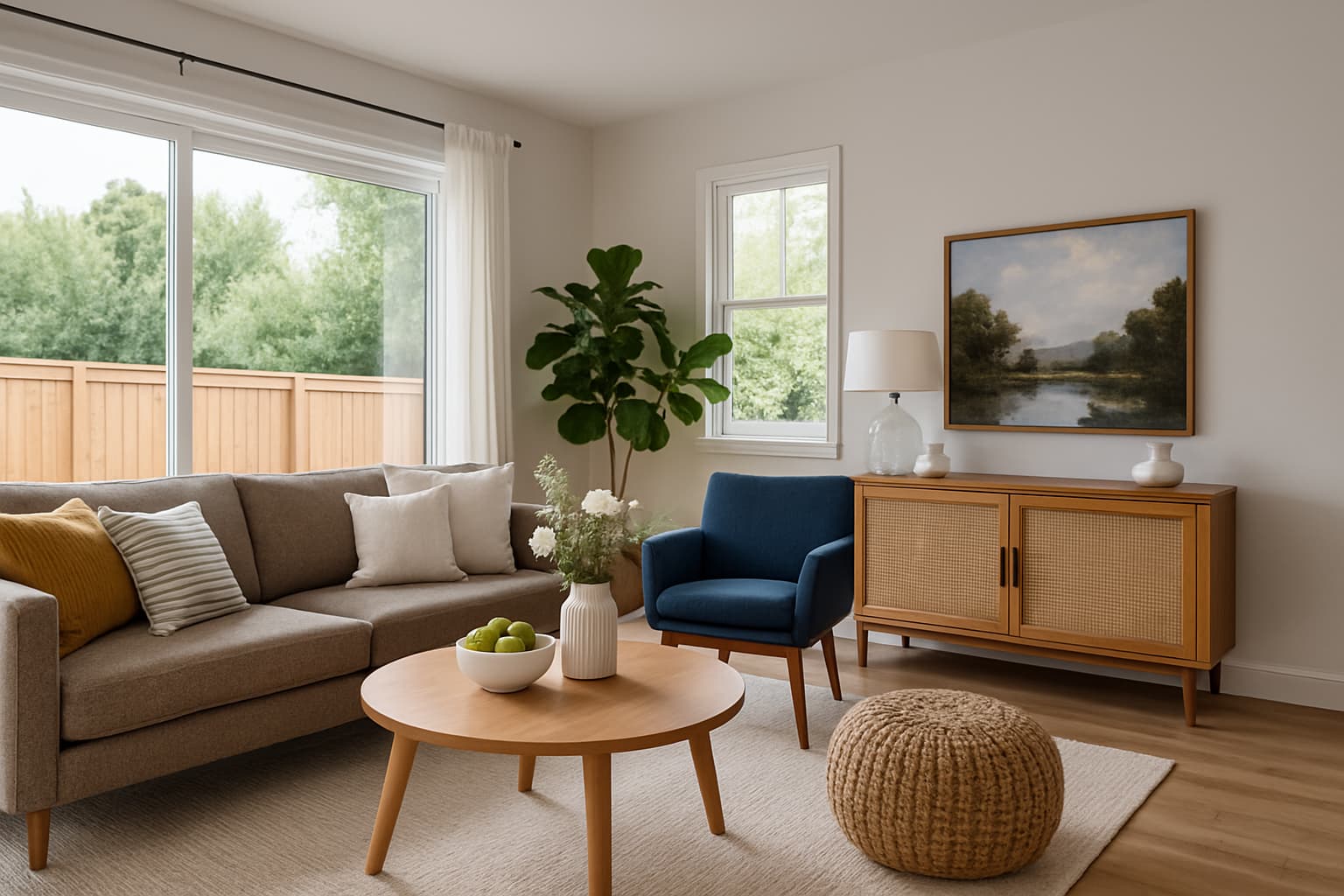
Many shoots do not need a landmark. They need a location that feels real. A family kitchen, backyard, front door, driveway, living room, pool, garden, or quiet street can be more valuable than a recognizable skyline if the goal is believable storytelling or lifestyle content.
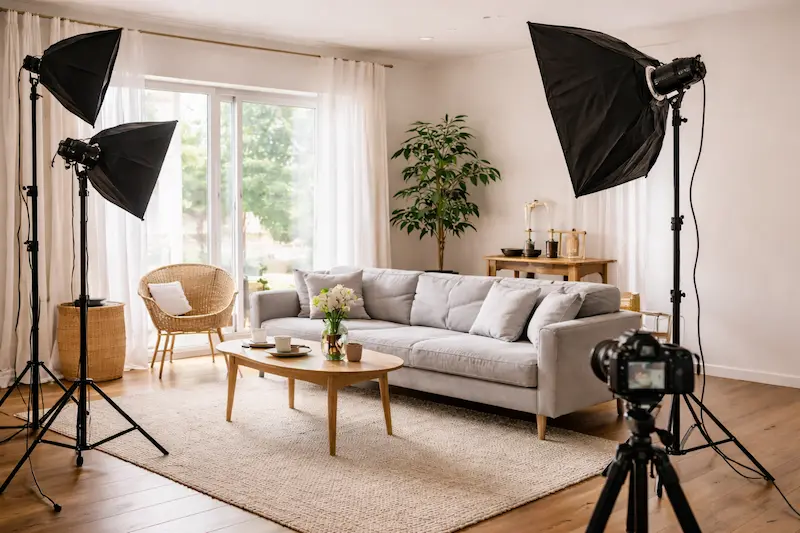
Simi Valley homes for video shoots can work well for family scenes, commercial lifestyle content, interviews, and residential photo shoots. Newbury Park shoot locations can offer a mix of homes, foothills, trails, ranch-style properties, and quiet outdoor settings that are useful when the project needs a private, natural, or less crowded look.
Natural light and outdoor space are easier to find
Photo shoots and smaller video productions often depend heavily on natural light. Large windows, patios, pool decks, gardens, lawns, hillsides, and open outdoor areas can make a smaller city location more useful than a cramped urban space. More outdoor room also gives crews options when the light changes or the original shot plan