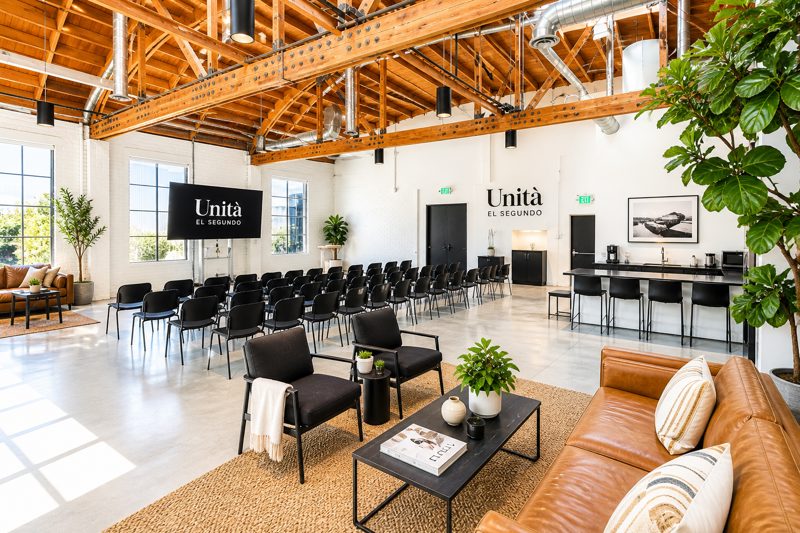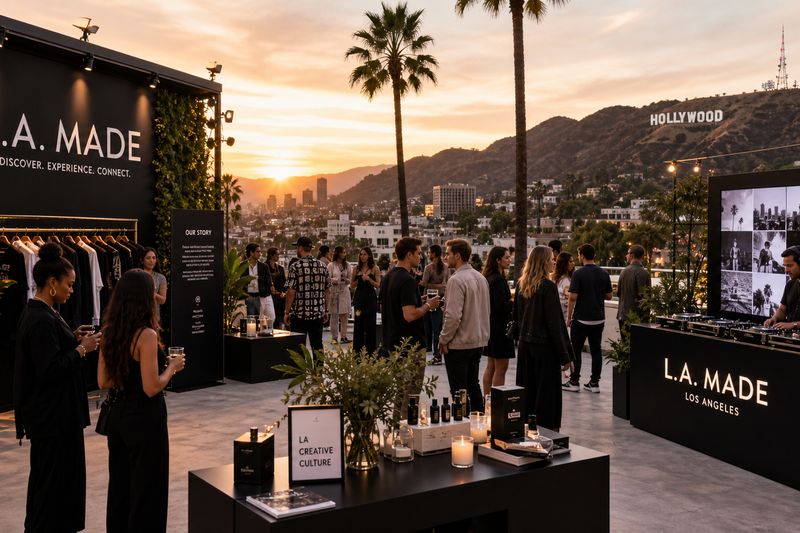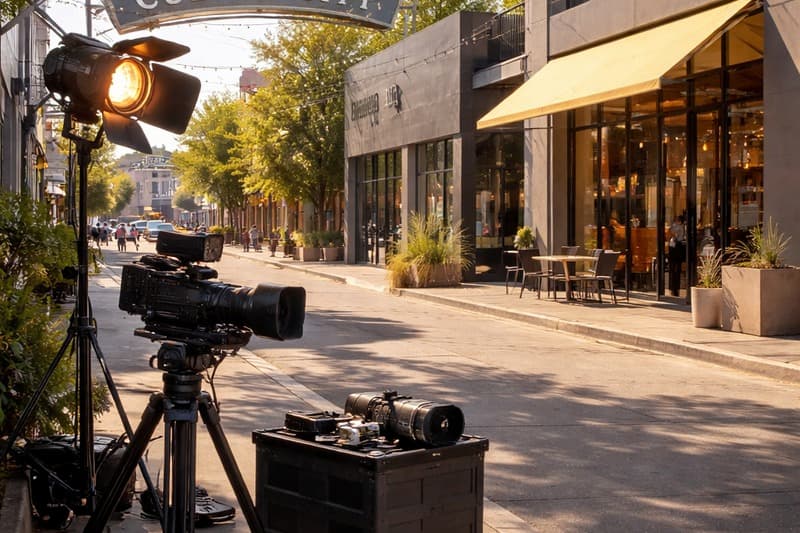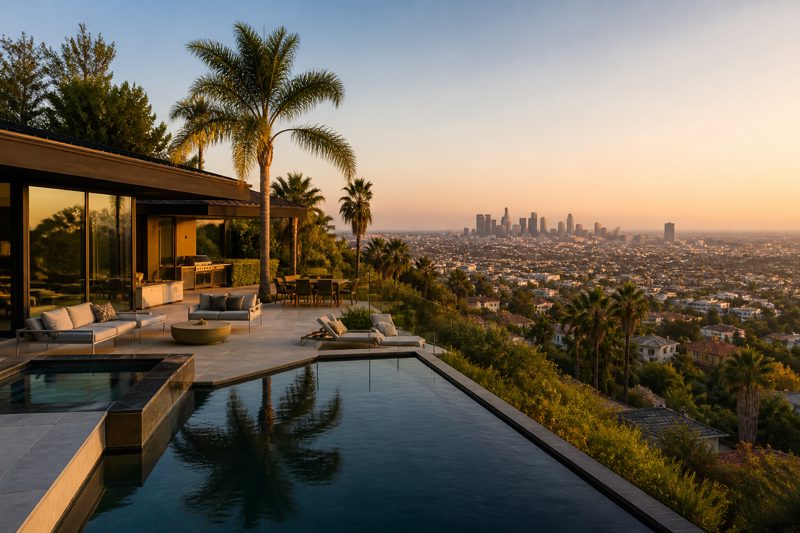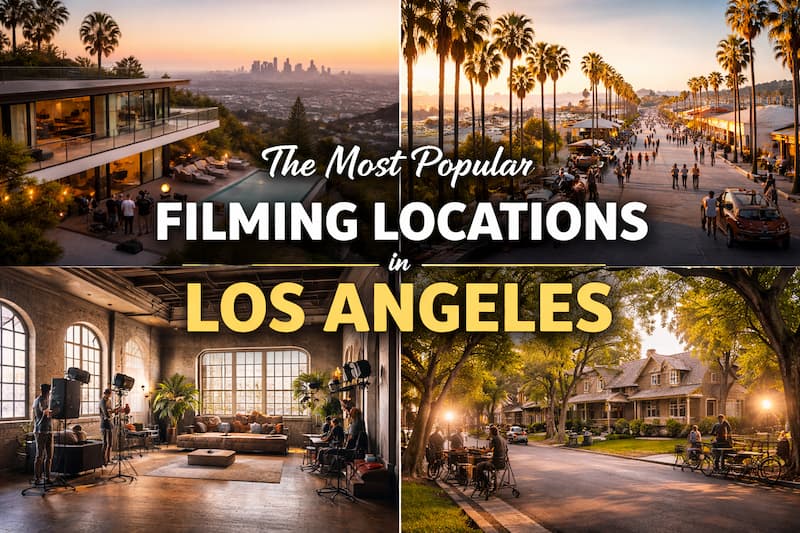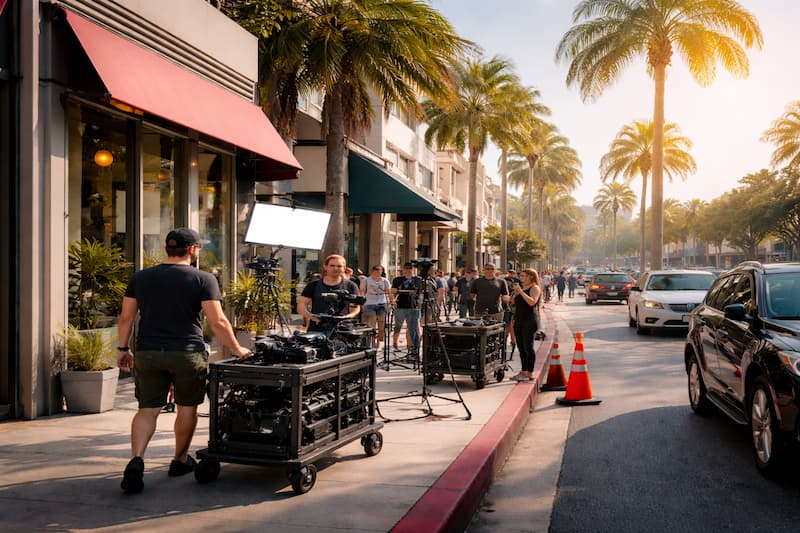
A venue is more than the building, backyard, rooftop, garden, studio, or private home where the event takes place. The surrounding neighborhood also shapes the experience. It affects how guests arrive, what the event feels like, how photos look, whether vendors can load in easily, and what kind of energy the gathering has before anyone walks through the door.
That is why two similar venues can feel completely different depending on where they are located. A hillside home in Hollywood does not create the same mood as a garden property in Pasadena, a beachside gathering in Malibu, or a polished private event space in Beverly Hills. The neighborhood becomes part of the story, and for many events and productions, that story matters.
The neighborhood sets expectations before guests arrive
Guests begin forming an impression before they reach the venue. The drive, the street, the views, the buildings, the parking experience, and the surrounding atmosphere all affect how the event feels. A private dinner in a quiet residential area feels different from a cocktail party near nightlife, a product launch near studios, or a casual celebration close to the coast.
For a central and flexible city feel, Los Angeles private event venues can work well for birthdays, dinners, social gatherings, and creative events where guests are coming from different parts of the region. For a more polished arrival experience, Beverly Hills private event venues can help a gathering feel more refined from the start.
Some areas bring energy, others bring calm
The best neighborhood depends on the mood of the event. A high-energy birthday, creator gathering, cocktail event, or brand party may benefit from a neighborhood that already feels social and active. A family celebration, garden party, baby shower, dinner, or intimate gathering may work better somewhere quieter and more residential.
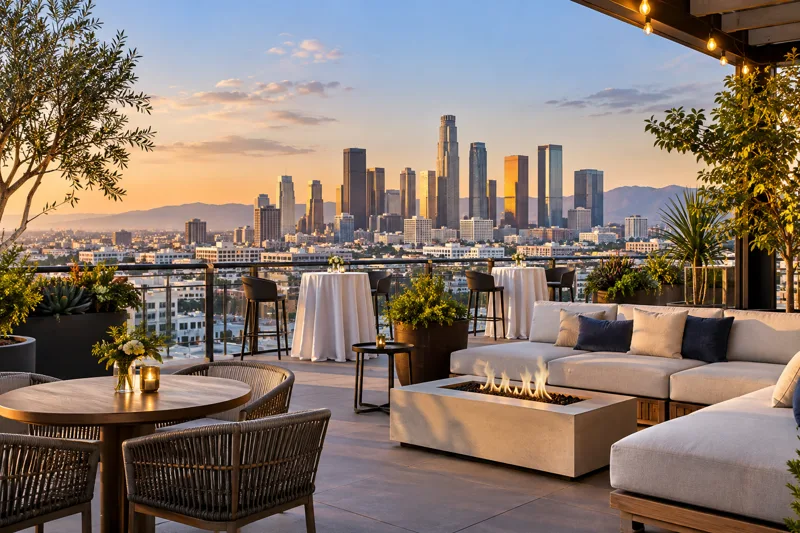
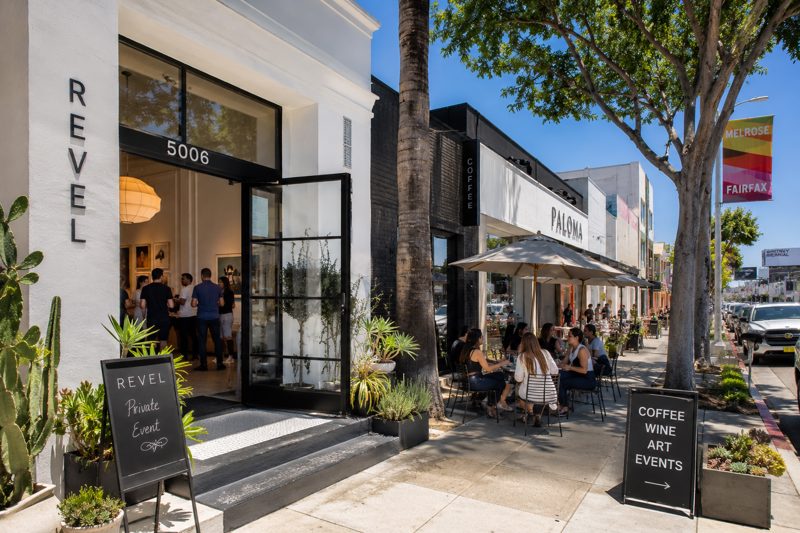
If the event needs style, nightlife energy, and a strong social atmosphere, West Hollywood event spaces are a natural fit. If the event needs entertainment context, skyline views, or a more production-driven setting, Hollywood event venues and filming locations can give the gathering a more recognizable Los Angeles identity.
For calmer private events, Pasadena private event venues can offer historic homes, gardens, tree-lined streets, and a more classic residential feel. That kind of setting can make a party feel relaxed, thoughtful, and less rushed.
Coastal neighborhoods change the whole feeling
A coastal setting can make an event feel brighter, more relaxed, and more memorable without needing much decoration. Ocean air, sunset light, patios, decks, and beach-adjacent streets can all become part of the experience. For daytime parties, wellness events, casual celebrations, and lifestyle-focused gatherings, the neighborhood itself can do a lot of the visual work.
Malibu outdoor event venues are especially useful when the event needs ocean views, natural light, privacy, or a more scenic backdrop. Santa Monica private event spaces can work well for polished coastal gatherings with easier Westside access. For a more creative beachside mood, Venice creative event spaces can give a party, shoot, or brand gathering a more casual visual edge.
Neighborhoods matter even more for productions
For photo shoots, film shoots, interviews, product content, and brand
Views, hillsides, and natural surroundings create atmosphere
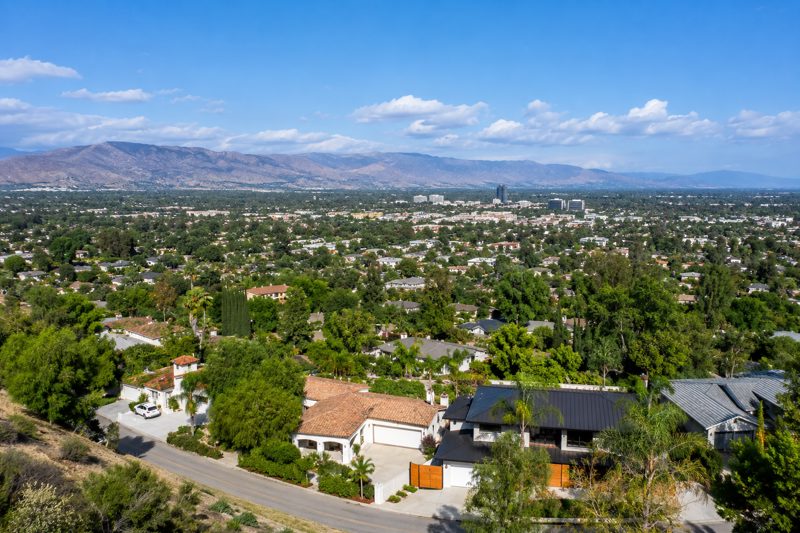
Some neighborhoods make the venue feel more private because of elevation, greenery, or distance from dense street activity. Hillside and canyon settings can help a private event feel separated from the everyday city, even when it is still close to Los Angeles.
Topanga canyon event venues can work well for gatherings that need a natural, creative, and less commercial atmosphere. Glendale hillside event spaces can offer access to both LA and the Valley while still giving some venues a more elevated residential feel. These areas are especially useful when the event benefits from views, outdoor areas, or a more private setting.
Residential areas can make events feel more personal
Not every event needs a busy central location. Some private gatherings feel better when the neighborhood is quieter, easier to navigate, and more residential. This can be especially true for birthdays, family events, baby showers, small weddings, dinner parties, and daytime celebrations where comfort matters more than nightlife energy.
For events that need more space and a calmer pace, Thousand Oaks private event homes, Westlake Village event venues, and Newbury Park private party venues can offer a more relaxed setting. These areas can be useful when the event depends on outdoor space, residential comfort, easier arrival, and a setting that feels less crowded.
The right area can make logistics easier
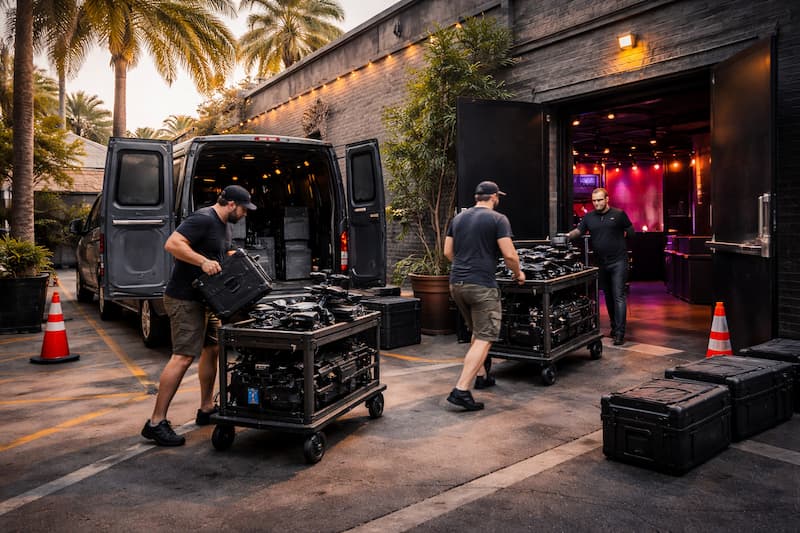
A beautiful venue can still be difficult if the surrounding area does not support the event. Parking, rideshare pickup, vendor arrival, driveway access, street width, noise rules, and neighborhood expectations all matter. The more moving parts an event has, the more important the location becomes.
Before booking, think about where guests will park, how vendors will unload, whether music will affect nearby homes, and whether the neighborhood supports the event size. A smaller event may work beautifully in a hillside home or garden property. A larger event with catering, rentals, staff, and music may need a location with easier access and more room for coordination.
Match the neighborhood to the event goal
Every neighborhood sends a signal. Beverly Hills can signal polish and luxury. West Hollywood can signal style and social energy. Hollywood can signal entertainment and production value. Malibu can signal scenery and privacy. Pasadena can signal architecture and classic residential charm. Culver City and Burbank can signal production access and creative work. Topanga can signal nature, privacy, and a more relaxed canyon atmosphere.
The best choice depends on what the event needs to accomplish. A private dinner, product launch, film shoot, birthday party, photo shoot, wellness gathering, and cocktail event may all require different locations, even if the guest count is similar. The right neighborhood helps the event feel intentional before the decorations, lighting, or music are added.
Final thought
When a neighborhood becomes part of the experience, the venue feels more connected to the event itself. Guests remember the arrival, the setting, the surrounding mood, the views, the streets, and the way the place made the gathering feel. For productions, the neighborhood can add context and visual identity. For private events, it can shape the energy of the entire day or night.
Choosing a rented venue is not only about capacity, price, or square footage. It is about matching the property and the surrounding area to the experience you want people to have. When the venue and neighborhood work together, the event feels more natural, more memorable, and easier to understand from the moment guests arrive.