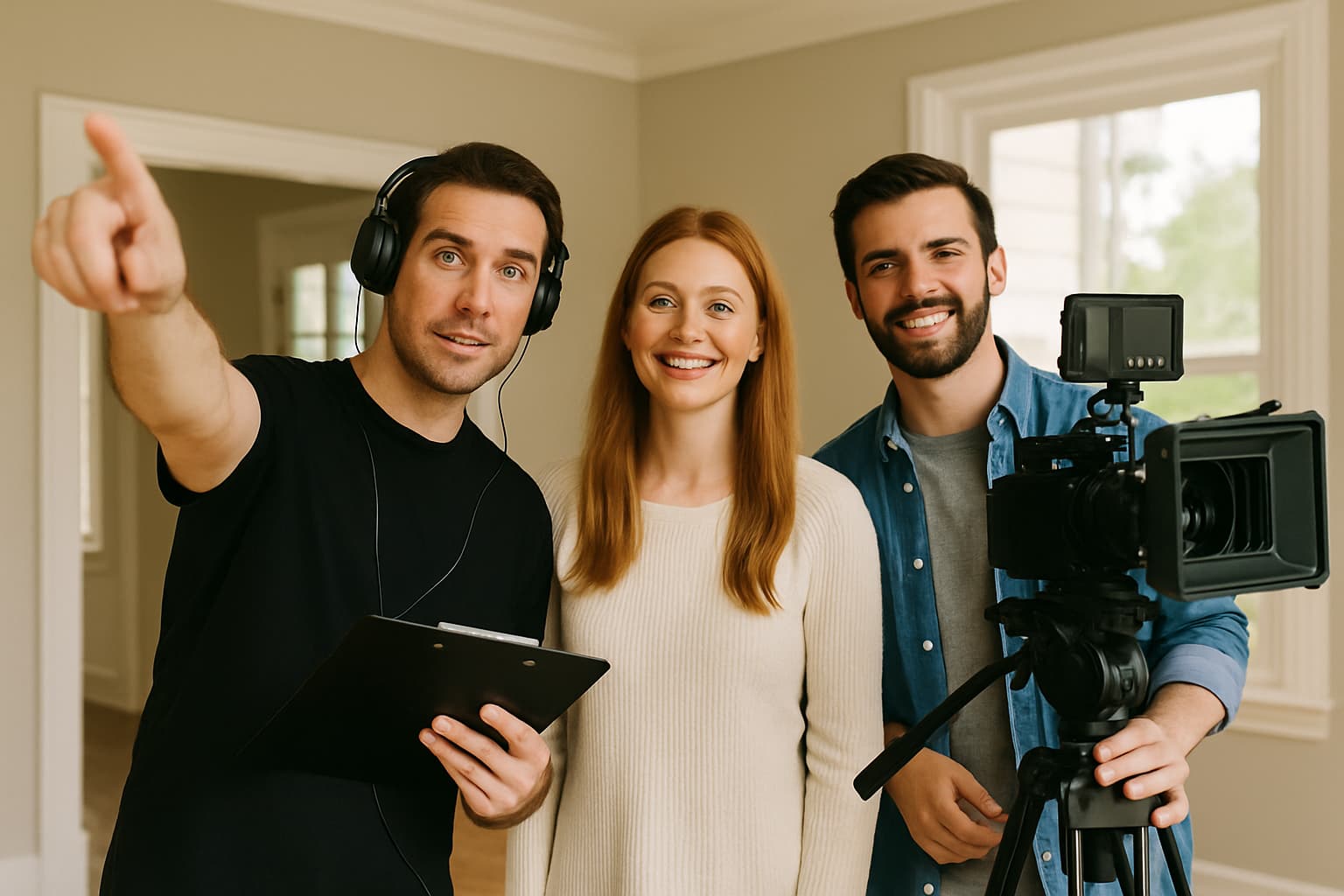
Directors are not just looking for a nice house. They are looking for a residential location that helps the story feel believable, gives the camera room to work, supports the crew, and does not create problems once production starts. A home can look beautiful in photos and still be difficult to film if the rooms are too tight, the sound is bad, the light changes too quickly, or the crew has no place to park and stage equipment.
Residential locations are valuable because they feel personal. A kitchen, living room, backyard, pool, driveway, bedroom, hallway, or front door can make a commercial, film scene, interview, music video, or photo shoot feel grounded in real life. For producers comparing Los Angeles homes for filming, the strongest properties usually combine visual character with practical production details.
Directors want a home that feels real on camera
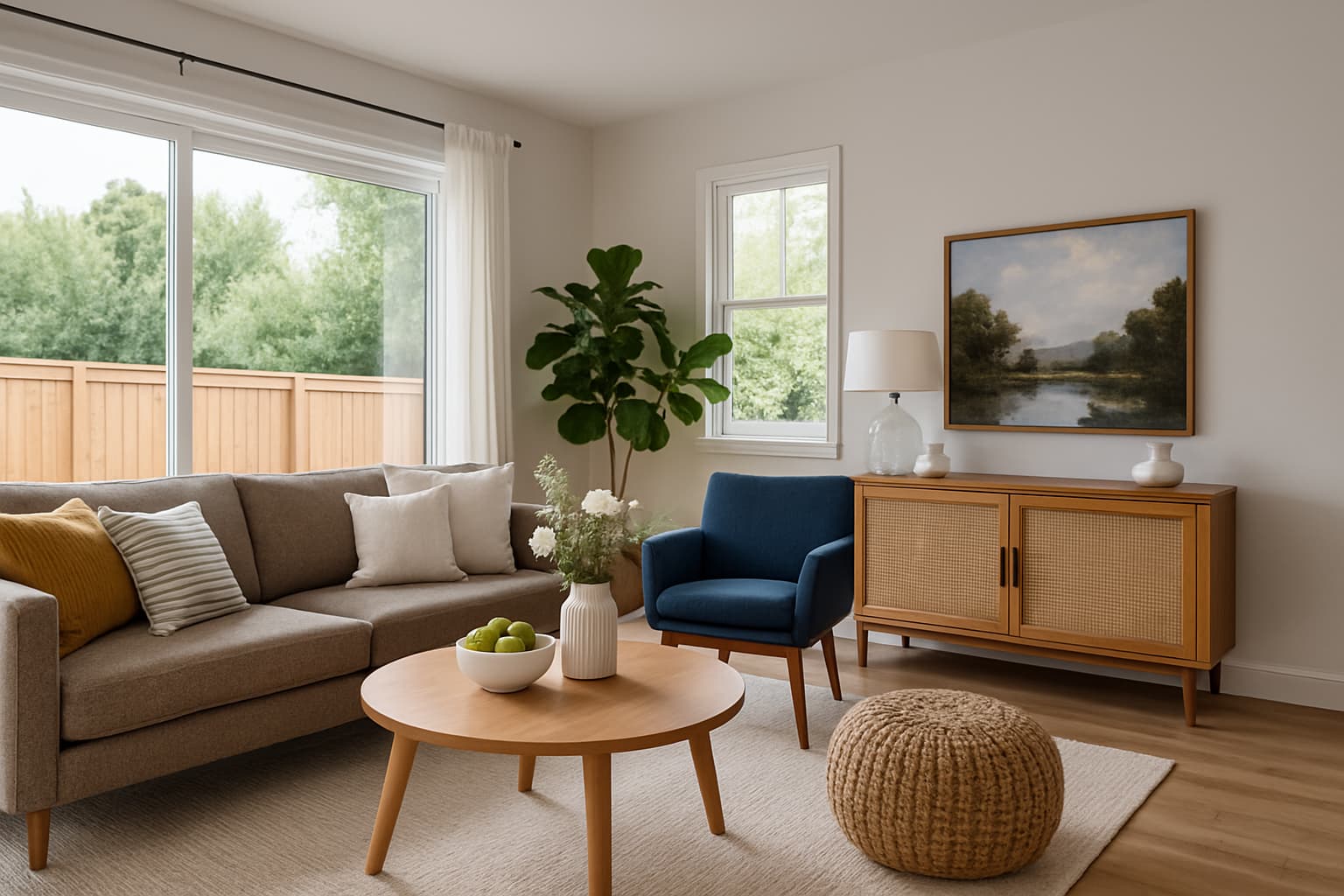
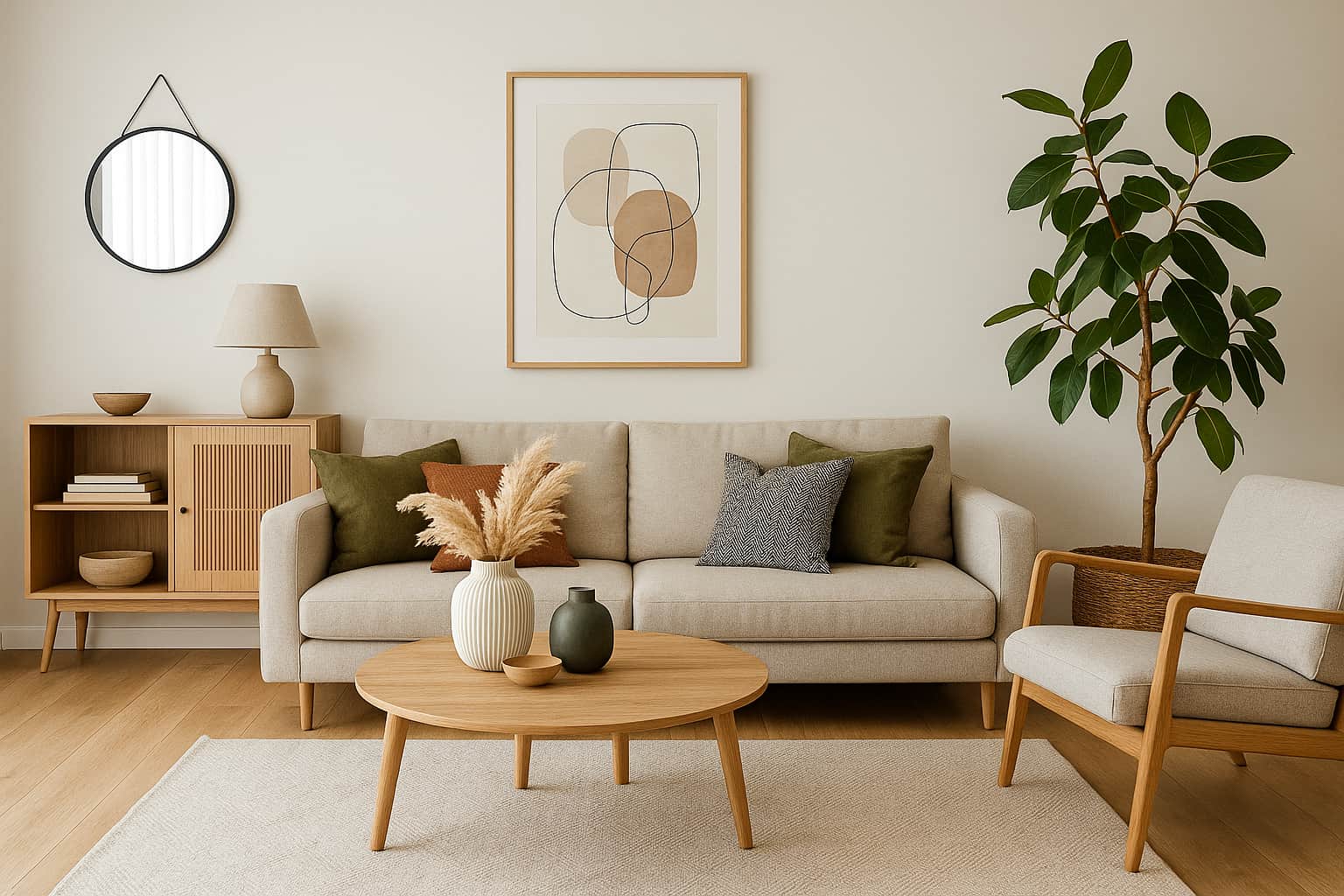
The best residential locations do not feel like empty showrooms. Directors often prefer homes with personality, texture, and believable details. A lived-in kitchen, a warm living room, a mature garden, a working backyard, or a bedroom with natural character can help the scene feel more honest.
That does not mean a home should look cluttered. It means the space should have a point of view. Clean modern homes, historic homes, hillside houses, suburban family homes, ranch properties, and older character houses can all work if the details support the story. A sterile room may look expensive, but it can also feel forgettable on camera.
Natural light is one of the biggest selling points
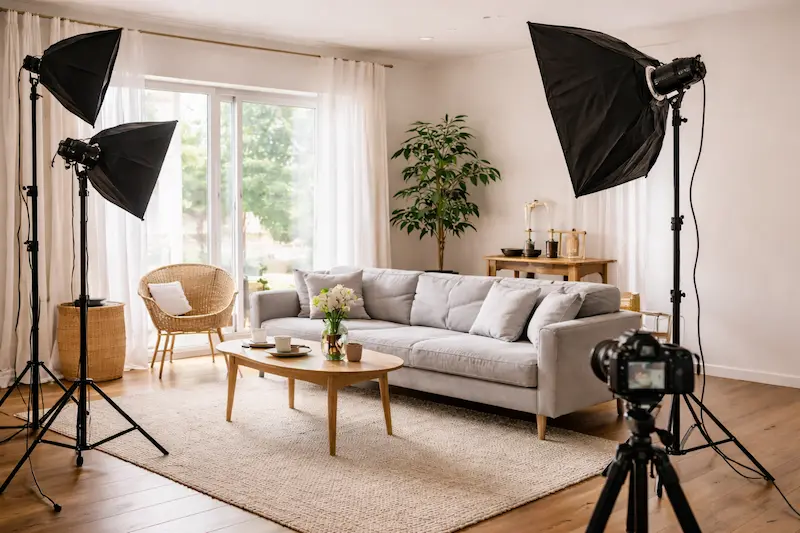
Directors and cinematographers pay close attention to light. They look at window direction, skylights, shade, reflective surfaces, outdoor exposure, and how the home changes throughout the day. Good natural light can save time, reduce equipment needs, and make the final image feel more polished.
For bright residential scenes, lifestyle content, beauty shoots, interviews, and social campaigns, Santa Monica house locations for photo shoots can work well when the project needs clean daylight and a softer coastal feel. Malibu homes for film and photo shoots can add ocean light, outdoor decks, and a more scenic backdrop when privacy and atmosphere matter.
Camera movement matters more than people expect
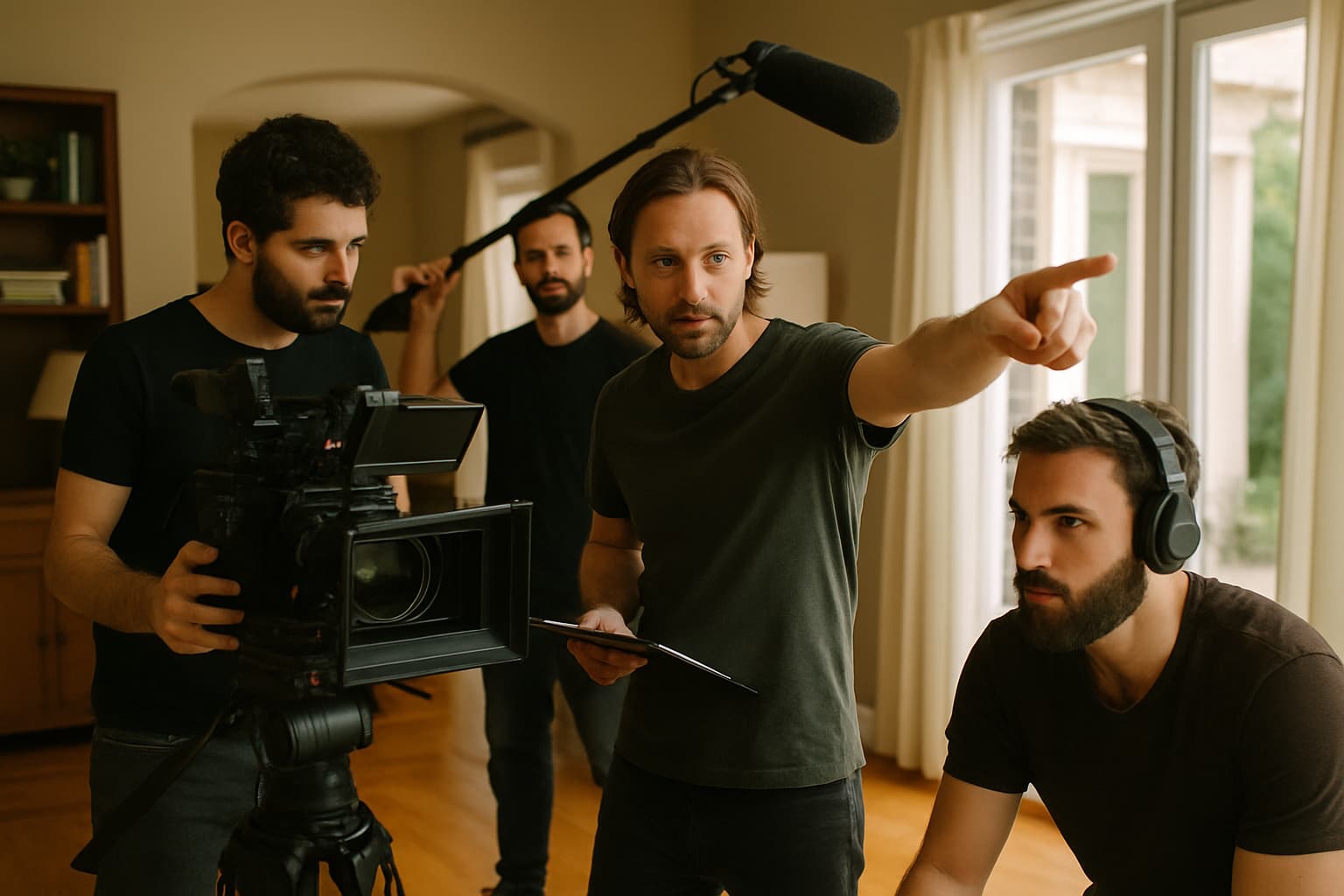
A room can look great in a listing photo but feel too tight once the camera, tripod, lights, crew, talent, and sound equipment are inside. Directors want enough depth for the shot to breathe. They look for wider rooms, useful hallways, open transitions, strong exterior angles, and spaces where the camera can move without hitting furniture or walls.
This is one reason larger homes, open floor plans, backyards, terraces, and pool areas can be so useful. A director may want a walking shot from the entry to the kitchen, a slow move through a living room, or a wide frame that shows the subject and the environment together. The more usable angles a home provides, the more valuable it becomes.
The neighborhood affects the shot
Residential locations are not judged only by the interior. The street, driveway, front yard, surrounding homes, views, trees, hillsides, and nearby sound all affect how the location works. Exterior shots may need to establish the home, show a car arrival, frame a front door, or create a sense of place before the scene moves inside.
For entertainment-driven visuals and hillside energy, Hollywood residential shoot locations can give a project a stronger LA identity. For luxury products, interviews, fashion, and polished lifestyle scenes, Beverly Hills homes for photoshoots can create a more upscale signal. For architecture, tree-lined streets, gardens, and older character homes, Pasadena filming homes can be a strong fit.
Quiet surroundings are a major advantage
Sound problems can ruin an otherwise strong location. Directors and producers listen for traffic, planes, construction, dogs, pool equipment, refrigerators, air conditioning, neighbors, and echo. A location that looks perfect may still be wrong for interviews or dialogue if audio cannot be controlled.
Quiet residential areas can be especially useful for commercials, branded videos, documentary interviews, corporate content, and narrative scenes. Glendale house locations for video shoots can offer residential options near central LA and the Valley, while Thousand Oaks homes for photo shoots can make sense when a project needs more room, calmer streets, and a less crowded production footprint.
Directors want multiple looks in one property
A strong residential location gives the production more than one usable setup. One home might provide a kitchen scene, living room interview, backyard moment, poolside frame, driveway shot, bedroom setup, and exterior establishing angle. That variety helps the crew capture more material without moving to another location.
For residential productions that need outdoor space, patios, gardens, pools, or a quieter suburban setting, Westlake Village homes for filming can be worth comparing. If the project needs a more relaxed canyon feeling, Topanga homes for music videos can provide texture, nature, privacy, and a less polished city mood.
Practical access can decide the booking
Production teams need to know where vehicles can park, where equipment can unload, how far gear must travel, whether stairs are involved, where talent can wait, and where crew members can eat or reset. These details may not be exciting, but they can determine whether a location is realistic.
For larger production days, areas with stronger access to vendors, studios, and crew routes can be helpful. Burbank locations for filming near studios are useful when the project needs production support and practical movement. Culver City locations for branded video shoots can work well for commercial content, interviews, product scenes, and agency-driven shoots that need a professional but flexible setting.
Clear house rules make directors more confident
Directors do not need a host to approve everything automatically, but they do need clarity. Can furniture be moved? Are shoes allowed inside? Is exterior filming okay? Can lights, stands, tripods, wardrobe racks, makeup tables, catering, props, pets, smoke, haze, or music be used? Are there quiet hours or neighbor concerns?
Clear rules make a residential location easier to trust. Productions move quickly, and uncertainty creates delays. A host who communicates well, explains limits early, and understands the basics of filming can make the home much more attractive.
What makes a residential location stand out
The homes that stand out are usually not perfect in every way. They are strong in a few important ways. They may have beautiful daylight, a large kitchen, an open living room, a pool deck, a quiet street, a character exterior, a dramatic view, a garden, a long driveway, or a layout that gives the camera room to move.
For hosts, the best approach is to describe what is actually useful. Mention natural light, parking, driveway access, quiet surroundings, outdoor areas, power access, room sizes, pool areas, views, furniture flexibility, and any production-friendly rules. Directors and producers are not only choosing a look. They are choosing a working environment.
Final thought
Directors want residential locations that feel believable, photograph well, and function under real production pressure. A good home gives the story a natural setting, gives the camera enough space, gives the crew practical access, and gives the production enough control to stay on schedule.
If a property has natural light, flexible rooms, quiet surroundings, useful outdoor space, clear rules, and easy access, it already has many of the qualities directors look for. The more clearly those strengths are presented, the easier it becomes for producers to understand why the home is worth booking.