Planning a private event in a rented venue gives you more personality and flexibility than a traditional banquet hall, but it also adds details that are easy to overlook. The best private events feel smooth because the venue, layout, schedule, vendors, and guest experience all work together before anyone arrives.
Whether you are planning a birthday, dinner party, engagement celebration, baby shower, company gathering, product event, or creative celebration, the goal is not just to find a beautiful space. The goal is to choose a venue that matches the event type, supports the logistics, and gives guests a clear, comfortable experience from arrival to cleanup.
For hosts and planners comparing private event spaces, the process becomes easier when you think through the event in stages: mood, layout, guest flow, vendor access, parking, sound, timing, comfort, and responsibilities.
Start with the experience, not the guest count
Most people begin by estimating attendance. Guest count matters, but it should not be the first decision. A better starting point is the experience you want guests to have.
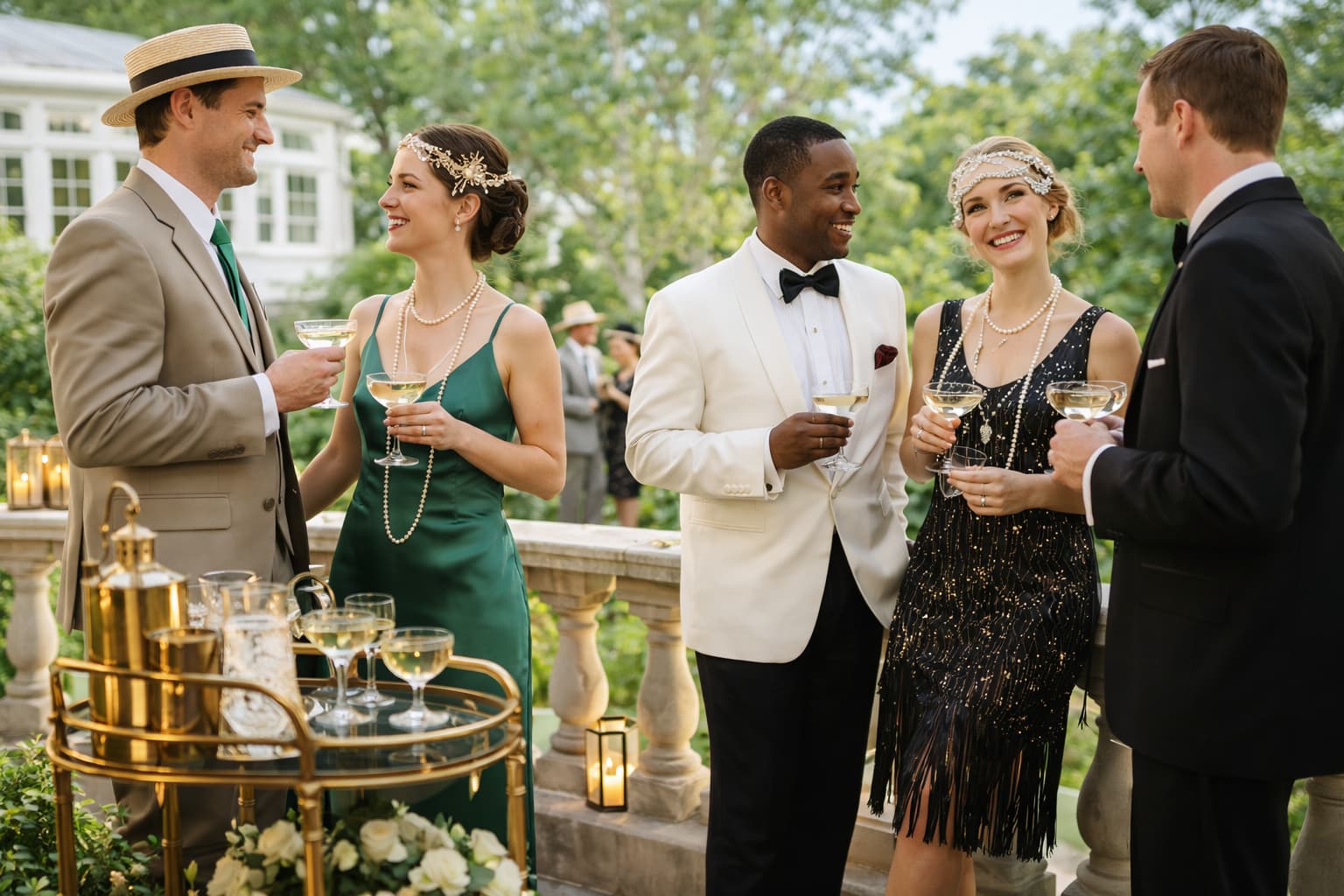
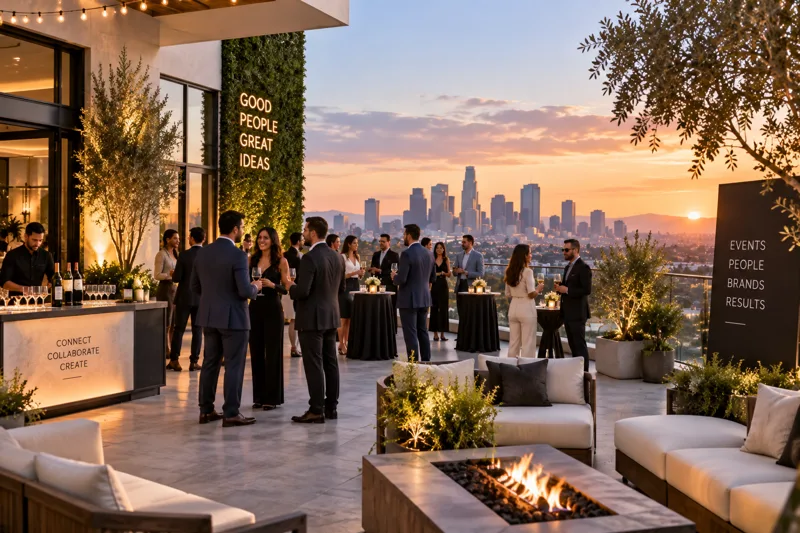
A relaxed outdoor birthday has different needs than a formal seated dinner. A cocktail-style networking event needs different flow than a dance-heavy celebration. A product launch, private dinner, or creative gathering may need stronger lighting, photo areas, or vendor staging. Once the event style is clear, the guest count becomes easier to apply.
A space that feels intimate for 40 people may feel empty with 15 or crowded with 70. Before booking, ask whether the venue supports the type of party you are actually planning, not just the number of people on the invite list.
Choose a venue that fits the event type
A great-looking space can still be the wrong venue if it does not support your plan. Before booking, confirm the basics: parking, restrooms, power, lighting, noise rules, guest capacity, vendor access, setup time, cleanup time, and whether outdoor areas are usable during your booking window.
For a central city gathering, Los Angeles private event venues can work well when guests are coming from different parts of the area. For a more polished celebration, Beverly Hills private event venues may fit dinners, luxury birthdays, launches, and upscale social events. If the event leans stylish, social, or nightlife-adjacent, West Hollywood event spaces can support cocktail parties, creator gatherings, and brand events.
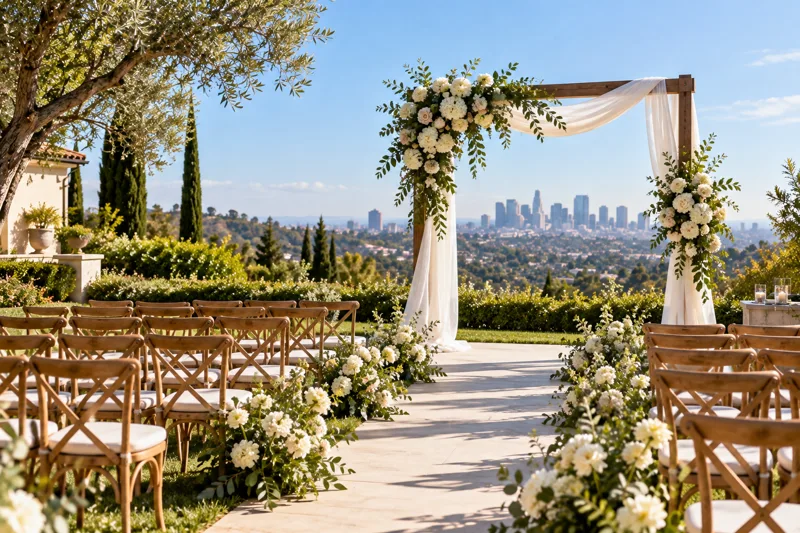
For outdoor gatherings, garden parties, and residential-style celebrations, Pasadena private event venues can offer a calmer, more architectural setting. For ocean air, sunset views, and scenic outdoor events, Malibu event venues or Santa Monica private event spaces may be a better match.
For Orange County private events, the right city depends on the event style. Irvine private event venues can make sense for polished gatherings, meetings, and guests coming from multiple OC cities. San Juan Capistrano private event venues are better when the plan needs gardens, historic texture, or a quieter South County setting. Fullerton private event venues can be a practical fit for birthdays, dinners, reunions, and North OC gatherings where restaurants, halls, and local access matter.
For hosts who care more about access and practicality than a coastal or nightlife setting, Downey private event venues can be a useful southeast LA option. It is especially worth comparing for banquet-style events, family celebrations, private dining, milestone parties, and gatherings where parking, freeway access, and guest convenience matter more than a destination-style backdrop.
Think through guest arrival before anything else
The guest experience starts before the party begins. Parking, rideshare drop-off, signage, entry instructions, gate codes, and walking paths all shape how smooth the event feels. If people arrive confused, the event starts with friction.
For rented homes and private venues, make sure guests know exactly where to park, where to enter, and who to contact if they arrive early or late. If the venue is in a residential neighborhood, avoid parking plans that block driveways or create tension with neighbors.
This is especially important for private homes, hillside properties, and outdoor venues. Areas like Thousand Oaks private event homes, Westlake Village event venues, and Newbury Park private party venues can offer more residential space and a relaxed setting, but the arrival plan still needs to be clear.
Build the layout around movement
A successful private event needs more than a nice room. It needs flow. Guests should be able to enter, find drinks, get food, sit down, take photos, use the restroom, and move between conversations without crowding one area.
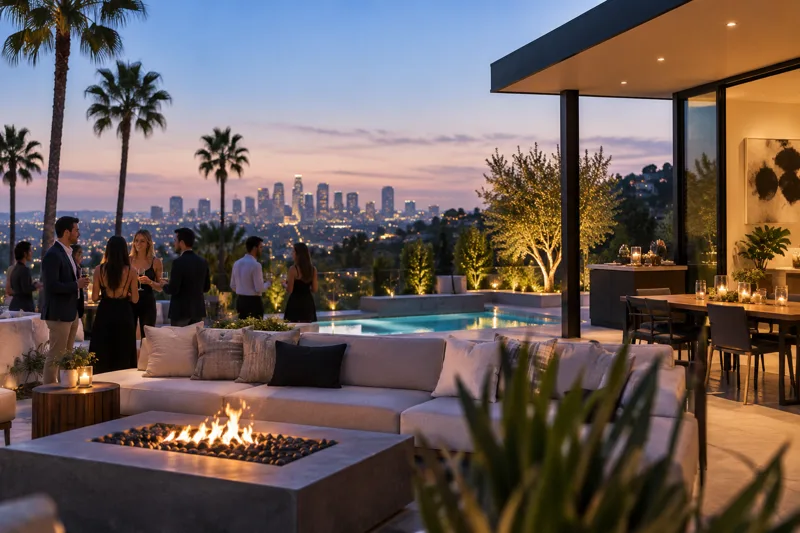
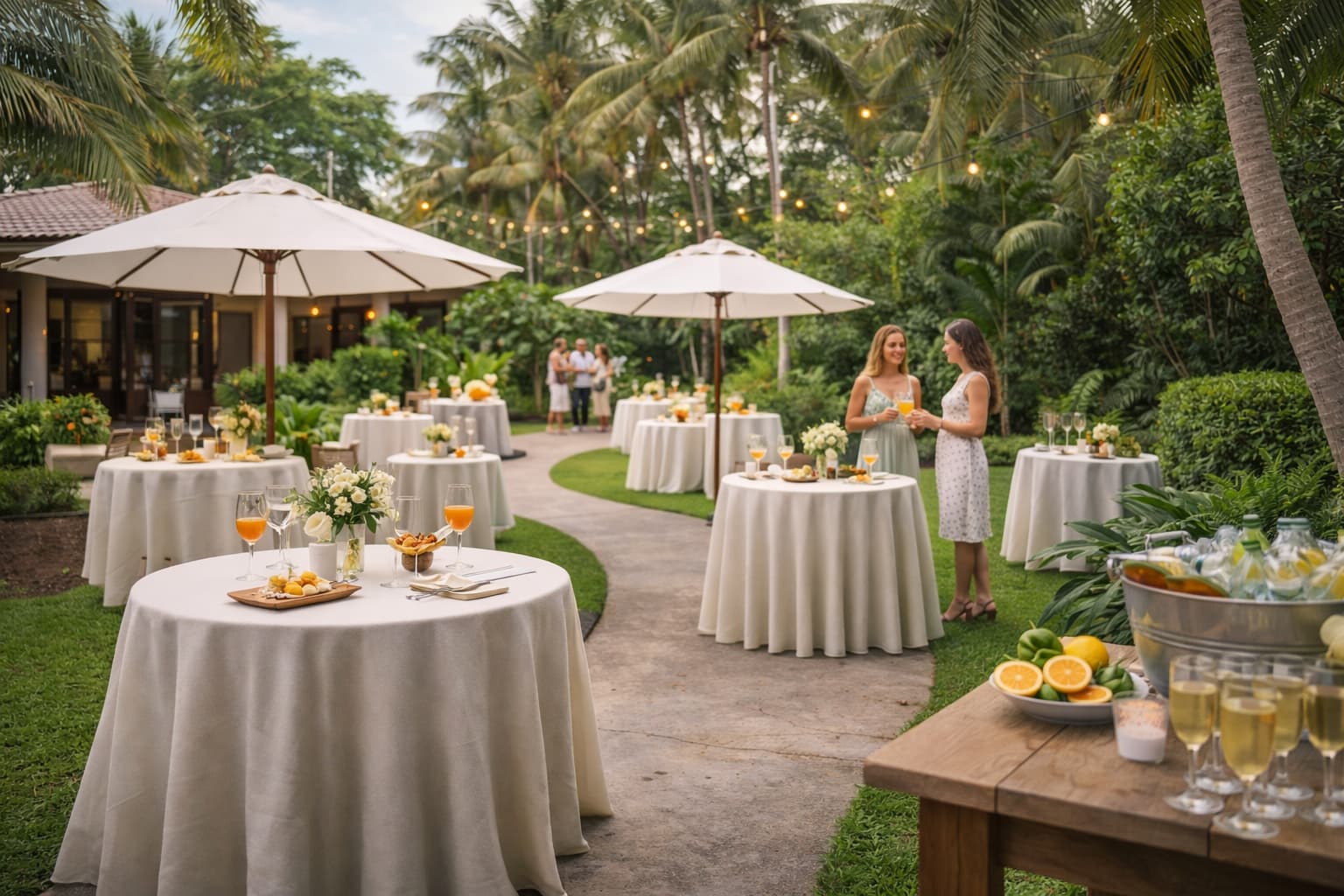
Think in zones. One area can serve as the welcome point. Another can hold food. Another can become a bar or drink station. Seating can be arranged in small clusters instead of one stiff row. If there is an outdoor area, terrace, patio, or pool deck, decide how it will be used before the event begins.
A good layout prevents bottlenecks. It also makes the party feel larger, more comfortable, and more natural.
Confirm vendor access early
If you are bringing catering, rentals, a DJ, a photographer, a bartender, a florist, or production support, vendor access needs to be discussed before booking. Ask where vendors can unload, when they can arrive, where they can park, and whether they need to use stairs, elevators, side entrances, or narrow driveways.
This is one of the biggest differences between traditional event halls and private venues. A rented home, garden, rooftop, studio, or unique event space may have more character, but it may also require more coordination.
For events that involve media, filming, or heavier setup, Culver City event venues and production spaces and Burbank production-friendly event venues can be useful areas to compare because they often make more sense for teams that need practical access, crew movement, and vendor coordination.
Build setup and cleanup into the timeline
Many event problems come from underestimating time. Guests only see the party window, but the real work happens before and after.
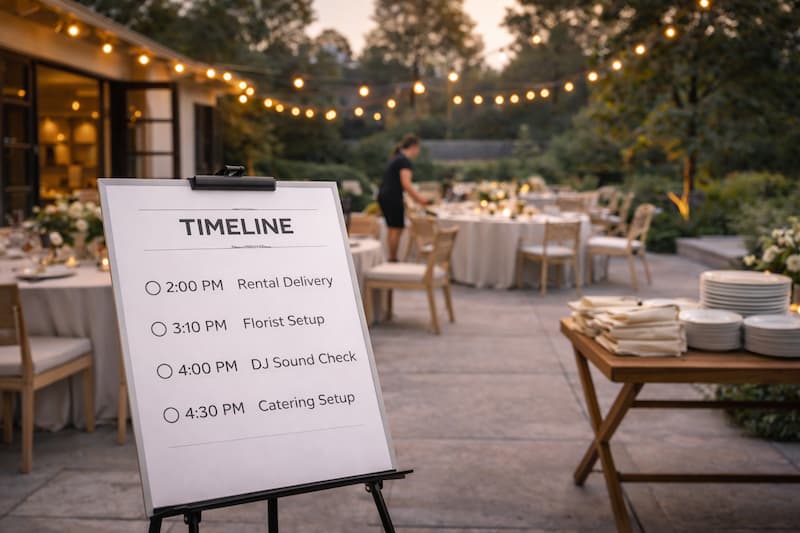
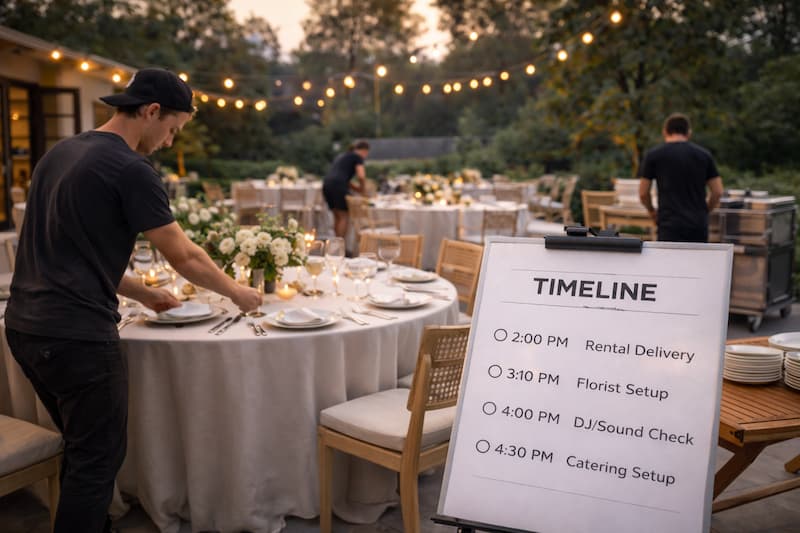
Your timeline should include vendor arrival, furniture setup, food prep, sound check, lighting check, guest arrival, main event moments, breakdown, trash removal, and final walkthrough. If the host requires setup and cleanup to happen inside the booking window, plan accordingly. If setup time is separate, confirm that clearly.
A simple timeline can prevent last-minute stress. It also helps vendors know when they are expected, where they should go, and what needs to happen before guests arrive.
Clarify responsibilities before the event day
Private venues work best when everyone knows who is responsible for what. Decide who handles trash, furniture resets, decorations, catering cleanup, restroom supplies, music, parking instructions, and guest questions.
For larger events, assign one person as the main point of contact. That person should know the schedule, vendor arrival times, house rules, quiet hours, and emergency contact information. The host should not have to answer every small question during the event.
A short written summary can help. Include the event timeline, vendor names, arrival times, parking plan, cleanup plan, and any rules that matter.
Respect sound, neighbors, and end times
Private venues often sit near homes, apartments, or mixed-use areas. That makes sound and timing important. Confirm amplified music rules, quiet hours, outdoor speaker limits, and the required end time before booking.
A party can feel lively without becoming difficult for the neighborhood. Place speakers thoughtfully, lower music later in the evening, avoid loud late-night load-out, and make sure rideshares or guests are not blocking nearby homes.
For a more natural or scenic event setting, Topanga outdoor event venues can create a relaxed canyon atmosphere, while Glendale private event spaces may offer hillside or residential options with access to both LA and the Valley. The setting can be beautiful, but the neighborhood plan still matters.
Plan for comfort, not just style
Good events are remembered for how they feel. Shade, heat, airflow, seating, lighting, restroom access, and walking paths all matter. A beautiful space can become uncomfortable if guests are too hot, too cold, standing too long, or unsure where to go.
For daytime events, think about shade, water, and seating. For evening events, think about pathway lighting, warmth, and whether guests can safely move around the property. For outdoor events, have a plan for wind, temperature, and food timing.
The more comfortable the venue feels, the longer guests stay and the easier the event becomes.
Do a final walkthrough before guests arrive
Before the event begins, walk the space like a guest. Start at the parking or drop-off area. Follow the entry path. Find the food, drinks, seating, restrooms, photo area, trash cans, and main gathering space. If anything feels confusing, fix it before guests arrive.
This final walkthrough is also the time to check lighting, music volume, signage, table placement, vendor setup, and cleanup supplies. Small issues are much easier to solve before the event starts.
Final thought
A rented venue can make a private event feel more memorable, personal, and flexible than a standard event hall. The key is choosing a space that fits the event type and planning the details that guests may never notice directly but will feel throughout the experience.
When the venue, layout, timeline, vendors, parking, music, comfort, and cleanup plan all work together, the event feels smoother for everyone. Guests feel more relaxed, vendors know what to do, hosts avoid last-minute stress, and the rented venue has a better chance of becoming the setting for a successful private event.