Scouting a location for a film shoot or photo shoot is not just about finding a place that looks good. Producers are looking for a space that can support the creative idea, the schedule, the crew, the equipment, the talent, and the practical demands of the day. A beautiful home, studio, rooftop, garden, warehouse, or outdoor property can still be the wrong choice if it creates problems with parking, sound, power, access, or timing.
The best location scouts think about the final image and the working day at the same time. They ask whether the space fits the concept, whether it can handle the crew, and whether the neighborhood supports the production. For teams comparing LA filming location rentals, the strongest choices usually combine visual character with practical reliability.
Start with the creative brief
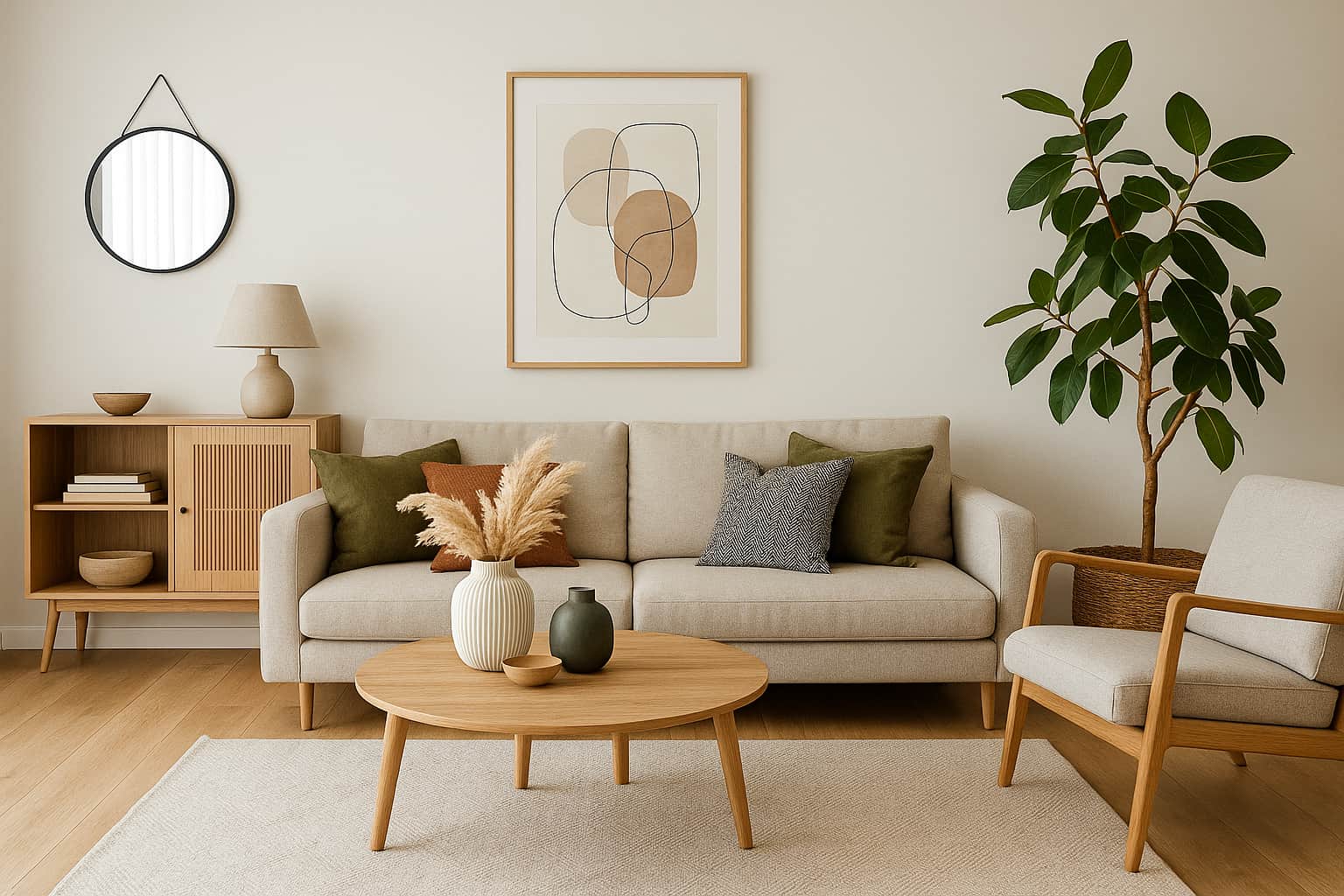
A producer usually begins with the creative need. The project may require a modern kitchen, a hillside pool, a bright living room, a moody bedroom, a rooftop view, a quiet interview setup, a clean product backdrop, or a full home that can play several scenes. The location has to support the story before it supports anything else.
For lifestyle campaigns, commercials, music videos, interviews, and social content, the location should help define the tone quickly. A polished residential setting, a textured urban space, a coastal home, or a canyon property can all change the feeling of the final shoot. This is why producers often compare several areas before choosing a single address.
Match the neighborhood to the look
The neighborhood can be as important as the property. Exterior shots, arrival scenes, natural light, street noise, parking, and the feeling of the surrounding area all affect the shoot. A location in the wrong neighborhood may create the wrong visual signal, even if the interior looks right.
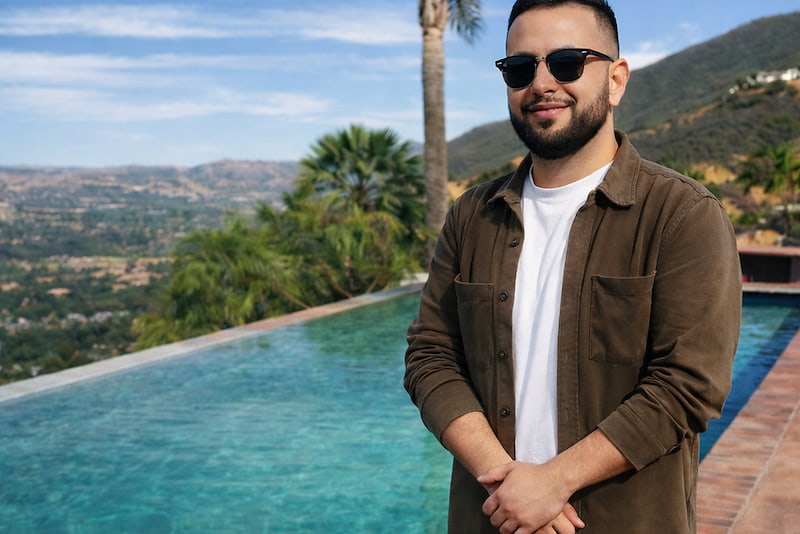
For skyline views, hillside streets, and classic LA atmosphere, Hollywood video shoot locations can be useful. For a more polished residential look, Beverly Hills mansion shoot locations can work well for luxury products, beauty campaigns, interviews, and fashion content. If the project needs style, nightlife energy, or creator-friendly settings, West Hollywood brand shoot locations may fit better.
Look for multiple usable setups in one place
A strong production location gives the crew more than one look without a company move. One home might offer an entry shot, a kitchen scene, a living room interview, a poolside setup, a balcony angle, and an exterior establishing shot. One commercial space might offer a storefront, office area, lounge, conference room, and street-facing exterior.
This matters because moving a crew takes time. Every new location adds load-in, parking, reset, communication, and risk. A location with multiple usable angles can make the whole day feel more efficient, especially for smaller teams that need to capture a lot of content in a limited window.
Prioritize light before decoration
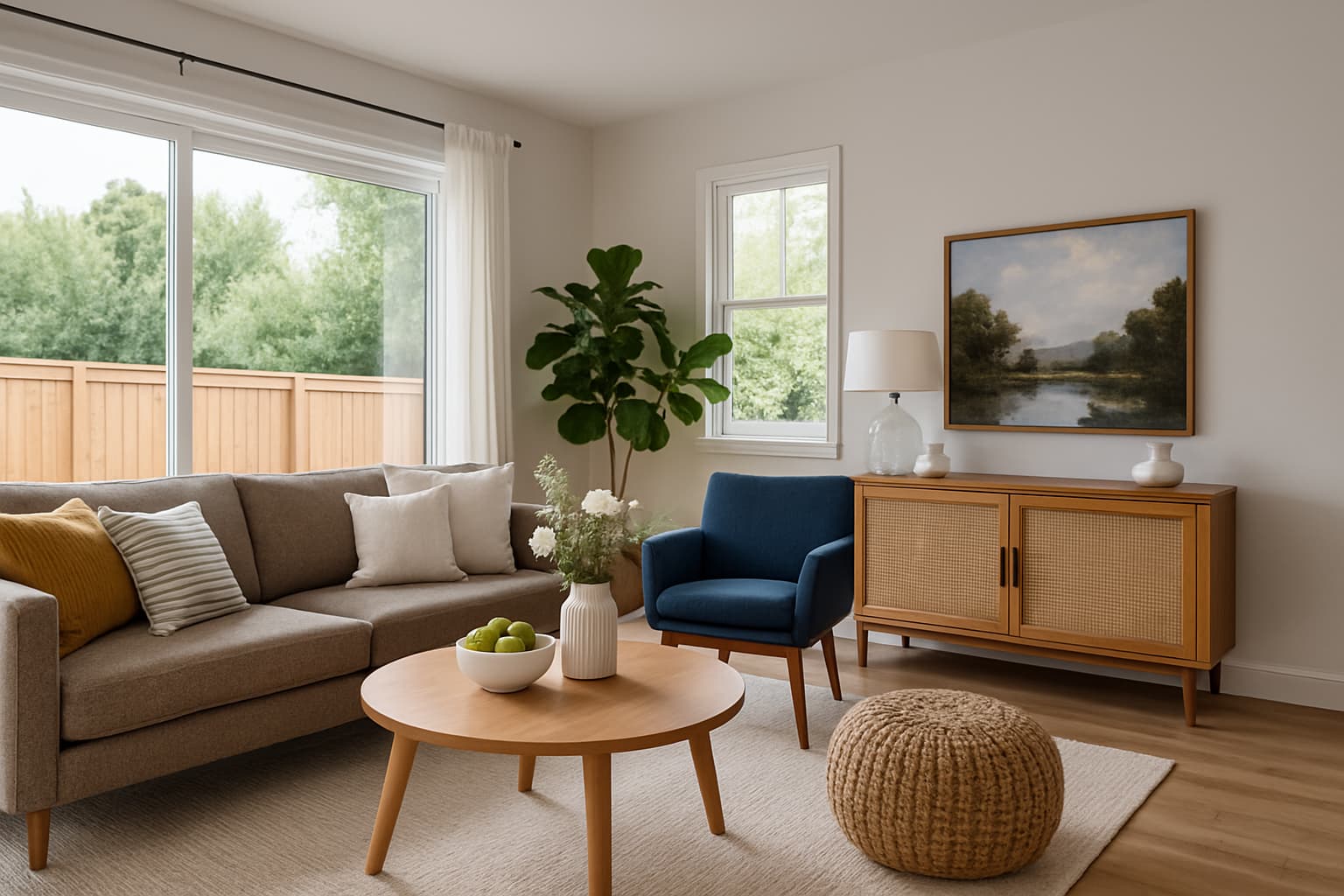
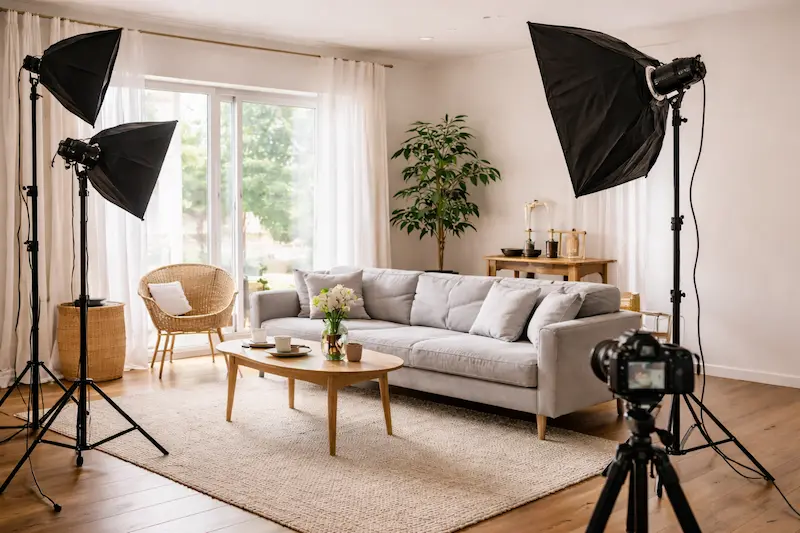
Natural light can make or break a shoot. Producers look at window direction, shade, harsh sun, reflective surfaces, outdoor exposure, and how the light changes through the day. A beautiful room may only work for one hour if the sun is too direct. A simple room may work all day if it has soft, controllable light.
Coastal and open-air locations can be especially useful when the creative direction needs bright, clean visuals. Santa Monica photo shoot venues can work well for wellness, fitness, family, food, and lifestyle content. Venice content shoot locations often bring a more casual, creative, and social feel. For larger scenery, stronger privacy, and dramatic ocean light, Malibu beach house locations for filming can give a project a more elevated coastal look.
Check access before falling in love with the space
Access is one of the first practical questions. Producers need to know where equipment can unload, whether vehicles can park nearby, whether stairs or elevators are involved, how far gear has to travel, and whether the crew can move without blocking guests, neighbors, or public access.
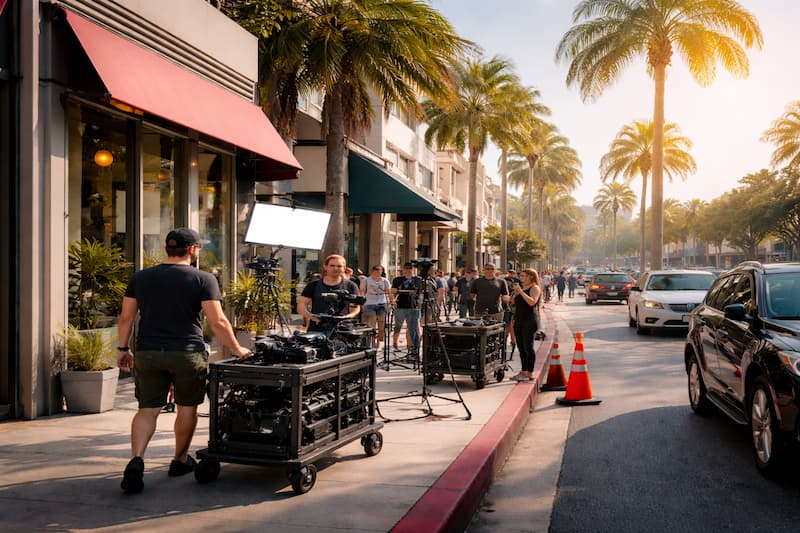
A location with a great look but poor access can slow down the whole shoot. Narrow driveways, steep streets, limited parking, fragile interiors, and unclear entry paths all create friction. This is why production teams often prefer areas that are close to vendors, talent, studios, and crew routes when the shoot has a larger footprint.
Use production-friendly areas when logistics matter
Some shoots need a beautiful space. Others need a beautiful space that also behaves like a working production site. That means practical parking, vendor access, crew holding, equipment staging, bathrooms, power, and easy communication between departments.
Culver City studio rental alternatives can be useful for branded content, interviews, product shoots, showroom scenes, and creative agency work. production locations near Burbank studios make sense when the shoot depends on studio access, rental houses, crew availability, vendors, or talent moving through the entertainment corridor.
Listen for sound problems
Sound is easy to overlook during a visual scout. A location can look perfect but fail for interviews, dialogue, or audio-sensitive work. Producers listen for traffic, airplanes, construction, pool equipment, neighbors, dogs, wind, echoes, refrigerators, HVAC systems, and anything else that may interrupt recording.
For photo shoots, sound may not matter much. For interviews, branded films, short scenes, and documentary work, it matters a lot. The production team should know whether the shoot needs clean audio before booking the space.
Evaluate residential character carefully
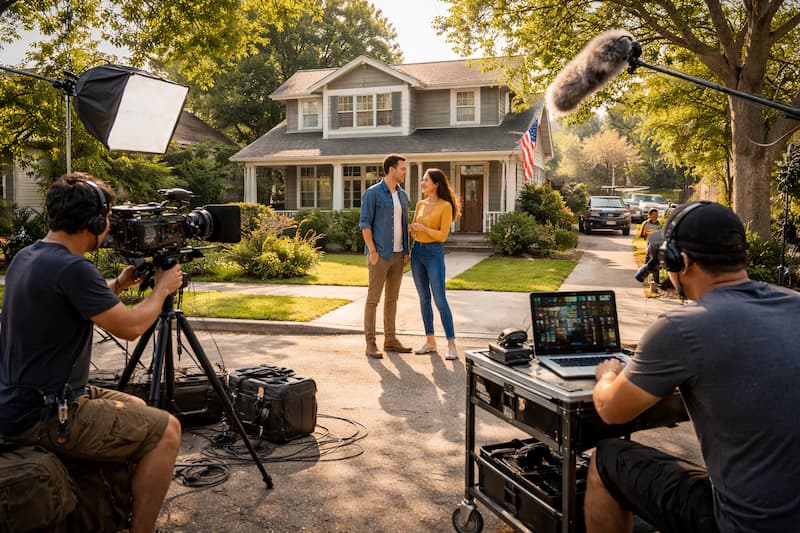
Private homes are popular because they feel real. They can offer kitchens, bedrooms, living rooms, yards, pools, gardens, driveways, and natural lifestyle settings that would be expensive or awkward to build on a stage. But homes also require more attention to rules, surfaces, neighbors, parking, and room protection.
Pasadena house filming locations are useful when a project needs architecture, trees, gardens, historic detail, or a warm residential feeling. Glendale residential filming locations can offer hillside homes, practical access, and useful proximity to both central LA and the Valley. For larger homes, outdoor space, and calmer residential settings, Thousand Oaks film-friendly homes may be worth considering.
Know when nature and privacy matter most
Some projects need distance from the city feeling. Wellness campaigns, music videos, fashion editorials, retreat-style content, interviews, and certain narrative scenes may benefit from greenery, canyon roads, ridgelines, outdoor decks, trees, and natural quiet.
Topanga outdoor shoot locations can work well when the project needs privacy, texture, and a less commercial atmosphere. The setting can feel relaxed and creative, but crews should still plan carefully around parking, road width, sound, and equipment movement.
Ask the right questions before booking
Before committing to a location, producers should confirm the basics in writing. How many people are allowed on site? Where can vehicles park? When can the crew arrive? Is setup included in the booking time? Is amplified sound allowed? Are there quiet hours? Can furniture be moved? Are there restrictions on lights, generators, food, shoes, smoke, haze, pets, or exterior filming?
The answers matter because production days move quickly. Clear rules protect the host, the crew, the equipment, and the schedule. A smooth shoot usually starts with a location that communicates clearly before anyone arrives.
Create a backup plan
Even a carefully scouted location can run into problems. Weather can change. A neighbor can start construction. Wind can affect audio. Light can shift. A room may look smaller once equipment arrives. A parking plan may need to change. Producers reduce risk by having backup angles, alternate setups, and a realistic schedule.
The best location is not the one that looks perfect in one photo. It is the one that gives the production enough options to adapt if the day changes.
Final thought
Producers scout locations by balancing creative value with practical control. The space needs to look right, but it also needs to function. The neighborhood, access, sound, light, parking, layout, and host rules all matter because they affect what happens once the crew arrives.
For film shoots, photo shoots, interviews, commercials, music videos, and branded content, the strongest location is the one that supports both the image and the working day. When the creative look and production logistics line up, the shoot feels smoother, the crew moves faster, and the final content has a better chance of looking intentional.